Within reach · never been
I think of Meghalaya, without exaggeration, as the rain — a high green plateau in the far northeast where it falls harder and longer than almost anywhere on earth, where whole years are measured in metres of water, where the clouds do not pass over the hills so much as live in them. The name means, more or less, the abode of clouds. I have spent my whole life in the same country, a few states and a couple of days’ travel away, and I have never been. The northeast of India is the part of my own land that is, to me, as foreign as anywhere abroad: a hand of green states curling east past Bangladesh, beautiful and far and quietly ignored by the rest of us. I have read about Meghalaya and watched it and never once set foot in it. Of all my unreached places it may be the strangest to have missed, because it is mine and I do not know it at all.
It reaches me, like the truly distant places, mostly through documentaries and photographs: the rain ones, the green ones, the ones that marvel at the bridges. Between them they have built me a country of permanent cloud and impossible green, of water coming off the edges of the land in long white threads, of villages so clean they seem scrubbed, of a wetness so total it has become a way of life rather than a complaint. I come from a wet country too, but a flat hot wet, a monsoon that arrives and leaves. A place where the rain is not a season but a climate, a near-constant companionable grey, is something I would like to stand inside and feel on my own skin.
The living bridges of Meghalaya
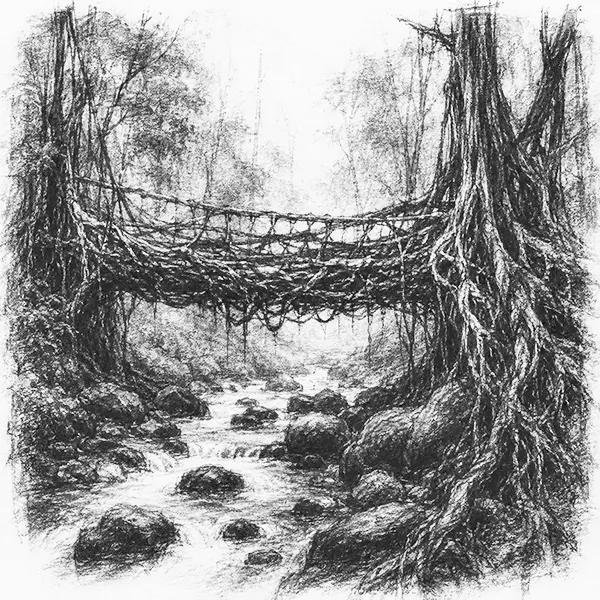
The thing everyone knows of it, if they know one thing, is the bridges. In all that wet, ordinary wooden bridges rot away in a season, so generations ago the people there worked out something patient and astonishing. They train the living roots of certain trees across the streams, year after year, decade after decade, weaving and guiding them until the roots themselves become the bridge: alive, still growing, getting stronger rather than weaker with age, some of them older than anyone can remember and able to carry a crowd. A bridge that is not built but grown, that a person plants for grandchildren they will never meet to cross. I find that almost unbearably moving, a feat of pure patience, the opposite of everything hurried. I would like to stand on one, in the rain, and feel it hold.
Water off the edge of the land
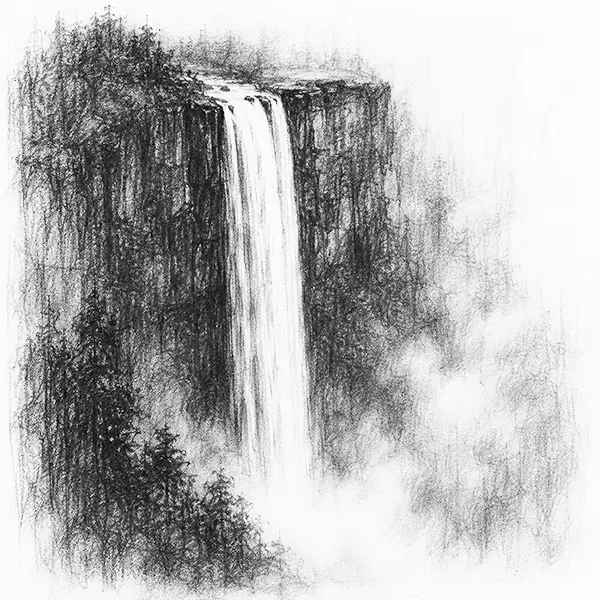
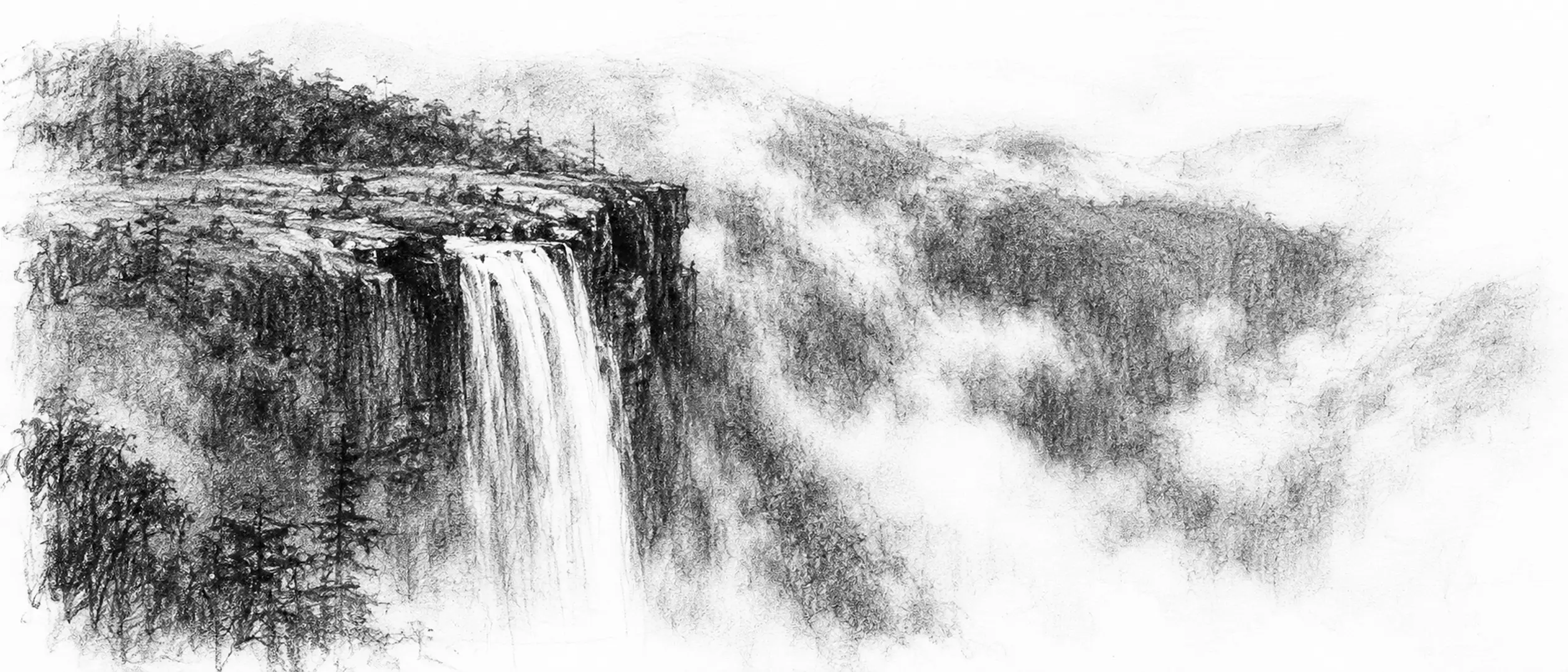
And the waterfalls, which are simply everywhere, because the plateau ends in cliffs and all that rain has to go somewhere — great white falls dropping clean off the edge of the land into the gorges below, some of the tallest anywhere, half-lost in their own spray and the cloud that hangs permanently in the valleys. In the dry months they thin to threads; in the rains they thunder. I have stood near waterfalls before, the tidy famous ones with railings and crowds. The thought of a land so wet that it is hung all over with them, casually, as ordinary features of the view, is the kind of excess I would travel a long way to stand under.
Inside the weather, not under it
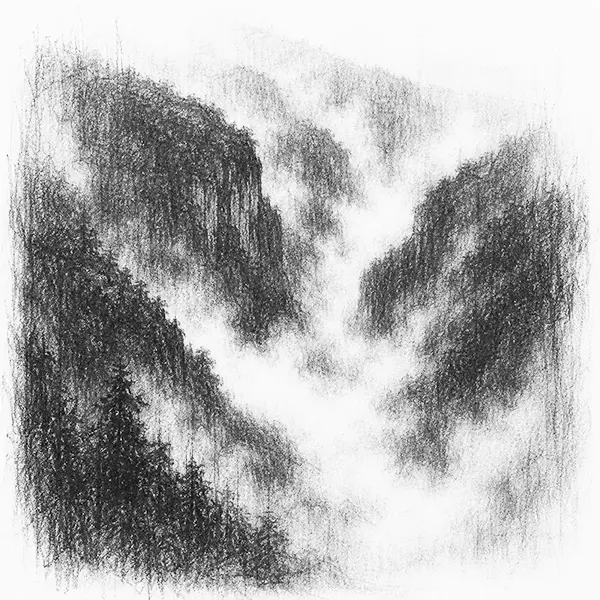
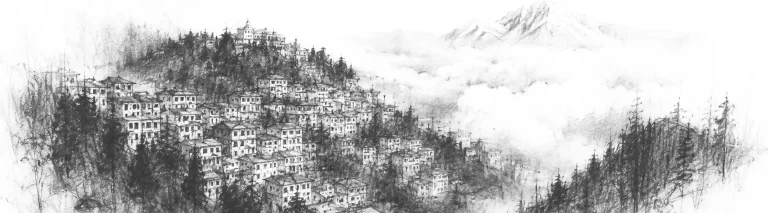
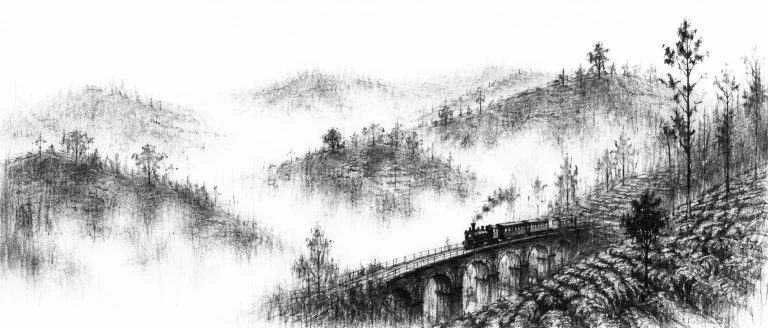
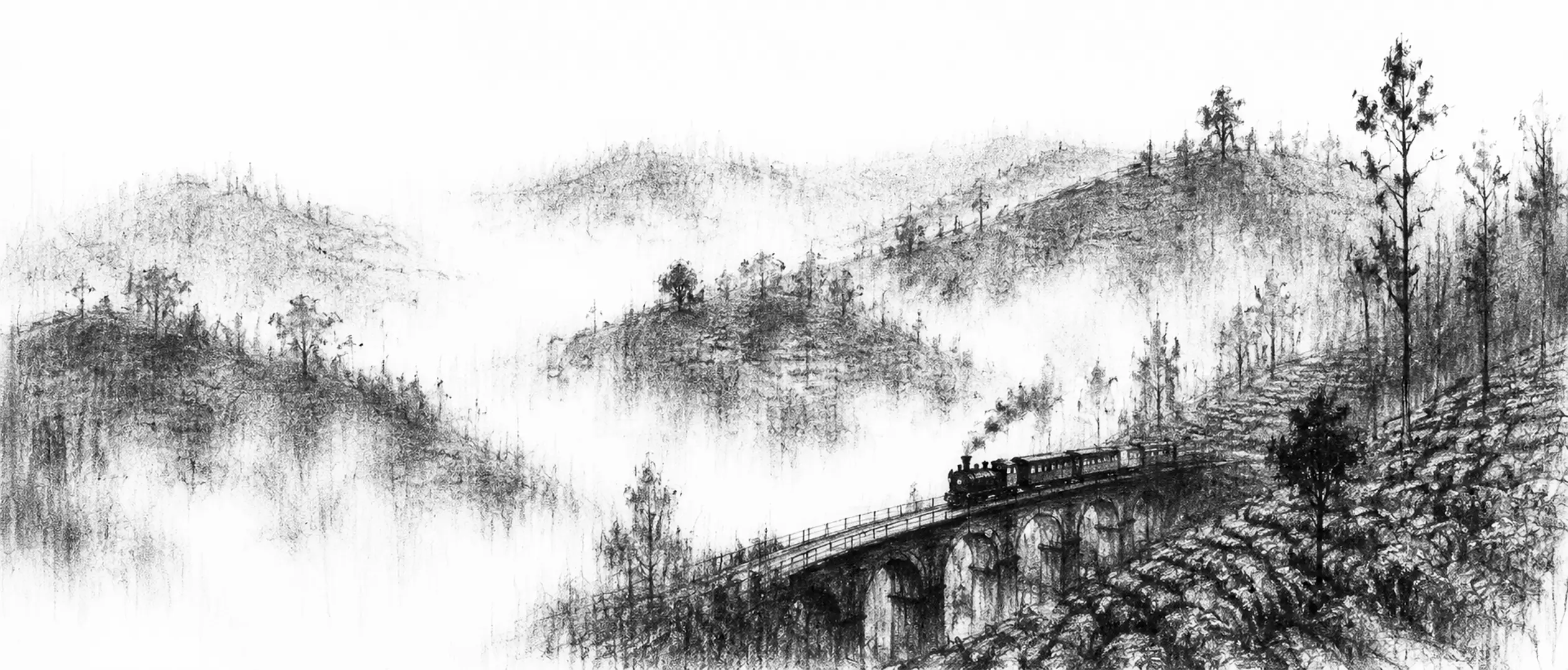
It is the cloud itself I keep returning to — the way, in the photographs, it does not sit politely above the land but pours through it, filling the gorges, sliding up the valleys, swallowing a hillside and giving it back, so that the green appears and disappears as you watch and you are never quite sure how far you can see. To live among cloud, inside the weather rather than under it, in a green that is forever dissolving and re-forming, seems to me a wholly different relationship with the sky than the one I have had, baking under a clear hard one most of my life. I would like to sit on a plateau edge and watch the cloud come up the gorge toward me and not mind being swallowed.
The swept villages in the rain
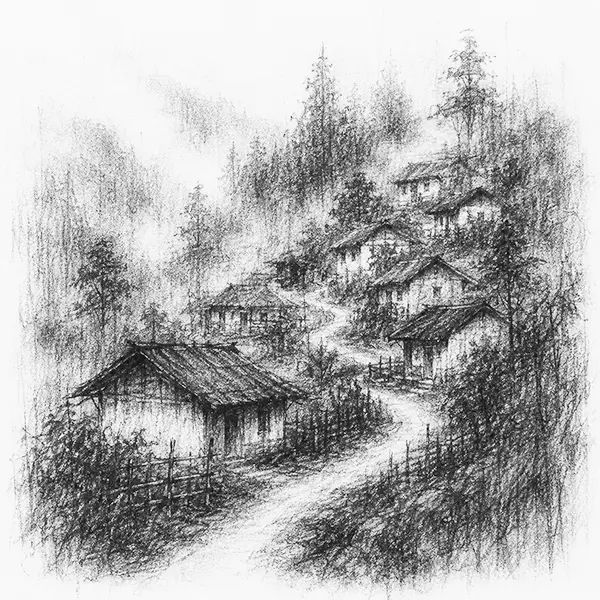
And the villages, which the documentaries always pause on with a kind of wonder — small, neat, swept, set among the green and the rain, famous for a cleanliness that shames the rest of the country, paths and gardens and gathered houses, quiet places where the loudest thing is the water. I have lived in crowded, noisy, gloriously untidy places all my life, and I do not entirely trust my own longing for the opposite — but I feel it anyway, the pull of a small green ordered place in the rain, and I would like to walk through one slowly and see whether the calm is real or only the camera’s.
Meghalaya – A country at peace with the rain
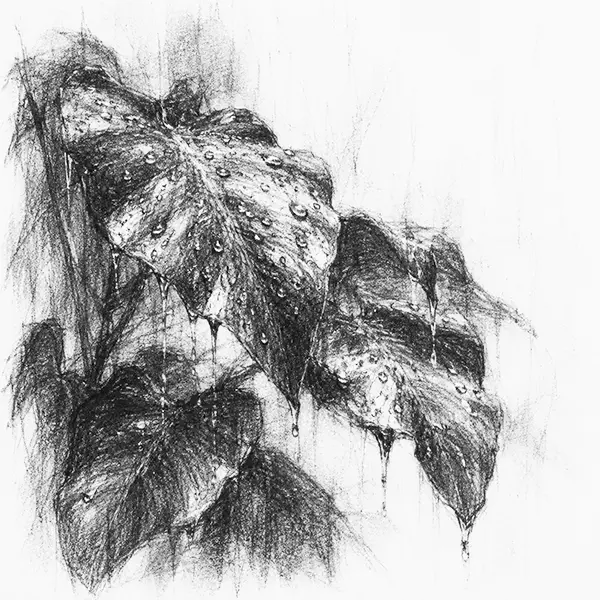
The rain, again — because there is no escaping it and no wish to; it is the whole character of the place, the thing that grows the bridges and feeds the falls and fills the gorges and washes the villages, falling on the broad green leaves, beading and running, a sound that everyone who has been describes as constant and oddly peaceful, a place where you simply accept being wet and get on with your beautiful sodden life. I have spent my life dreading rain or waiting for it. The idea of a country that made its peace with water so completely that the water became its glory rather than its trial is, the more I think about it, the heart of why I want to go.
Meghalaya’s pools, clear as bottle glass
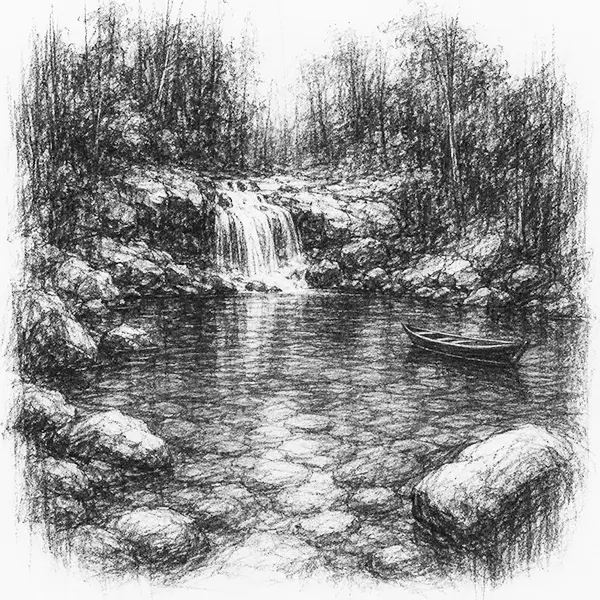
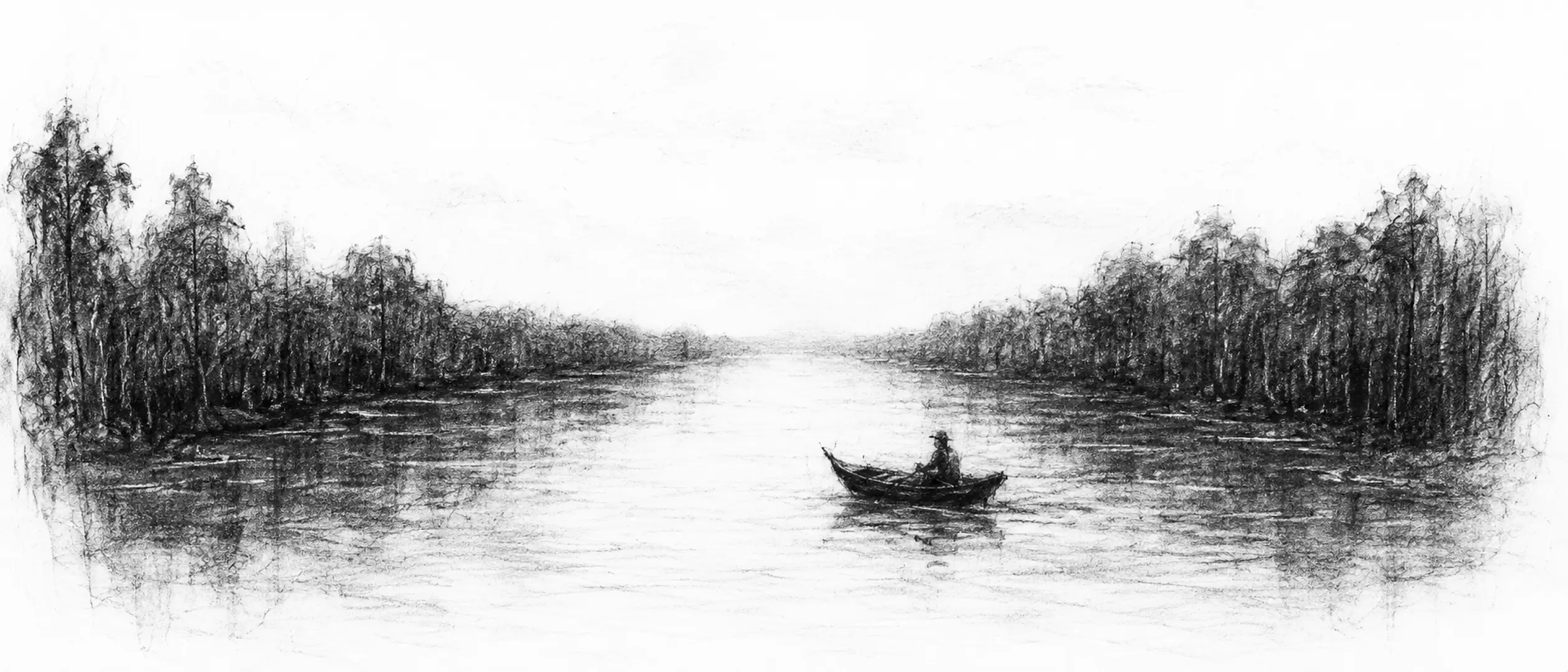
And in the bottom of the gorges, where all that water collects, the rivers run impossibly clear — deep pools the colour of bottle glass over pale smooth rock, so clean that the boats on them look to be floating on air in the photographs, the kind of water you cannot quite believe is real until you are told, repeatedly, that it is. I have swum in warm brown rivers and grey seas. The thought of lowering myself into a cold clear green pool at the foot of a waterfall, with the cloud overhead and the root bridge upstream, is a very specific small heaven I have carried around for years.
So Meghalaya sits in the most familiar and most foreign corner of this whole collection — my own country, my own passport, no ocean and no border, a couple of days’ travel and a willingness I have somehow never summoned; and at the end of it, a green wet world I do not know at all, hung with waterfalls and stitched together with living roots. There is no excuse here that will survive examination — not distance, not cost, not nerve, only the long quiet northeast-shaped gap in a man who calls himself well-travelled in his own land and has never once gone to its rainiest, greenest, most patient corner. One of these years I should go and stand on a bridge made of roots, in the abode of clouds, and finally let the rain that grew it fall on me too. I have never been abroad, and I have not even reached the wettest, greenest corner of the country I do have.
“Meghalaya: hill state in north-east India, its name meaning ‘the abode of clouds’; among the wettest inhabited places on earth, known for its deep gorges, its waterfalls, and the living bridges grown from the roots of rubber-fig trees.”
— from the one-volume encyclopedia I have had since school

Leave a Reply