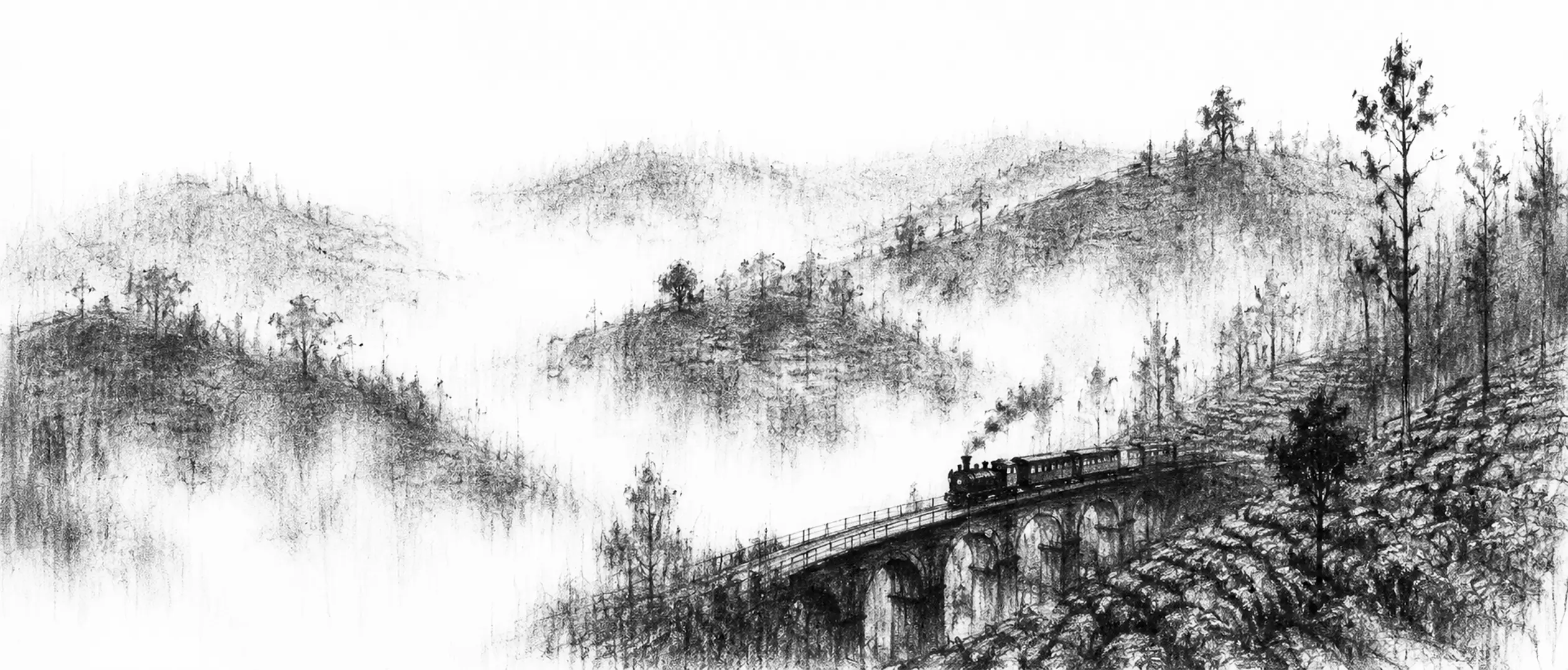
Within reach · never been
I know the South. Not all of it, but enough of it to be embarrassed by this particular gap. I have been down to the hot coasts and the temple towns and the big easy cities of the southern plains; I have eaten the food and ridden the trains and stood in the heat of half a dozen places down there and called it travelling. And the whole time, somewhere just above me, a few hours up a winding road from places I was actually standing in, there were the blue hills: the cool green tea country of the Nilgiris, Coonoor and its neighbours. I never once went up. I circled the foot of those hills for years. I never climbed them. It is the most ordinary kind of failure, and somehow the one that nags.
Coonoor is a different flavour of longing from the others in this collection. It is not the ache of the unreachable, the city across an ocean; it is the smaller, sillier ache of the nearly. I have been so close. I have been in the plains city that is the gateway to those hills, looked up at the blue wall of them on the horizon, and then, for one dull reason or another (time, a schedule, a train going the other way), turned around and gone home. To have never been to a far place is a clean kind of not-having. To have been repeatedly within sight of a near one and still missed it is something more annoying, and more mine.
The little train of Coonoor, going slowly uphill
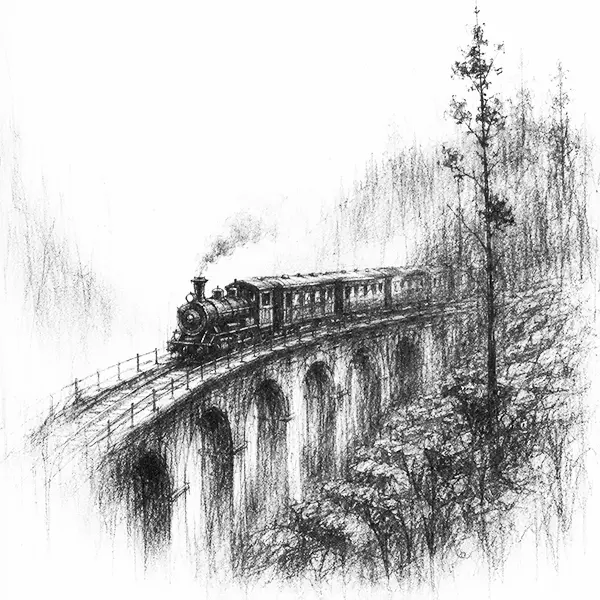
The train is the thing I have wanted longest. A small mountain railway climbs up into those hills on a track so steep it needs a toothed rail to haul itself along. A little blue-and-cream train takes hours to crawl up what a bus does in far less, winding round the shoulders of the slopes, over stone viaducts, in and out of tunnels cut through the rock, through tea gardens and patches of forest, the whole valley dropping away below. I have seen it in films and documentaries since I was a boy — it is the kind of train that films love, slow and toy-like and full of light. I have ridden every sort of Indian train except, somehow, this one, the one I would most like to ride, going nowhere I urgently need to be, slowly, uphill.
Hillsides combed into rows
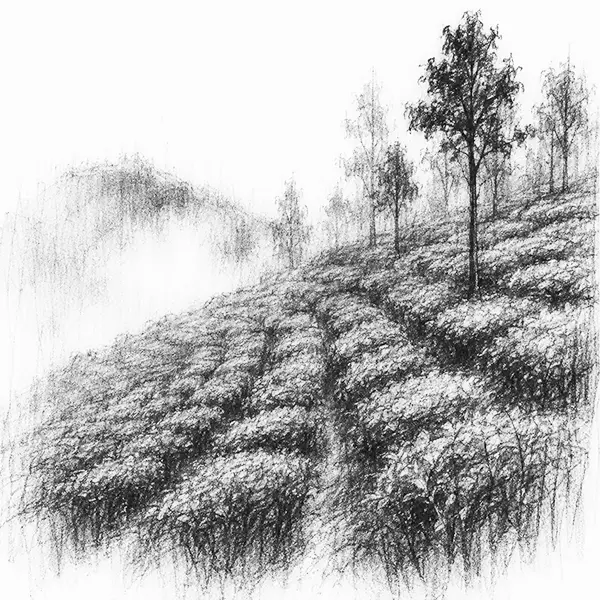
And the tea, which up there is the whole landscape and not just a drink. Whole hillsides clipped into long even rows of waist-high bushes, so neat and so continuous that the slopes look upholstered, combed, a deep textured green running up and over every contour to the skyline. It is a different tea country from the one in the far north that I also dream about — softer, bluer, more crowded with green — but the same essential strangeness: that an everyday thing in my cup all my life comes off particular slopes I have never set foot on, that I have drunk the South’s hills for forty years and never stood on them.
The hands behind the cup
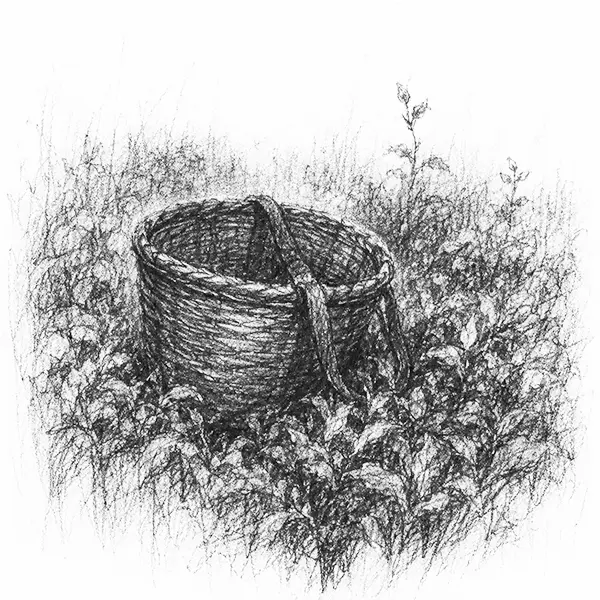
The people who actually make the place possible are in every photograph and never the point of one: the tea-pickers, mostly women, moving slowly along the rows with tall baskets on their backs held by a strap across the forehead, working the top leaves with both hands, often half-lost in the mist that comes and goes across the slopes all day. I notice them the way you notice the thing a photograph is not trying to show you. They are the reason the cup exists, doing patient, bone-hard work in a place I find romantic precisely because I have never had to labour in it. I would at least like to see it honestly, up close, the cool beautiful hills and the cold wet work both.
Bungalows going soft in the fog
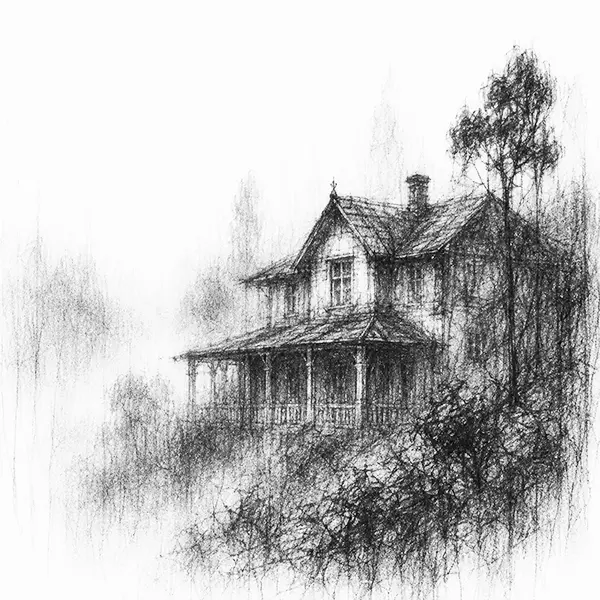
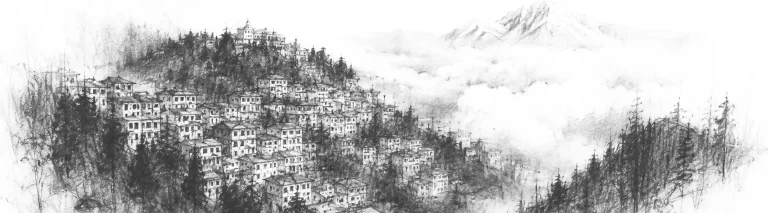
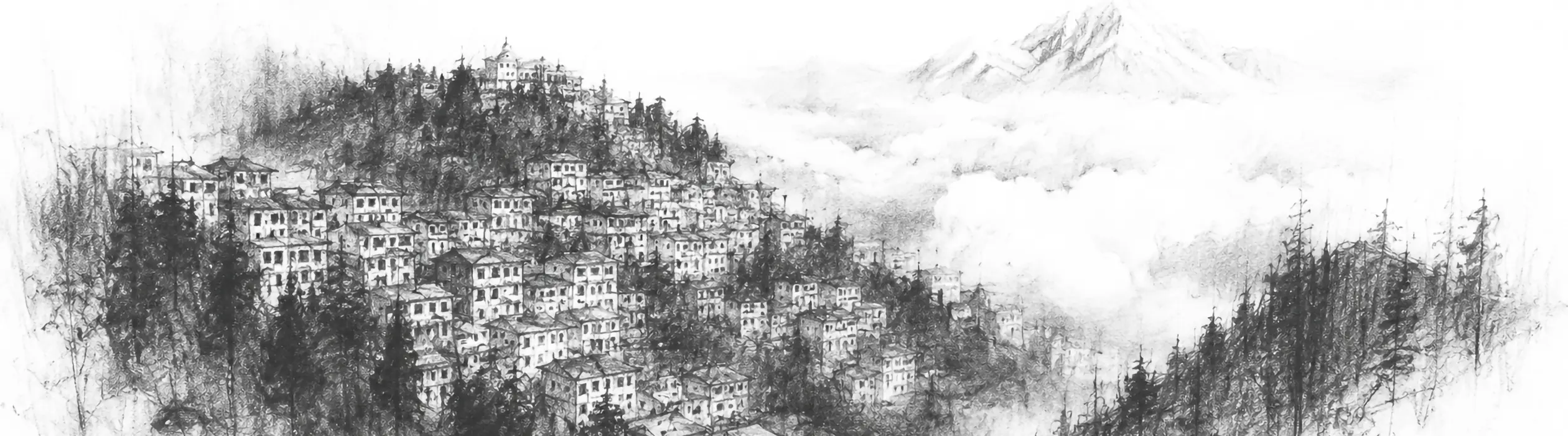
There is an old grief and an old charm tangled up in those hills, the way there is in all our hill stations: they were made by the people who once ruled us, as places to escape the heat of the plains they could not abide, and they left behind a scatter of steep-roofed bungalows, churches, clipped gardens and clubrooms, all gone soft now with damp and fog and time. In the photographs a bungalow appears half-dissolved in cloud, its garden dripping, looking like something out of a story set in a cooler country than mine. I have a weakness for that fog-and-gable melancholy, the leftover Englishness of the hills slowly being reclaimed by the mist and the tea, and I would like to take my tea on one of those cold verandahs and feel the strangeness of it.
Climbing to Coonoor, the heat falling away
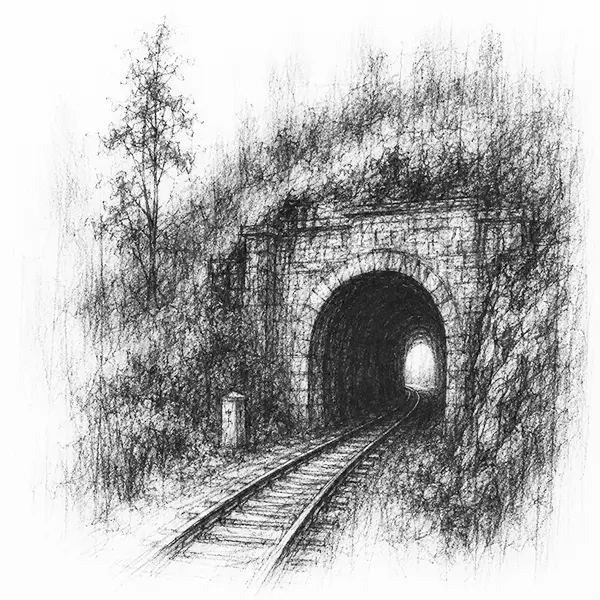
It is a climbing place, and everything about it is about the going up — the toothed track, the tunnels bored straight through the hillsides, the road that hairpins back on itself again and again, the way the air thins and cools and clears with every hundred metres until the heat of the plains is simply gone, left below you with the haze. People describe the exact moment the cool first reaches them on the way up, the windows coming down, the smell changing to eucalyptus and woodsmoke and wet earth. I have spent my life in the heat those tunnels climb away from. I would like to feel that change happen, the temperature dropping mile by mile, my own hot country falling away beneath the wheels.
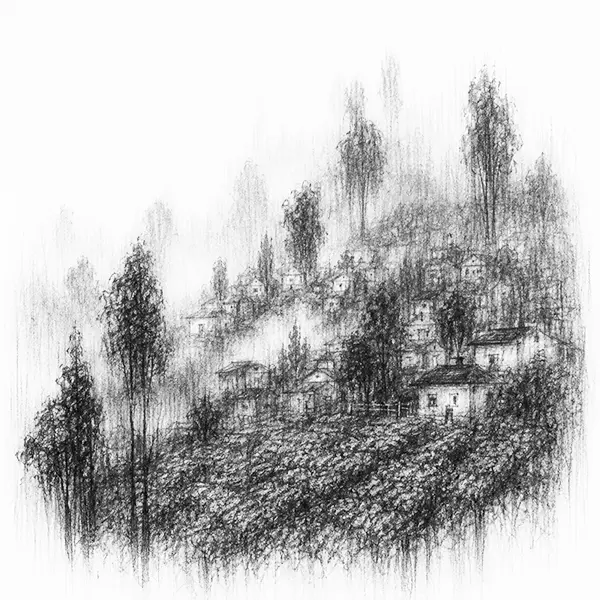
And then, beyond even Coonoor, past the famous hill stations and their crowds, there is a smaller place I have been told about — Chinna, a little secluded village up the other way toward Ooty, quieter than all of it, a serene and unhurried hamlet of a few houses among the tea and the trees where almost no one thinks to go. That is the part that finishes me. It is not enough, apparently, that I have missed the famous hills; I have also missed the quiet corner beyond the famous hills, the place people go to get away from the place I never even got to. I find I want Chinna most of all — the hill station’s hill station, the hush past the hush, somewhere to sit in the mist with no view to tick off and nothing at all to do.
So this one does not even have the dignity of a great obstacle. There is no sea, no border, no fare worth mentioning, no failure of nerve — only a road I have stood at the bottom of, more than once, and not driven up. The little train climbs its viaducts without me. The tea grows in its combed rows and goes into my cup. The fog comes down over the old bungalows, and gathers, somewhere quieter still, over a small village I have never seen and already miss. I have been all the way around these hills, for years, close enough to look up at them. I have just never, once, gone up. A man who has never been abroad, and somehow not even up a hill he has stood beneath.
“Coonoor: hill town in the Nilgiri (‘blue’) hills of Tamil Nadu, about 1,800 metres up, a centre of the surrounding tea estates and a stop on the Nilgiri Mountain Railway, a rack-and-pinion line that climbs from the plains through tunnels and over viaducts to Udhagamandalam (Ooty).”
— from a battered atlas, in the gazetteer at the back

Leave a Reply