Abroad · never been
I have never been to Vancouver, and I find it hard even to picture — a young glass city wedged into the narrow wet strip where the mountains walk straight down into the sea. It sits at the far green corner of the New World, about as far as you can go on that continent before you run out of land and start on the Pacific. Everything I have read about it comes back to the same astonished fact: you can be among glass towers in the morning and on a snow mountain or in a rainforest by the afternoon, because the wilderness does not begin out past the suburbs. It begins at the end of the street. A city pressed that hard against so much nature is difficult for me to imagine, which is, of course, exactly why I want to go.
Vancouver comes to me wet and green and clean, out of documentaries and photographs and other people’s holiday pictures, and out of a former colleague who emigrated there years ago and writes now and then with the particular fervour of the converted. Between them they have given me a city of sea fog and cold clean air, of glass reflecting water reflecting mountains, of rain that everyone complains about and no one leaves over, of fir trees pressing dark right up to the bright new towers. It is the opposite of the weather I was born into in almost every way. I have noticed that the places I dream of are very often the ones whose weather contradicts my own.
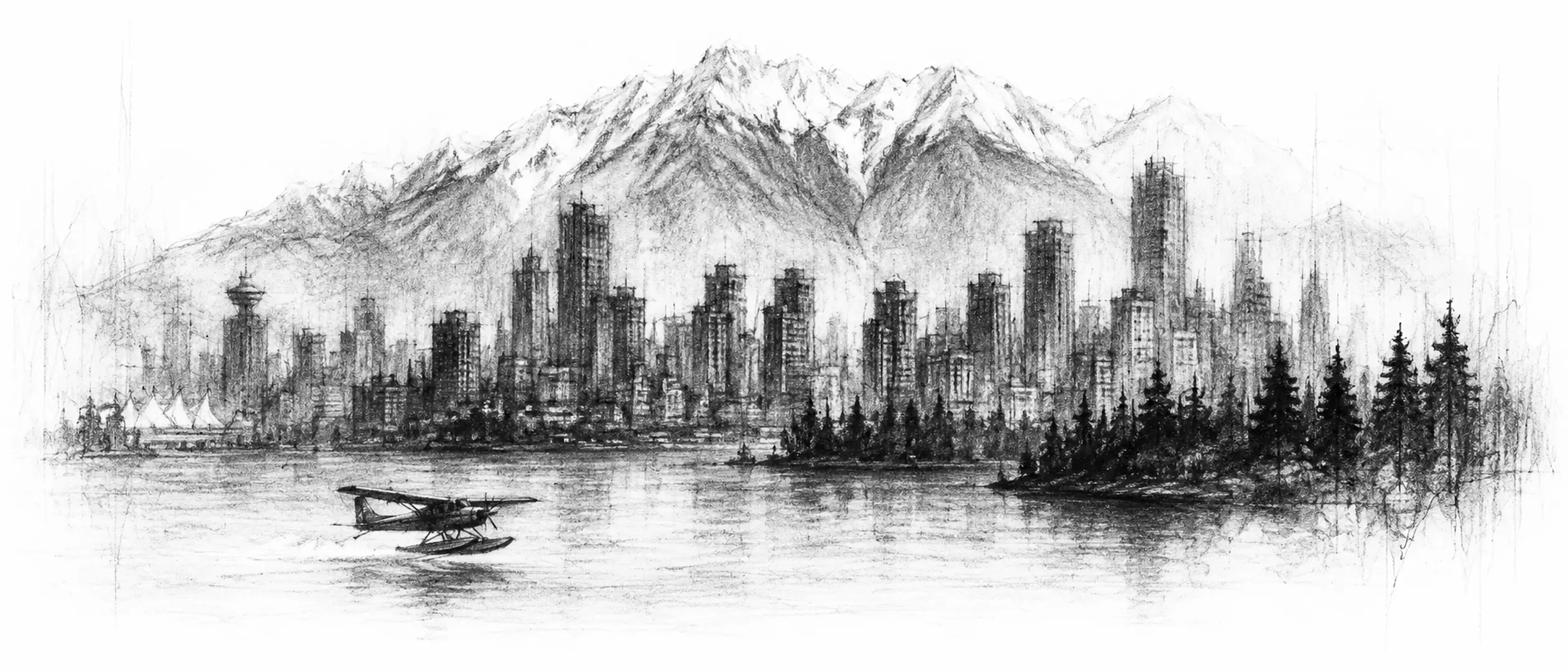
Vancouver, with the mountains at its back
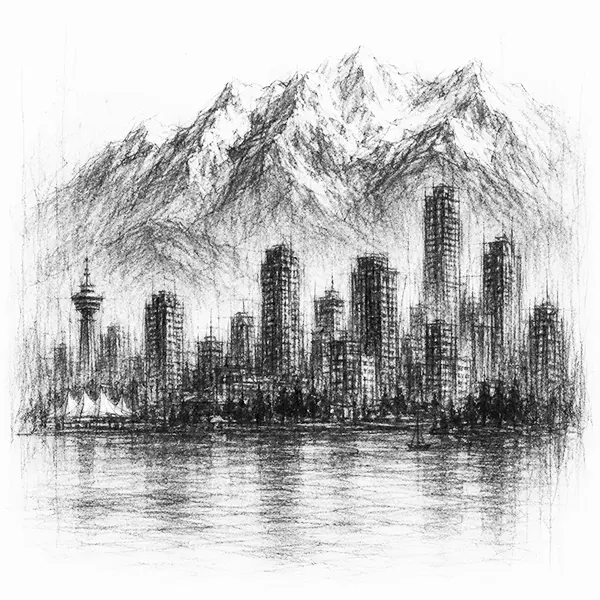
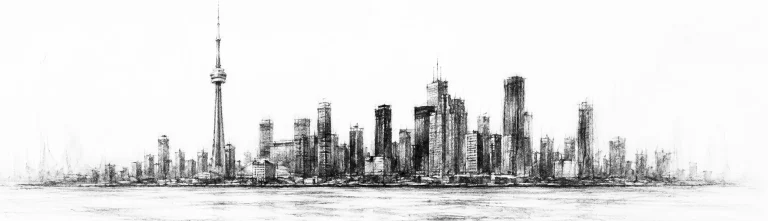
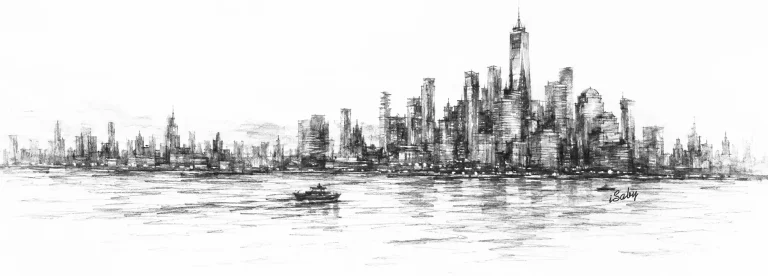
The picture of Vancouver that hooked me is the simplest one. A cluster of glass towers along the harbour, and rising directly behind them, close enough to look like a painted backdrop, the snow mountains. I am used to cities that stand alone on their flat plains, that have cleared the land for miles around to make room for themselves. A skyline with a snow range standing right at its back, the wild and the built sharing one photograph with no decent distance between them, undoes my sense of how a city is supposed to sit in the world. I would like to stand on the far shore and see it for myself, the towers and the peaks in a single glance, the new thing and the old thing refusing to keep apart.
Planes that land on the water
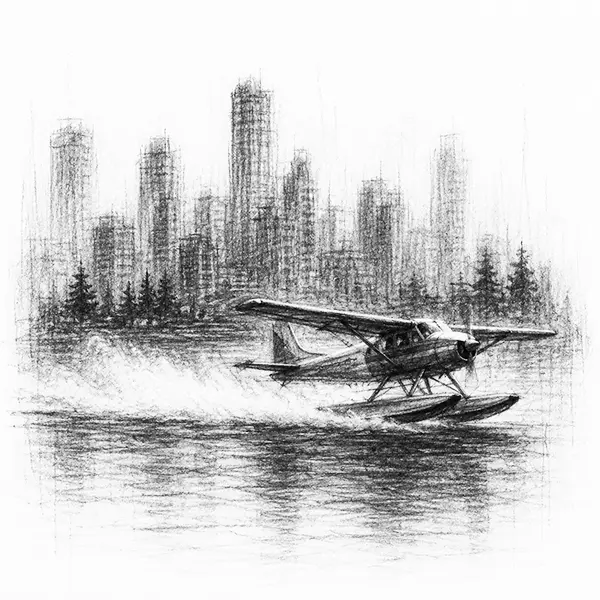
Small planes land on the water there, in the middle of the city, taxiing in among the boats and lifting off the harbour with a long tearing run — float-planes that fly people up the coast and over to the islands the way a bus runs across town. I am absurdly charmed by it. A city where the airport is partly the sea itself, where you step off a dock instead of a jet-bridge, where the everyday traffic includes a plane skimming up off the water past the glass towers — it has the slightly unreal, frontier quality of a place still close enough to its own wildness to improvise. I would happily waste an afternoon just watching them come and go.
A thread of cable over the green
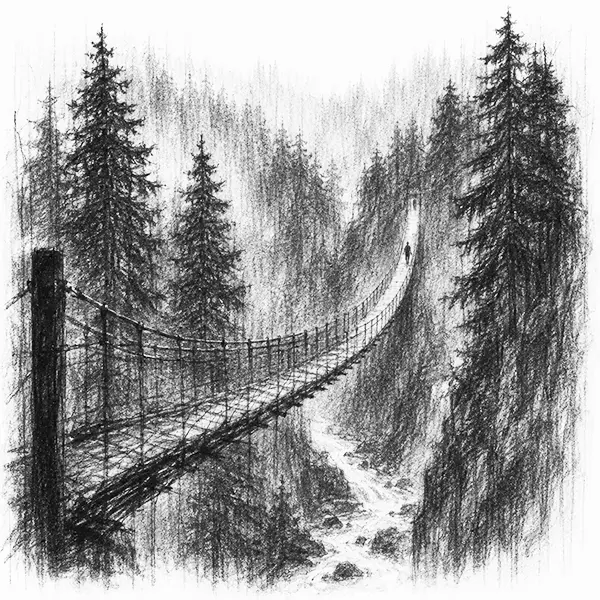
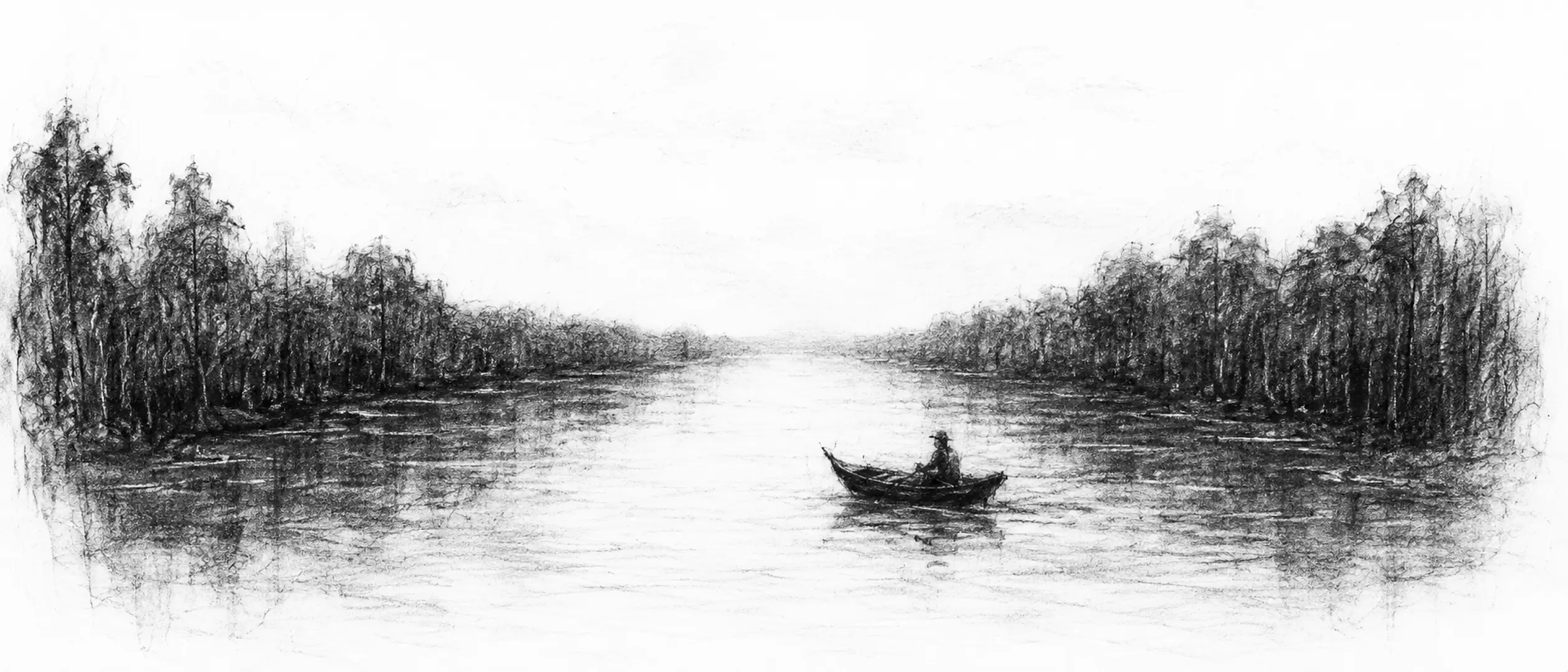
And the rainforest at the city’s edge — temperate, dripping, dark, full of trees so old and so huge they make a person feel briefly and usefully unimportant — strung in places with long swaying footbridges that hang across the gorges high above the rivers, so that you walk out on a thread of cable over a drop into green. I have walked under big trees before, in the hills of my own country. But the photographs of those gorges, the scale of those firs, the bridge swinging over all that wet green nothing, promise a kind of largeness I have not stood inside, and I would like to feel my stomach do the thing it does on a swaying bridge, surrounded by something that was old before my country had its present name.
The dark line across the strait
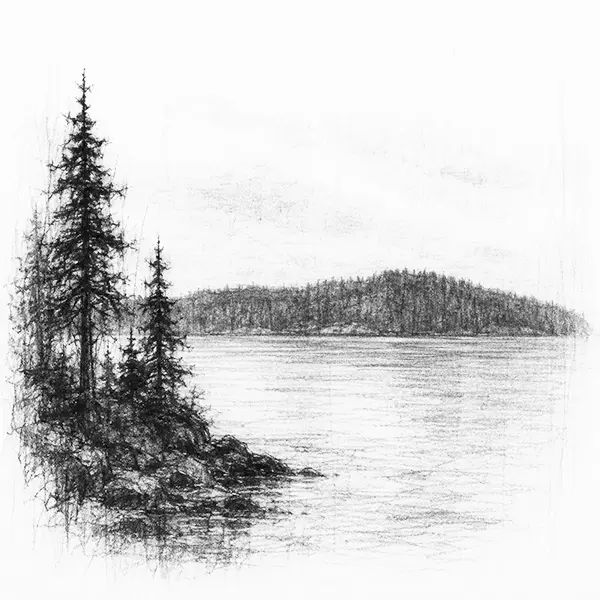
And out past the city, across the water, the island — for the mainland here is not the end of the land but only its edge, and beyond the harbour, low and blue-grey along the horizon, lies a whole long island, forested shore to shore, a wilder and emptier world hanging off the coast. I cannot stop looking at it in the photographs, that long dark line across the strait. It is the thing a city pressed against the wild does to a man like me: I have barely arrived in the town and I am already staring past it, at the bigger, quieter country just out of reach across the water. A place is always most magnetic to me at its far edge, where it gives way to the next thing — and here the next thing stands right there, in plain sight, all trees, a strip of grey sea away.
A long quiet edge by the sea
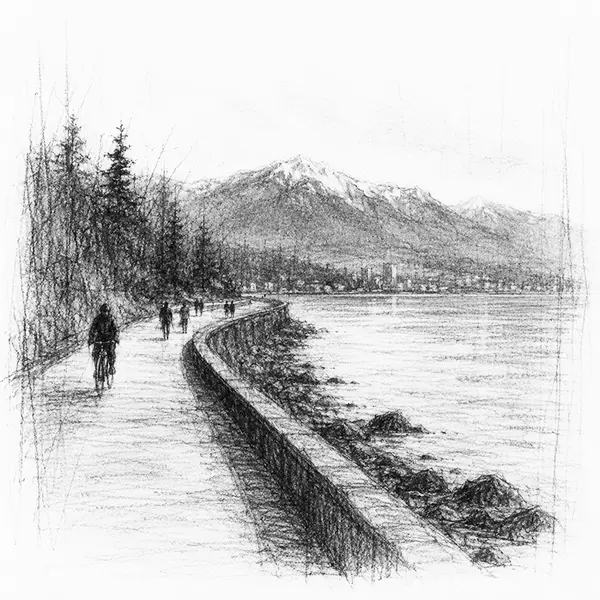
What I would actually do most, I suspect, is walk — the long seawall path that runs for miles around the edge of the city between the towers and the water, where everyone goes to move slowly beside the sea with the mountains across the inlet, joggers and cyclists and old couples and herons, a whole city’s worth of people choosing, daily, to put themselves next to the water and the green. I have spent my life in places where the public space was the crowded market and the hot street. A city that built itself a long quiet edge along the sea and walks it every evening is offering something I have rarely had, and I would take it gratefully, one slow mile at a time.
Whales in the grey water of Vancouver
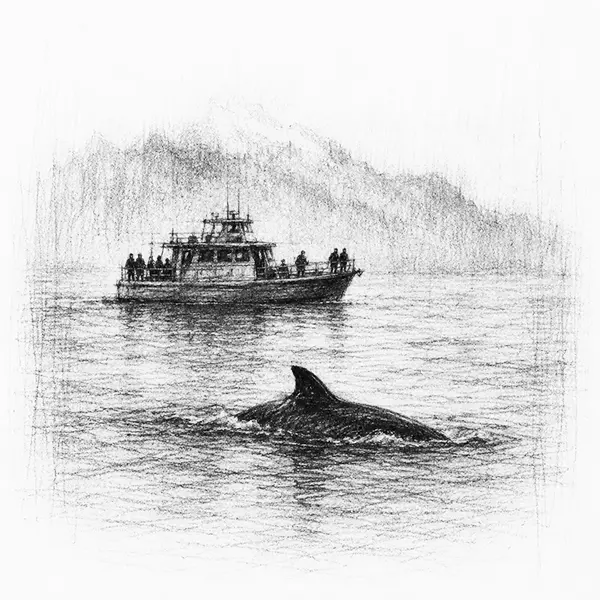
And out past the harbour, in the cold grey water, there are whales — actual whales, that people go out in small boats to find, and sometimes do, a black fin rising and falling in the swell, a back the size of a boat breaking the surface and going down. I have never seen a large wild thing in the sea. The idea that you can set out from a city of glass towers in the morning and be, by lunchtime, sharing the water with something that enormous and that indifferent, is the kind of wonder I suspect I went looking for travelling in the first place, and have mostly only read about.
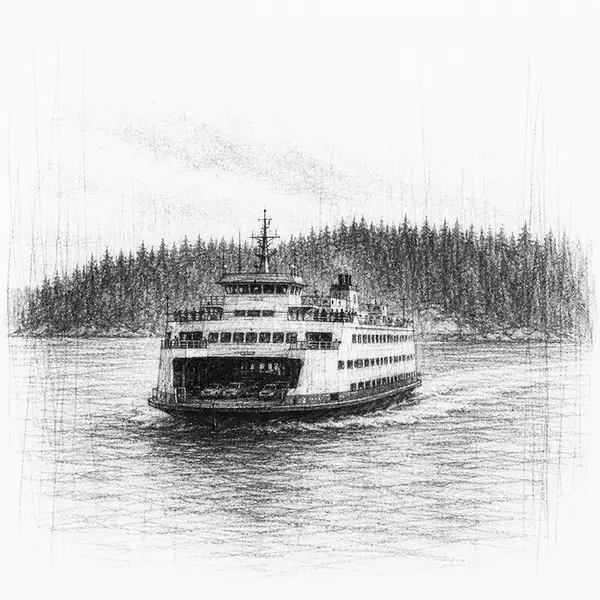
But the part I find I want most is the leaving of the city — the big ferry that runs out across the strait to the island that hangs off the coast beyond it, a whole wilder world of its own, all forest and rocky shore and small harbours and, they say, even bigger trees and emptier water. There is something in me that, given a city pressed against the wild, immediately wants to go past it, out to the wilder thing beyond — to stand at the rail of a slow car ferry as the towers drop behind and an island of dark forest rises ahead, and feel the continent thinning out toward its last green edge. If I ever go, I do not think I would stop at the city. I would get on the boat.
So Vancouver is the gentlest-sounding of my far places, and no nearer for that — a long flight to the other side of the world, a city I have built entirely out of someone else’s clean cold mornings, with an island beyond it I want even more than the city itself and have, of course, no nearer claim on. There is no ocean to blame this time, only the actual ocean, which is part of the appeal. One of these years I should go and stand where the snow comes down to the sea, walk the long edge by the water, and then do the thing the whole place seems built to make you want — get on the ferry, and go further out, toward the trees. I have never been abroad; the gentlest of my far places is still exactly as far as all the rest.
“Vancouver: city on the Pacific coast of Canada, set between the sea and the Coast Mountains; known for its mild wet climate, its glass towers, and the temperate rainforest and islands at its edge.”
— from a library reference book I renewed until they asked for it back

Leave a Reply