Abroad · never been
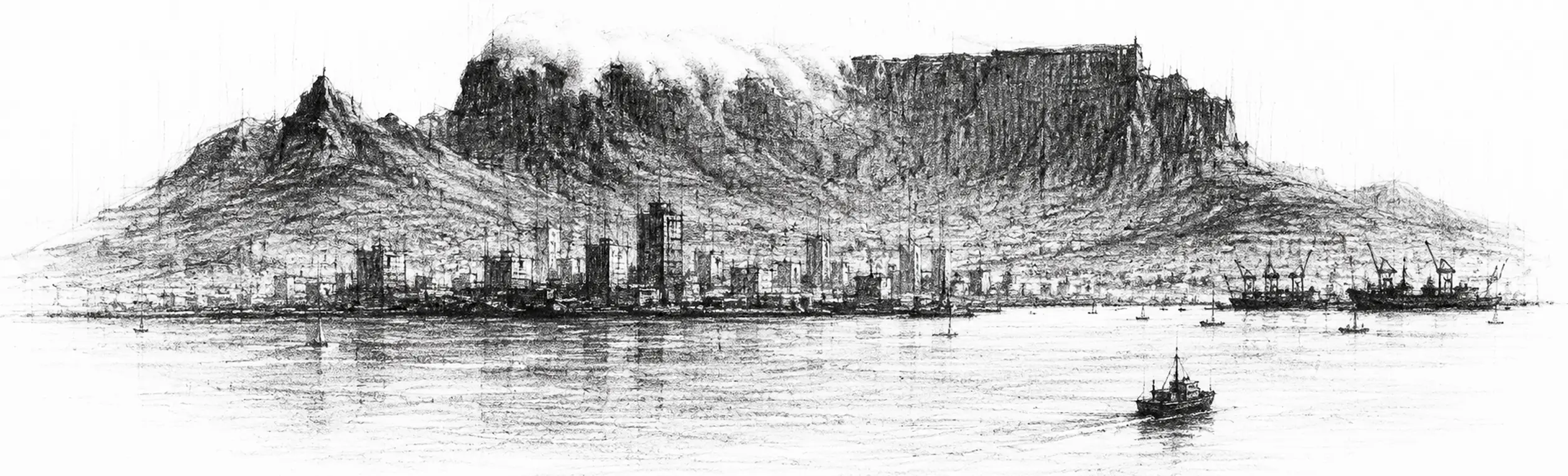
Cape Town is one of the few places in this book I was offered outright — not just a chance to see it, but a chance to go and work there, to live at the bottom of Africa for a while. And I let it go. That changes the colour of the longing. Most of my far cities I want the way you want someone else’s weather — abstractly, with no real claim on them. This one I have a receipt for. Years ago there was a role going out there with my name pencilled lightly against it, and I said no — or I said not now, which is the same refusal in a softer coat. So when I call up the flat-topped mountain and the bay beneath it, I am also calling up the man who might have said yes, and I have never quite worked out which of us was the fool.
What I have instead is the version assembled from everyone else’s eyes. A nature documentary with a hushed narrator, the kind that opens on a mountain shouldered against a cold ocean and lets a single shot run too long. A travel magazine left in a waiting room, the cape shot from a small plane, two seas folding into each other at the tip of the land. A former colleague who went out there for a project and came back insufferable, scrolling through four hundred photographs on a phone — and I, who pretend to be above such things, made him stop on three of them and email me the files. And the holidays beyond counting, recounted to me over the years by friends and peers who had been and could not help themselves. None of it is mine. I have furnished the whole city out of secondhand windows, and still I could walk you up from the harbour to the cableway with my eyes shut.
Cape Town under its flat-topped mountain
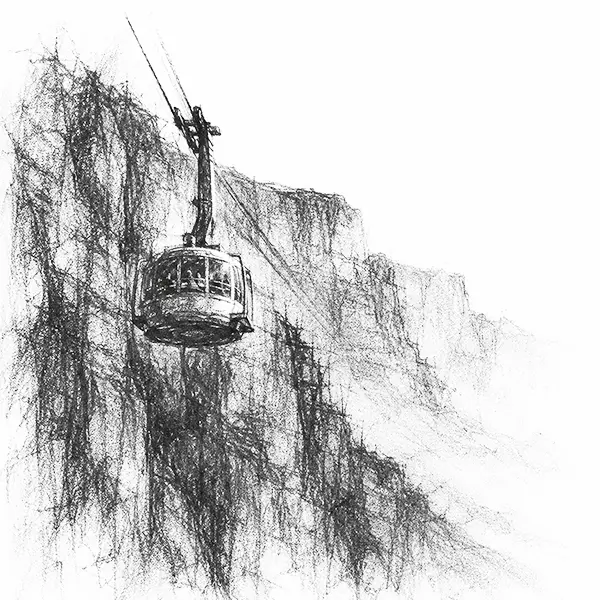
The mountain is the thing, of course — a mountain with its top sheared off level, as if a hand had come down and pressed it flat, standing straight up behind the city so that every street seems to end in rock. They say a wind comes in from the southeast and lays one long cloud over the flat summit and pours it down the near face like a cloth dragged off a table, and they call that wind the Doctor because it scrubs the held heat and the stale air out of the city in an afternoon. There is a cable car that turns slowly as it climbs, so that every passenger gets the whole view and no one has to fight for the window. I have watched it go up in a dozen clips. I have never decided whether I would look out, or down at my own feet, the entire way.
Penguins, and a cape of two names
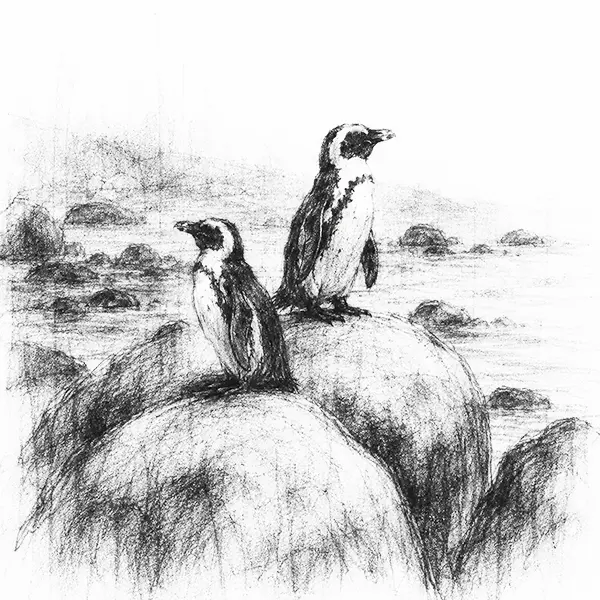
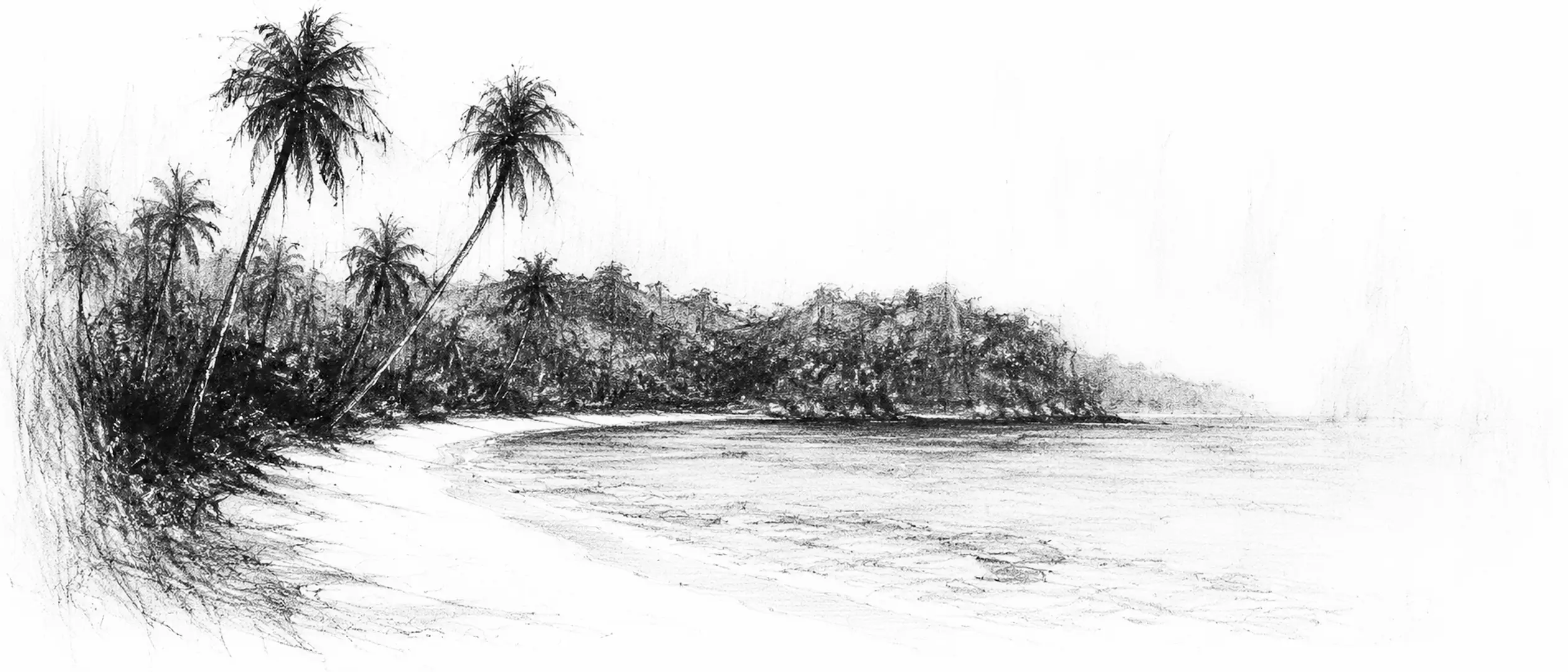
And then the things that have no business being there, which are the things I love most. Penguins — actual penguins, standing about on warm pale boulders on an African beach as if they had taken a wrong turn somewhere near the ice and decided to stay. South of the city the land runs down to a point where, the story goes, two oceans meet — a cold one and a warm one, arriving from different directions to argue over the same rock — and a sailor four hundred years ago, beaten about by the weather there, called it the Cape of Storms before someone with an eye on business renamed it Good Hope. Both names are true. That is the kind of place it is.
A light not like our light
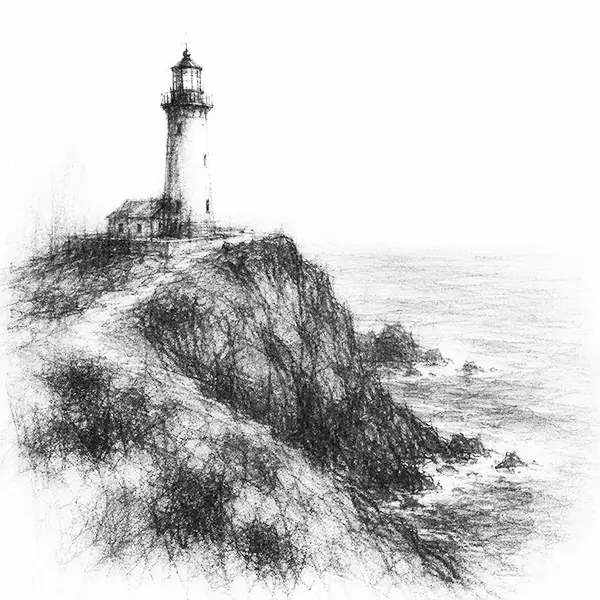
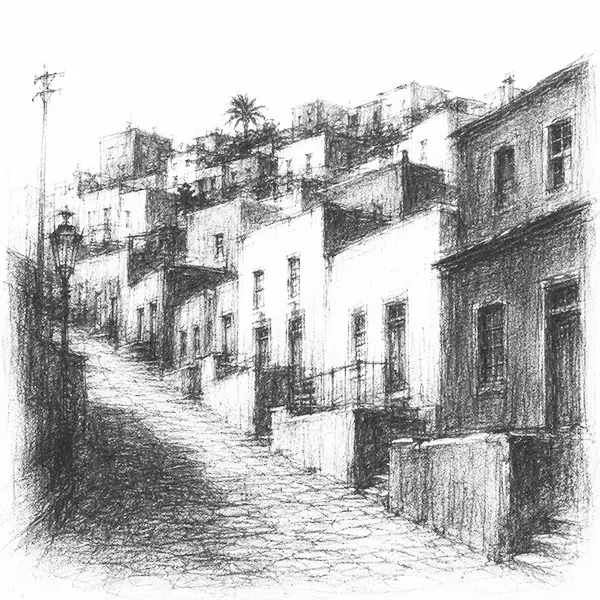
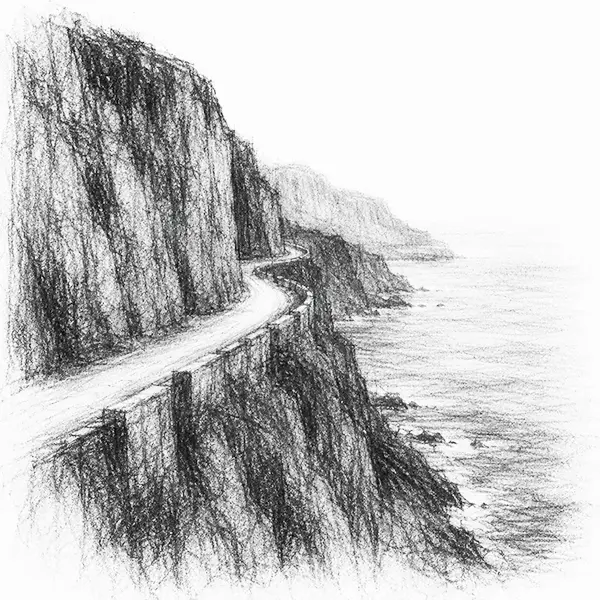
There is a quarter on a slope where the houses are painted in colours a charcoal sketch can only lie about — flat lime green, hot pink, a blue you could drink — stacked up a cobbled hill in the sun. And a coast road further out that the photographs all seem to take at the same hour, hung on the side of a cliff with the sea a long way down and going on forever. The light in those pictures is not our light. Ours, in the plains where I have spent my life, comes down thick and yellow and settles on everything like dust. Theirs comes off the cold sea hard and clean and makes even an ordinary street look freshly cut. I have spent a foolish amount of my life wanting to stand inside a light I have only ever seen reported.
The other Cape Town, past the frame
I try not to keep only the postcard. The same documentaries, if they are honest, show the other city — the flat grey miles out along the airport road where the people the old laws pushed to the edge still live, tin and brick and washing lines running on past the frame, a separation you can still read from the air. A man was held on an island in that bay for the better part of a lifetime, walked out, and ran the country; the island is a museum now, which is its own strange arithmetic. I have not earned the right to be sentimental about any of this from a chair on the other side of the world. I only mean that I know the place is not a screensaver, and I want it anyway, perhaps more for the trouble in it.
Here is the part I circle. I could have gone — not as a tourist, but properly, to live there a while, the offer in writing. And I let it go. The reasons I gave at the time were good ones and I still half believe them: the work was heavy that year, my health had picked exactly then to misbehave, and money I had not yet earned was already promised to something I could not unpromise. Sensible. Adult. The sort of decision a man is congratulated for. And yet I notice I have never once told this story without rehearsing the defence first, which is how you can always tell a man is unsure of his own verdict. Prudence and cowardice wear the same suit. From this distance I genuinely cannot say which one I shook hands with.
So Cape Town sits a little apart from my other unreached places. The rest I never had; this one I had, and handed back. When I picture it now it is always late afternoon, the Doctor just beginning to drag its cloth over the mountain, the cable car making its slow turn, the two oceans bickering at the cape, the penguins unbothered by any of it. And somewhere down in that bright hard light is the desk I never sat at, with my name rubbed half away. I keep meaning to find out whether the offer was ever really mine to take, or only mine to refuse. It is a comfortable question. It asks nothing of me but that I keep asking it. It is the strangest line in the ledger of a man who has never been abroad: the one abroad that was, for a moment, actually mine.
“Cape Town: seaport and oldest city of South Africa, founded 1652 as a victualling station at the foot of Table Mountain, on the shore of Table Bay near the Cape of Good Hope.”
— read once off a library shelf and never quite given back

Leave a Reply