Abroad · never been
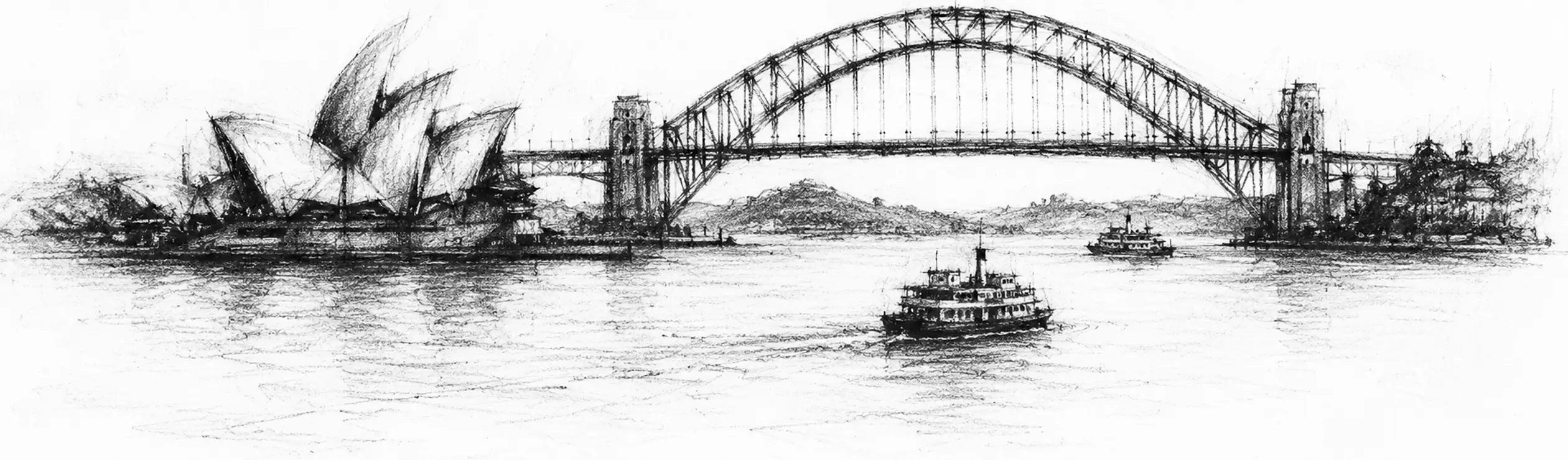
Of all the places I have never been, Sydney is simply the farthest. That is the first thing about it and, if I am honest, half the reason I want to go. It sits on the underside of the planet, almost exactly opposite the part of the world I have spent my life in. To reach Sydney you must fly for the better part of a day and a night, over deserts and oceans and the equator, until you come out the other end of the earth and find a city carrying on cheerfully upside down. It is the one place in this whole collection where the distance itself is the attraction. I do not particularly need a reason beyond that. I would like, once before I am done, to go as far from home as it is possible to go and still have ground under my feet.
Because everything there is turned over. It is the great childhood fact about that country, the one that lodged early and never left: that when it is winter for me it is summer for them, that their Christmas falls in the heat, that the sun crosses the sky the wrong way round and the water, they say, turns the wrong way down the drain. The seasons are inverted, the months mean the opposite of what they mean to me, and — this is the part I have never got over — the stars are different. A whole other set of constellations that I would not recognise, wheeling over a sky that has never once been mine. To stand under a night sky and not know a single thing in it strikes me as one of the purer ways a person can be made to feel far from home.
Sydney’s sails, and the bottom of the map
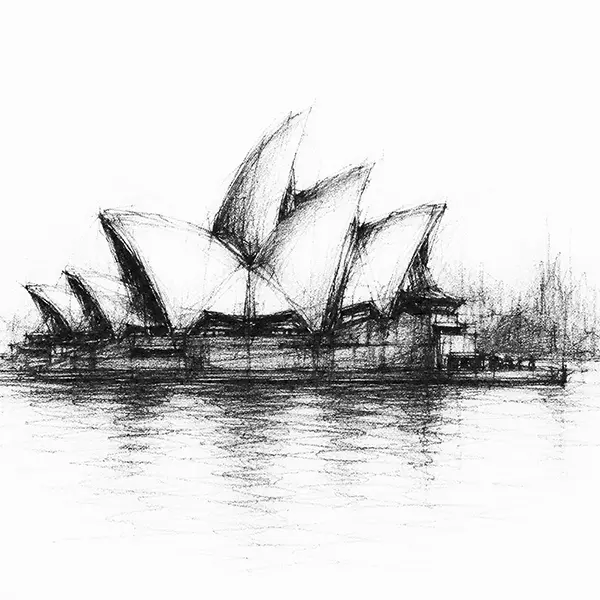
The sails come first, of course. Everybody on earth has seen them — that cluster of white shells leaning together on their point of land, like a yacht race frozen at its most dramatic moment, or a heap of shattered eggshells, or a thing the wind made and forgot to take away. It is the most photographed building of the half of the world I have never visited, and I have known its shape since I was a boy, long before I could have told you what it was for or which country it stood in. It is one of those buildings that has stopped being a building and become a sign that simply means there, means the far side, means the place at the bottom of the map. I have seen ten thousand pictures of it and could not tell you what it sounds like inside.
The muscle beside the music
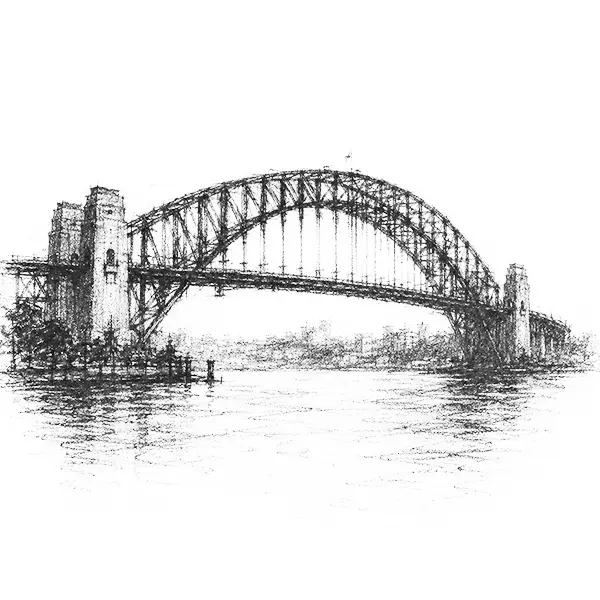
Beside it, the Sydney Harbour bridge — that enormous single steel arch flung across the harbour, heavy and grey and grinning, the old workhorse next to the opera house’s showing-off. I like it better than the sails, if I am truthful. It has the look of a thing built by people who were certain about everything, riveted together in an age that believed in iron, and there is a humour in the way the two of them sit side by side: the great serious bridge and the great frivolous shells, the muscle and the music, agreeing to share the same stretch of blue water. People climb it now, I gather, file up over the top of the arch in grey suits on a wire, for the view and the fright of it. I am not sure I would. I would be happy enough underneath, looking up.
Commuting by boat
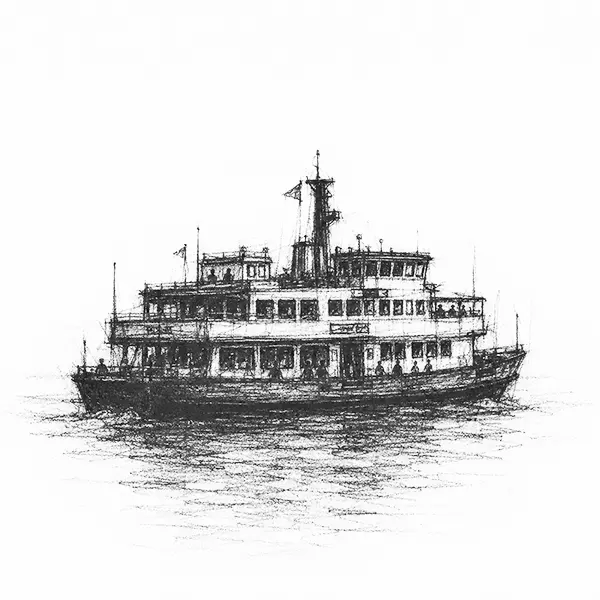
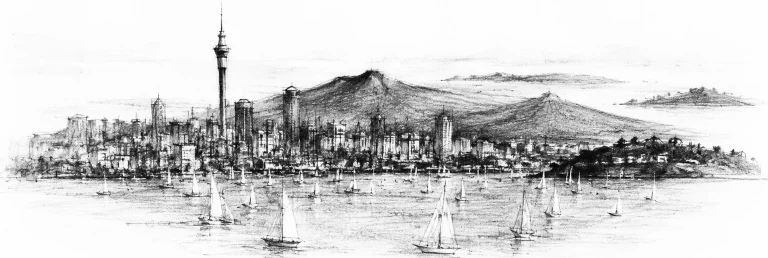
And then the ferries, which are the part I think I would actually love. It is a city built around a harbour that pokes long fingers of sea into the land everywhere, so that the ordinary way to get about is by boat — squat green-and-yellow ferries chugging out across the chop, full of people going to work, going home, going to the beach, treating a stretch of dazzling open water the way I have spent my life treating a crowded road. The idea of commuting by boat, of the sea being merely the route to the office, undoes something in me. I have read the harbour off other people’s holiday photographs so many times that I half-know the routes, and I have never once felt the deck move under me.
A more serious star
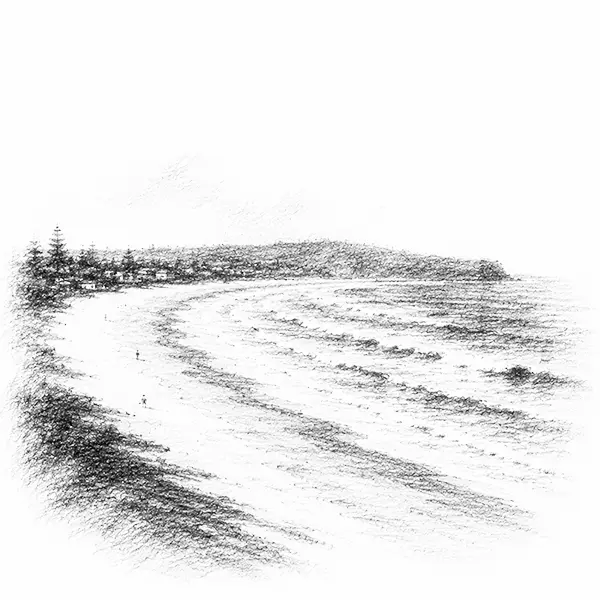
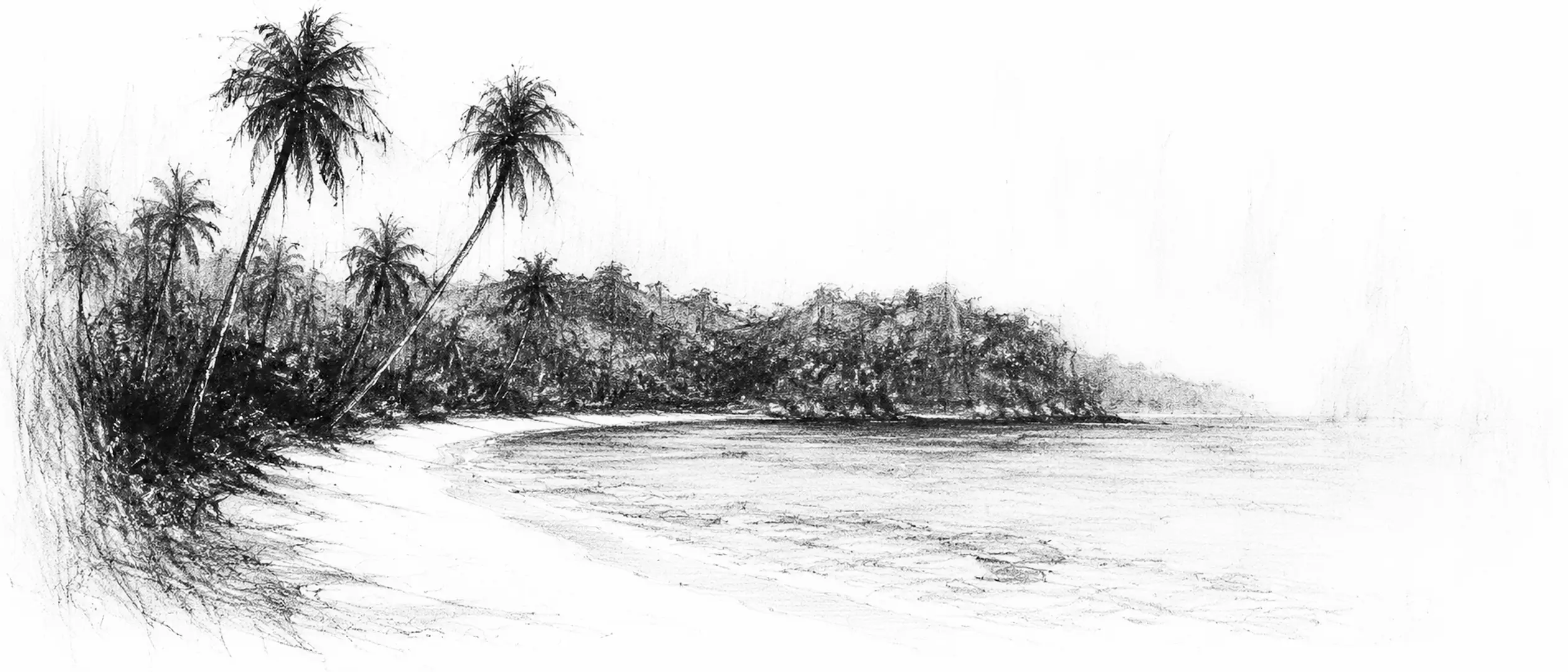
The beaches are the other thing the pictures are full of — long pale crescents of sand with a hard clean light coming off them, the surf rolling in in long ordered lines, and bodies everywhere, brown and unbothered, as though the whole city took the sea as a right rather than a treat. The light in those photographs is unlike any I know: high and white and pitiless, a southern light with nothing soft in it, that throws black hard-edged shadows and makes the water look enamelled. I have stood on warm beaches in my own country, plenty of them. But the films and the feeds make this one look like a place where the sun is a slightly different, more serious star, and I would like to check.
The other sky of Sydney
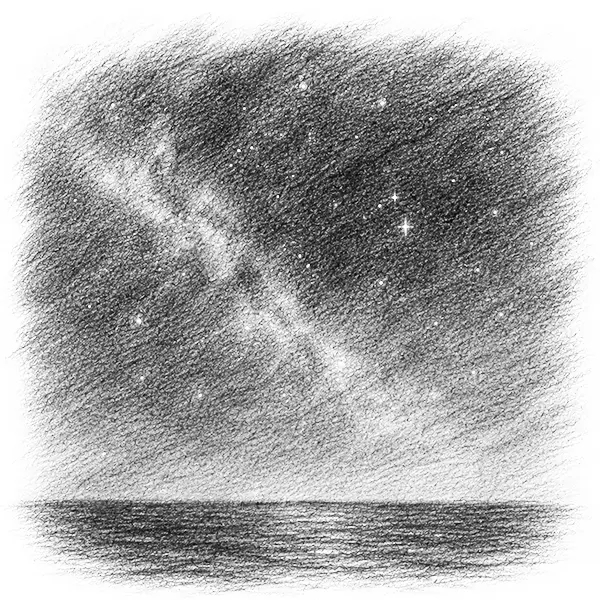
It is the stars I keep returning to, though, more than the sails or the surf. Somewhere I read, young, that from down there you cannot see the familiar sky at all — that the patterns I learned to find as a child, the ones that have hung over every place I have ever stood, drop below the horizon, and a different set comes up instead, a cross and strange bright clouds and stars with no stories I was ever told. I have always navigated my small life by a handful of fixed things, the same sky among them. The thought of going so far that even the sky is replaced, that I would stand at night and not find one thing I knew, is the part of Sydney that is almost frightening, and exactly the part I want.
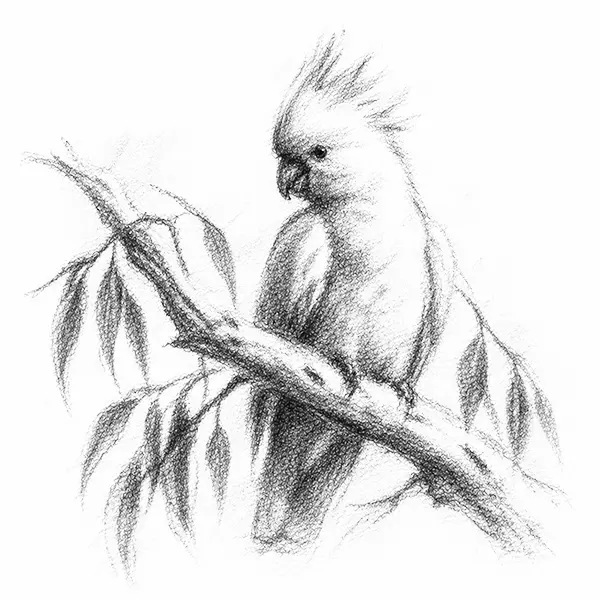
Even the trees and the birds are strangers down there. Pale peeling eucalyptus, that I know a little, and then birds out of a fever — great white ones with sulphur crests that screech like rusty gates, and a brown one with a laugh so loud and human that the documentaries always save it for the soundtrack. A continent that went off and evolved on its own for so long that it filled up with animals found nowhere else, as if to make the point about distance one more time, in feathers. I find I want to be somewhere where I do not recognise the bird in the tree outside the window. It is a small thing to want. It is also, I notice, the whole of what I want from abroad, in miniature.
Here is the honest part, and by now it will not surprise you. There is nothing stopping me from going to Sydney but the usual everything. It is the longest flight and the dearest fare, but it is a flight and a fare; people I know have done it for a holiday and come back with the photographs I have built the place out of. The obstacle was never the distance, which is the very thing I claim to want. The obstacle is that I keep choosing not to close it — that I will turn the distance over admiringly in my mind, the upside-down seasons and the unfamiliar stars, and then put it down again, and stay exactly where the sky is the one I know. I want to go to the farthest place there is. I have, so far, gone nowhere — which is, I suppose, a kind of distance too. I have never been abroad, and the farthest city of all is only the brightest of the things I have failed to reach.
“Sydney: largest city of Australia, on a deep natural harbour of the country’s south-east coast; in the southern hemisphere, where the seasons run opposite to those of the north and the night sky shows constellations not visible from Europe or most of Asia.”
— from the one-volume encyclopedia I have had since school

Leave a Reply