Abroad · never been
I have never been to Mexico City, which is really two cities — the vast modern one that is there now, and the drowned one underneath it that is gone past visiting by anyone. It sits in a high bowl of mountains where, five hundred years ago, an island capital stood in the middle of a lake, reached by causeways, laced with canals, one of the largest cities in the world. The lake was drained, the island built over, the empire ended in a season. The ground, which remembers it was once water, has been quietly swallowing the new city ever since. Whole churches lean and tilt as they go down. It is the only place I dream of that is actively, visibly sinking, and I cannot stop thinking about it.
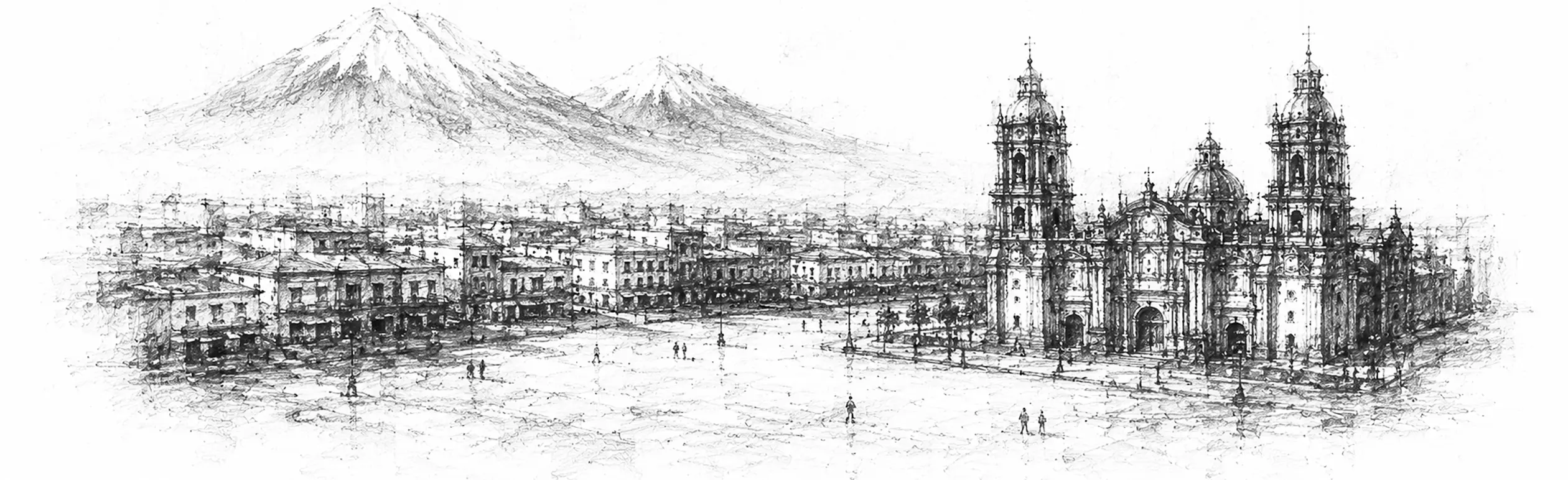
I came to it late, and through the usual side doors: documentaries, the encyclopedia, photographs, a former colleague who went and came back unable to shut up about it, and the films that love its light and its danger and its colour. Between them they built me a city of fierce high-altitude sun, of a great flat square big enough to lose a crowd in, of murals the size of buildings, of marigolds in heaps, of two snow-topped volcanoes standing over the whole sprawl like sentries who stopped paying attention centuries ago. It is a place where the air is thin enough to leave you light-headed and the past is close enough to leave you the same way.
The leaning cathedral of Mexico City
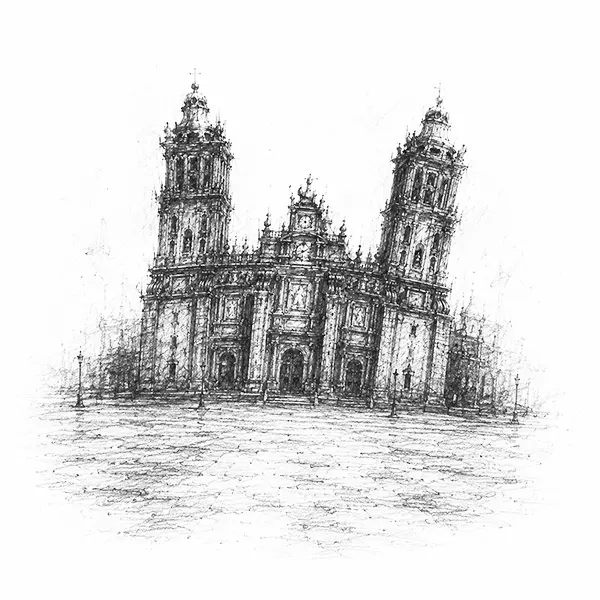
The great square is the thing everyone photographs, and the cathedral on it is the thing I cannot look away from. It is an enormous old stone church, built by the conquerors out of the rubble of the temple they tore down, and now itself slowly sinking and leaning into the soft ground, visibly out of true, propped and corrected and going down anyway. There is a whole history in that one tilting building: the temple beneath the church, the lake beneath them both, the new faith settling literally into the bones of the old place and finding the ground will not quite hold it. I would like to stand in that square, in the thin bright air, and feel how big and how off-kilter it is, a cathedral leaning like a man who has been standing too long.
A double depth of vanished worlds
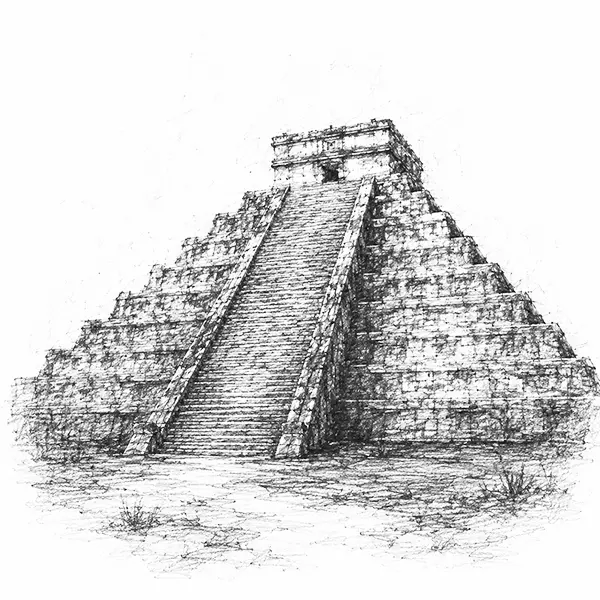
And out at the edge of the city, the pyramids — great stepped stone mountains older than the empire that the conquerors found, built by people who were themselves ancient history to the people the Spanish met. A double depth of vanished worlds, one under the other, the way the cathedral sits over the temple sits over the lake. I have climbed nothing older than a few centuries in my life. The thought of standing on a stone stair laid down before almost anything I have a name for, in that hard clear light, with the modern city smoking on the horizon, is the kind of vertigo I go looking for and never quite find at home.
History painted enormous on the wall
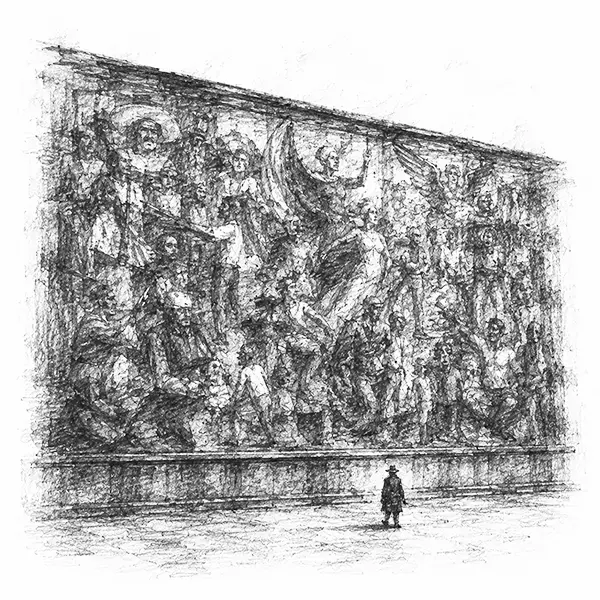
It is a city that paints its history enormous, on the sides of its buildings — great public walls covered edge to edge with crowded painted stories of conquest and labour and revolution, art made deliberately huge and out of doors so that everyone, and not only the people who can afford a gallery, must walk past the country’s memory every day. I admire that ferociously. I come from a place that also carries an enormous, contested past, and the idea of putting it right out on the wall where no one can avoid it strikes me as braver and healthier than the quieter ways we have of not-quite-remembering. I would stand a long time in front of those walls.
When the dead come to dinner
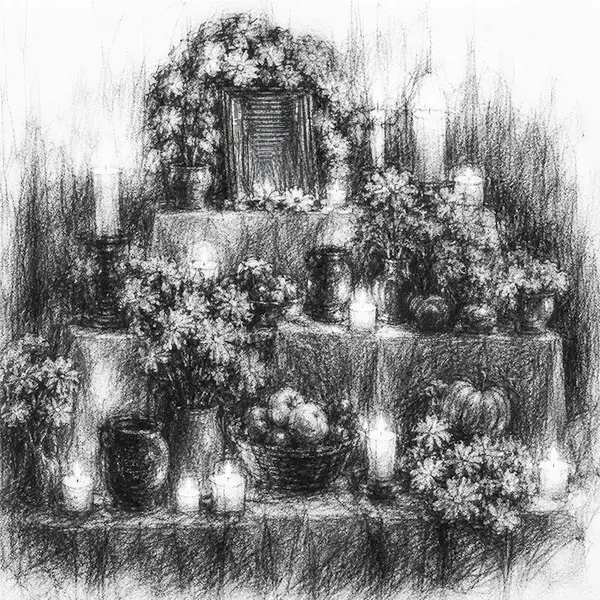
Then there is the way the city keeps its dead — not at a sorrowful distance but close and warm and even festive, with a day each year when families build small altars heaped with marigolds and candles and the favourite things of the people they have lost, and welcome them back rather than mourning them away. I find that almost unbearably moving, and not a little enviable. We all carry our dead. Most of us carry them silently, awkwardly, alone. A whole culture that decided once a year to lay out the marigolds and set a place and let the dead come to dinner has worked out something about grief that I have not, and I would like to stand at the edge of it, respectfully, and learn.
The ghost of the drowned lake
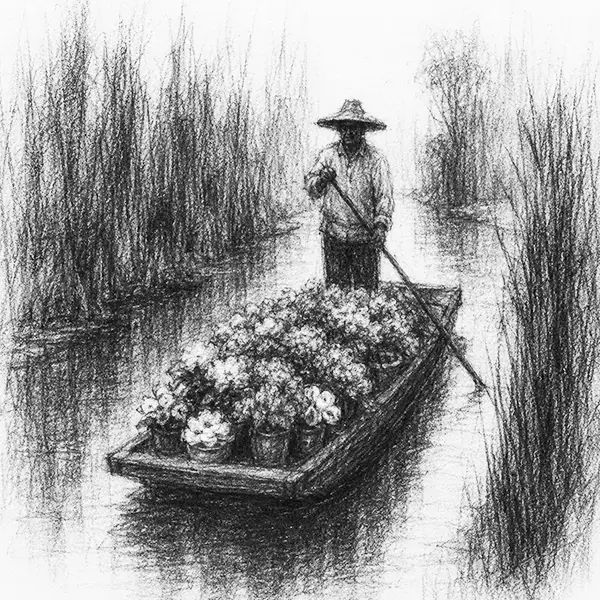
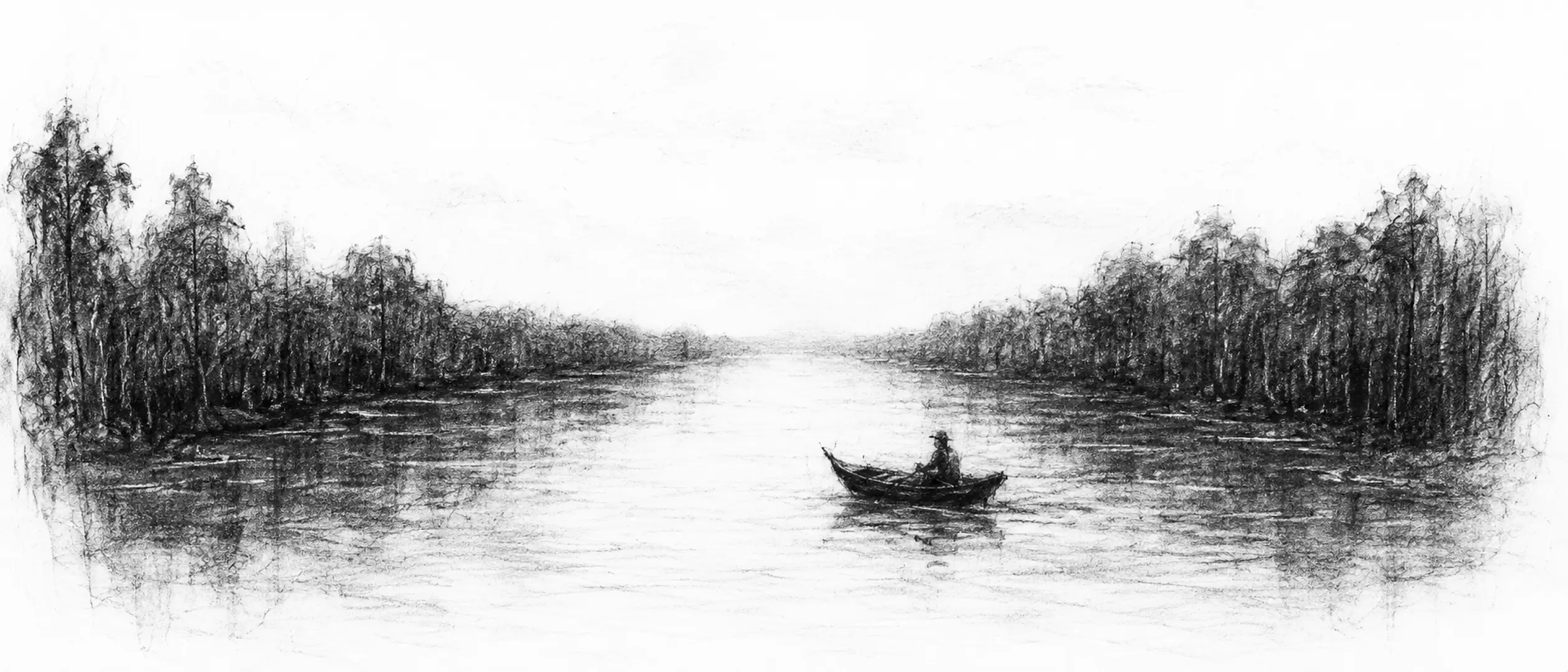
And in one corner of Mexico City the old lake has not entirely given up — a last network of canals where flat boats heaped with flowers are poled along the water, the faint surviving thread of the drowned island-city, a place to drift on a Sunday where once the whole capital floated. I am drawn to that more than to any monument: the ghost of the water, still there, still navigable, the city’s first form persisting in one green corner like a memory it cannot quite shake. I would take one of those boats and drift for an afternoon on the last of the lake the rest of the city is sitting on.
Mexico City under two volcanoes
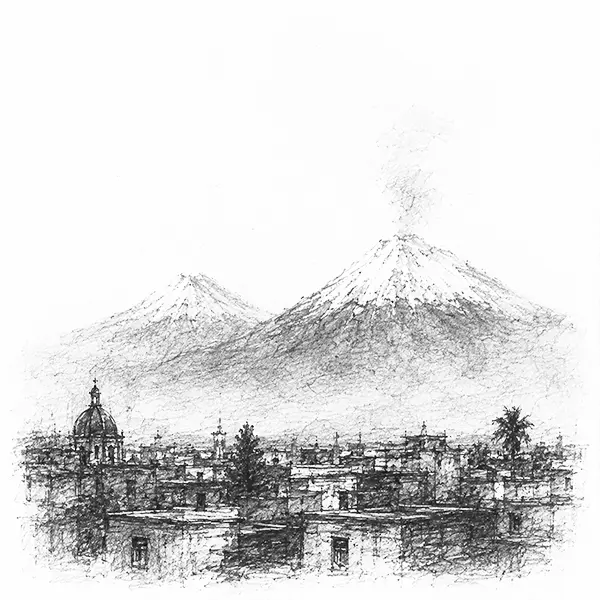
Over all of it stand the two volcanoes, snow on their tops even in the heat, one of them still smoking, watching the city the way mountains watch everything — without much interest, on a different clock. On the clear mornings, they say, they rise up huge beyond the rooftops, and on the bad ones the city’s own haze hides them completely, so that you can live there for a week and not know they are there. I like a city with that over its shoulder: a reminder, in snow and smoke, that the ground it sinks into and the air it cannot quite clear are both older and larger than anything it has built. I would wait for a clear morning to see them.
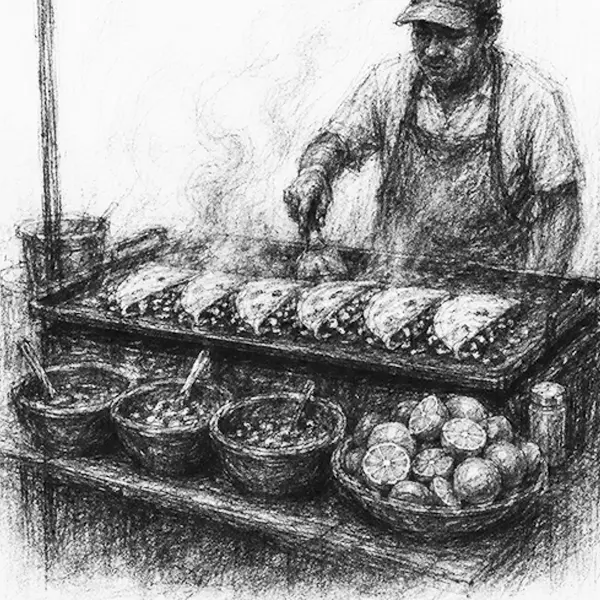
And then — because I am a greedy man and have never pretended otherwise — the food, which may be the thing I most want and least have. A whole cuisine I have only ever read and watched, built on chillies and corn and slow dark sauces, eaten standing up at street stalls off little folded tortillas, hot and smoky and stained red and green, a way of eating that is loud and communal and entirely unlike my own coast’s. I have tasted, in my own country, a hundred far cuisines at second hand, in their travelled imitations. This is one I have never had even a copy of worth the name. To stand at one of those griddles at night, in the thin cold high air, and eat something I cannot properly name off a paper plate, is a small specific hunger I have carried for years, and the one I would satisfy first.
So Mexico City joins the others, with its own particular flavour of unreaching: not unreachable, just unreached, a long flight and a thinning of the air away, a city sinking into a lake I have read about a hundred times and a cuisine I have wanted and never once tasted at the source. The flight is long and the visa real, but the truest obstacle, as ever, is just the usual quiet failure to ever quite go. One of these years I should fly into that high bowl of mountains, wait for a clear morning to find the volcanoes, stand in the great tilting square, and finally eat the thing off the griddle — and let the sinking city, with the dead close and the past on every wall, correct everything the films and the photographs only half-told me. I have never been abroad; the sinking city is one more place I have let the photographs stand in for.
“Mexico City: capital of Mexico, set in a high mountain basin over 2,200 metres above the sea, built on the drained lakebed of Tenochtitlán, capital of the Aztec empire; one of the largest cities in the world, and slowly subsiding into the soft ground beneath it.”
— from a guidebook I bought for a journey I never made

Leave a Reply