Abroad · never been
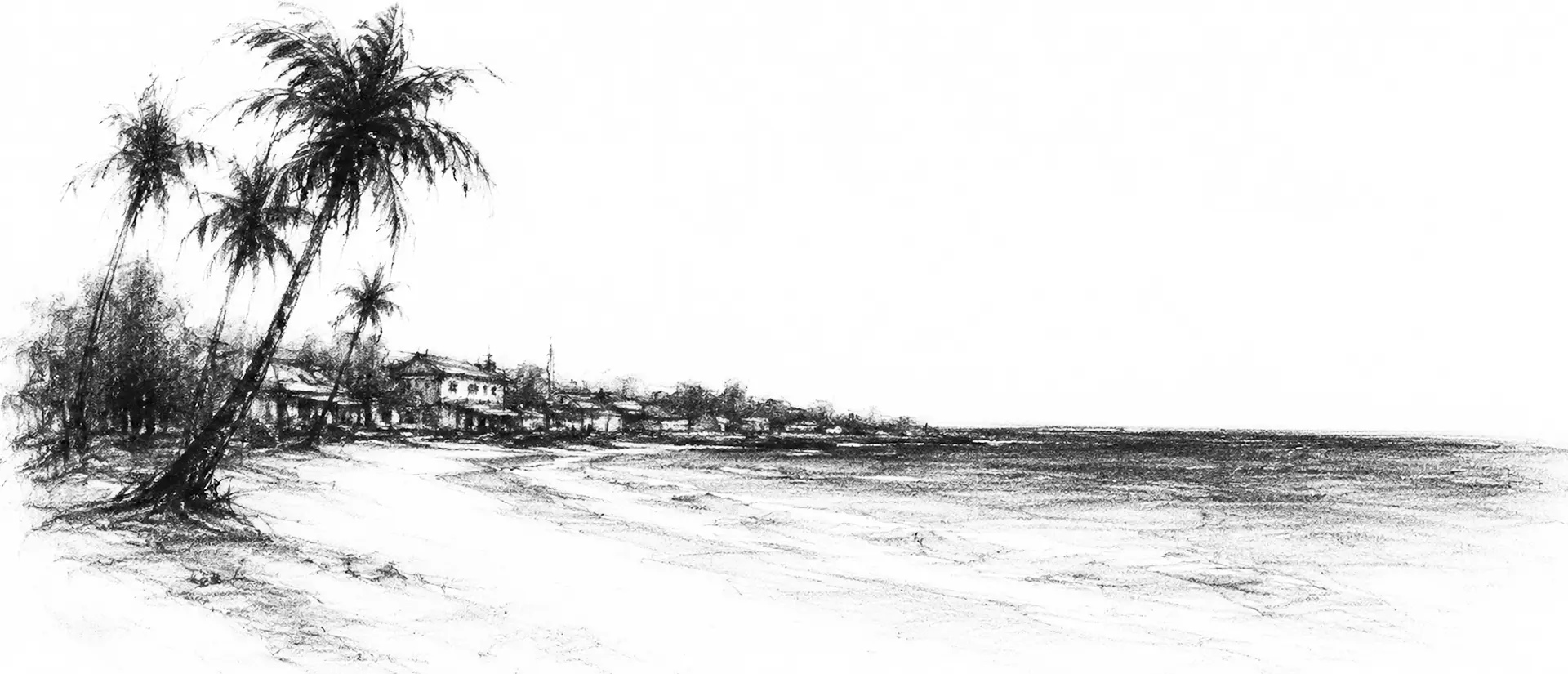
Bridgetown is a place I keep for the colour of its water, which I have never touched. Everyone who photographs that part of the world seems to point the camera at the same impossible shallows — a blue so pale and clear near the sand that it looks less like a sea than like something poured, warming in the sun, waiting for nobody in particular. I grew up beside a sea the colour of strong tea, and the first time I saw those Caribbean shallows in a magazine I did not believe them, and then I wanted them, and then, in the way of these things, I quietly filed the whole small island away in my head and never went to check.
The Bridgetown I keep in a warm blue
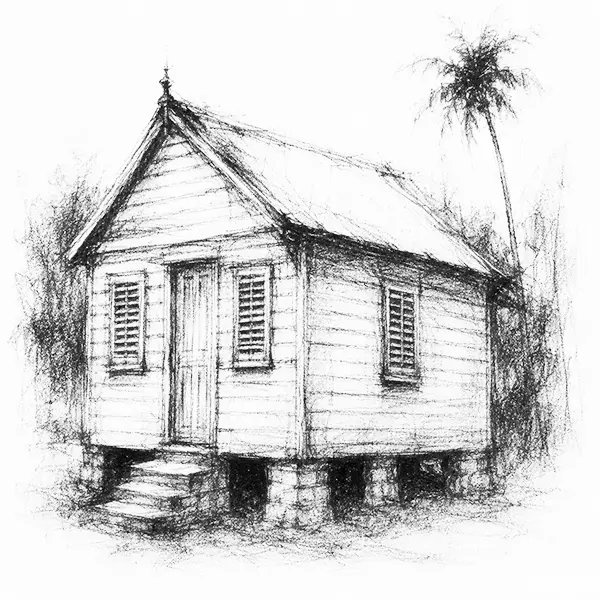
What I learned first, and love best, is a fact about the houses that I have turned over many times. The old wooden ones, painted every bright colour a tin will hold, were built so they could be taken apart and moved — the people who put them up did not own the ground beneath them, so they made the house itself portable, board by board, a whole home you could load onto a cart and set down again on the next plot when the arrangement soured. The encyclopedia gives them a plain name and moves on. I could not move on. A house built by people who had learned not to trust that the land would stay theirs, and who answered by making the roof over their heads something they could carry. I have lived in rented rooms my whole restless working life and never once thought to make them portable. It had not occurred to me you were allowed.
The boats along the careenage at Bridgetown
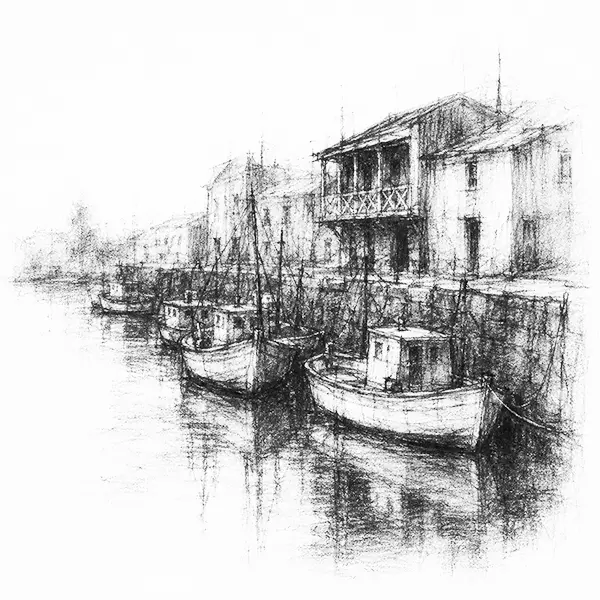
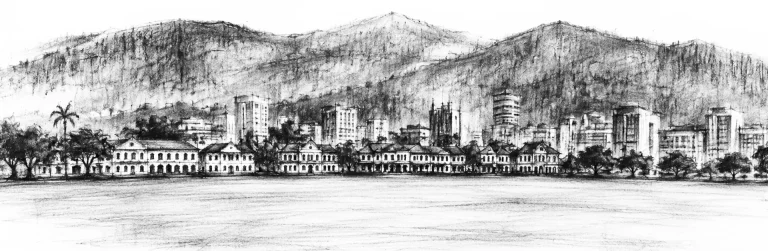
Bridgetown itself I know as a curve of water pushed into the land, an inlet the old maps call the careenage, where the small boats have always come in to be tied up, unloaded, tipped on their sides and scraped clean of the sea. The waterfront in the pictures is low and bright, a line of shuttered buildings the colour of sherbet leaning over their own reflections, and the boats crowd the quay so close you could cross the water on their decks. It has the settled, unhurried look of a place that has been doing exactly one thing — meeting boats — for three or four hundred years and sees no reason to be talked out of it. I have stood at a great many working harbours in my imagination. This is the only one where the water underneath is the colour of a swimming pool.
A fish that leaves the water
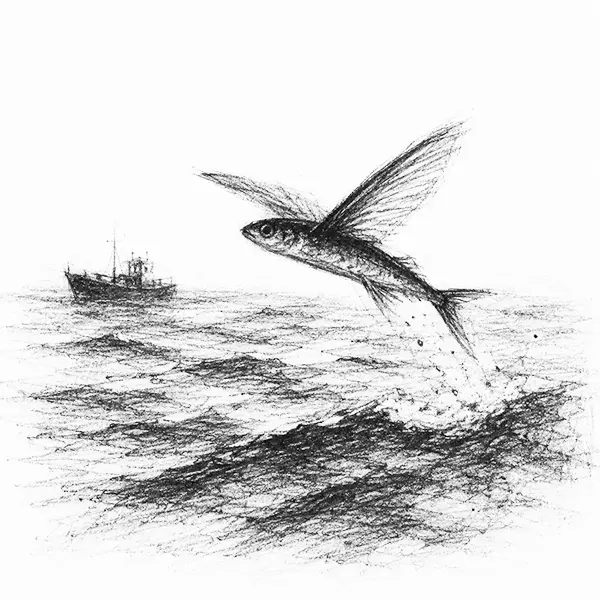
The island’s own emblem, I read, is a fish that flies — or glides, the pedants correct you, gathering speed under the surface and then breaking out into the air on fins spread stiff as wings to skim the tops of the waves for a hundred yards before it drops back in. They are so much a part of the place that the national dish is built around them and the country half-jokingly calls itself after them. I have watched footage of it more than once, the silver body leaving the water and hanging in the light a moment, and each time I have the same disproportionate thought: that here is a creature that has to leave its whole world entirely, briefly, terrifyingly, in order to get anywhere, and does it so routinely that a nation put it on the coins. There are days I would like to be told how it is done.
A porch, a shutter, a bottle on a shelf
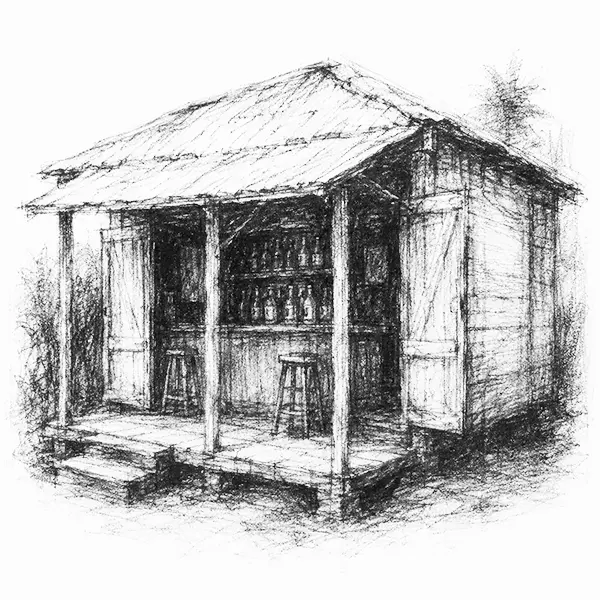
The plainer Bridgetown, the small human corner of it, comes to me through a former colleague who spent a fortnight there once and remembered, as people do, none of the sights and all of the shade. What he described was a rum shop: a wooden shack at a crossroads with its shutters propped open, a shelf of bottles, a couple of stools, and men who were not in any hurry passing an afternoon that had nowhere it needed to be. The island runs on these, he said, more than on any of the beaches the brochures sell — that the sugar the whole place was built on gets turned, in the end, into a drink, and the drink gets turned into an afternoon on a porch, and the afternoon is the thing everyone is actually there for. I have kept that. It is the most useful fact I own about the place, and it is not in any encyclopedia.
A turtle in the shallows off Bridgetown
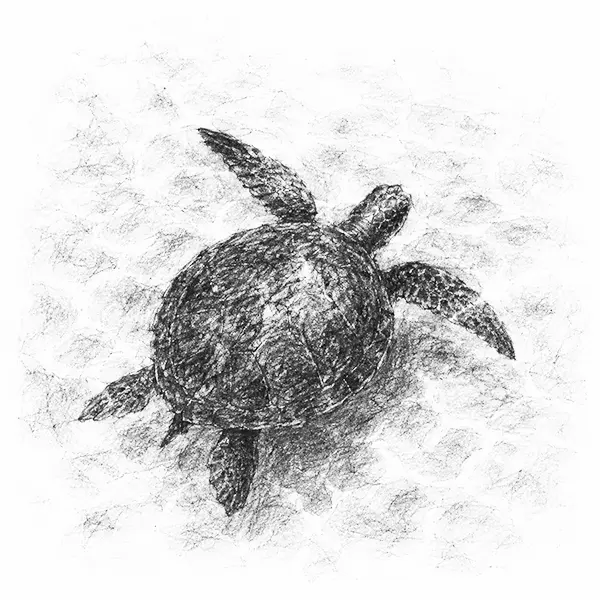
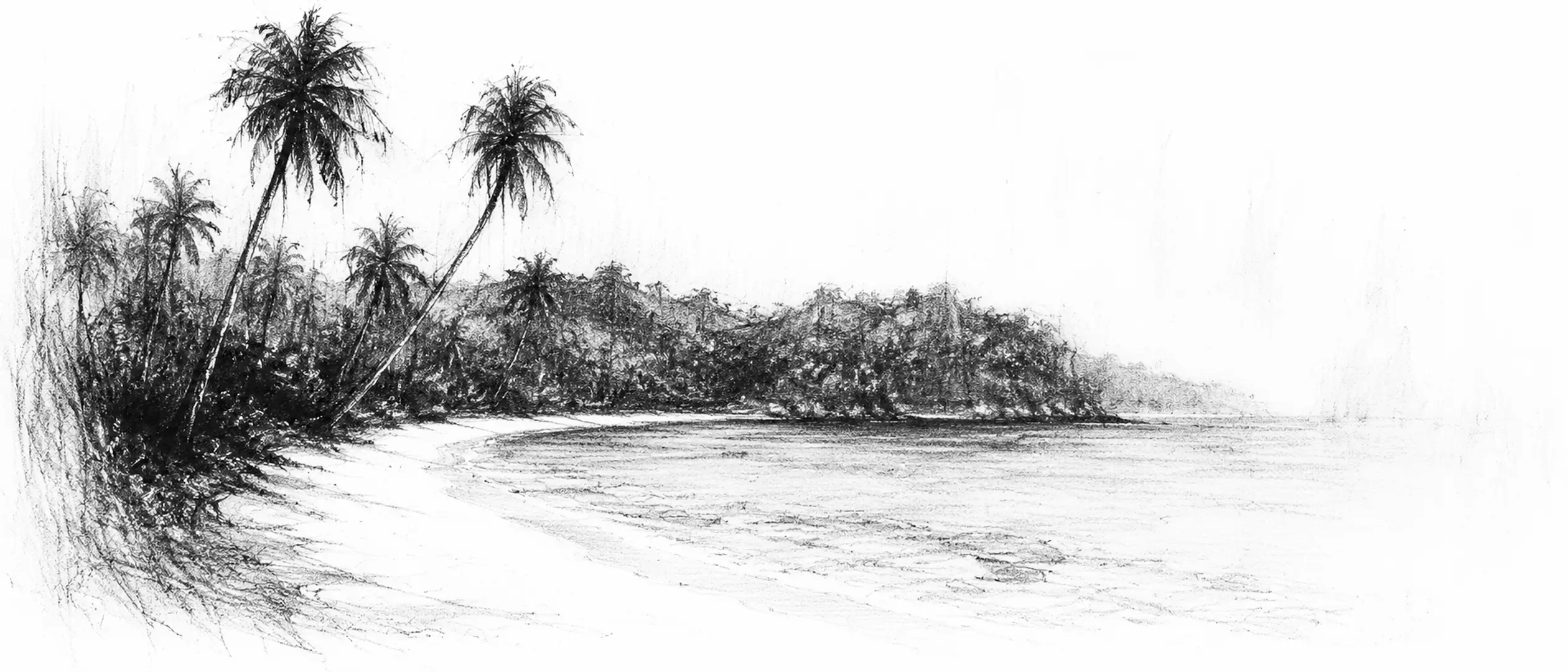
Back to the water, because I always come back to the water. The thing the documentaries cannot resist is the turtles, which come in close to the shallows off the town in numbers, so tame or so indifferent that the swimmers drift among them, and from above — the camera always goes above — you see the pale sand, the turquoise, and the dark unbothered shapes moving through it on wings of their own. Being a man who has spent his life beside a warm brown sea you do not enter for pleasure, I find the idea of a sea you get into simply to be near something, water so clear it hides nothing and warm enough to hold you all afternoon, close to a fairy tale. I have imagined the temperature of it a great many times. That is as near as I have got.
I could go. The passport is in the drawer, on its third renewal, clean as the day it was issued, and Bridgetown is a very long flight and a stamped form and a sum of money I keep promising to nearer things. Nobody is stopping me; the island has been welcoming visitors off ships for centuries and would hardly notice one more. And still I have not gone, year after year, and the not-going has become, as it always does with me, a quiet form of keeping.
So I keep it where the photographs keep it, in the warm bright shallows just off the painted town — the portable houses that learned not to trust the ground, the boats tied along the careenage, the fish that has to leave the whole sea to travel, and the turtles moving through water the colour of a promise. I have never been abroad; Bridgetown is one of the small far places I have decided, for now, to hold at exactly the temperature of a picture, and not spend.
“Bridgetown: capital and chief port of Barbados, the easternmost of the West Indies; the island long given over to sugar, and famed for its flying fish.”
— from a set of travel books once sold to the house, door to door

Leave a Reply