Abroad · never been
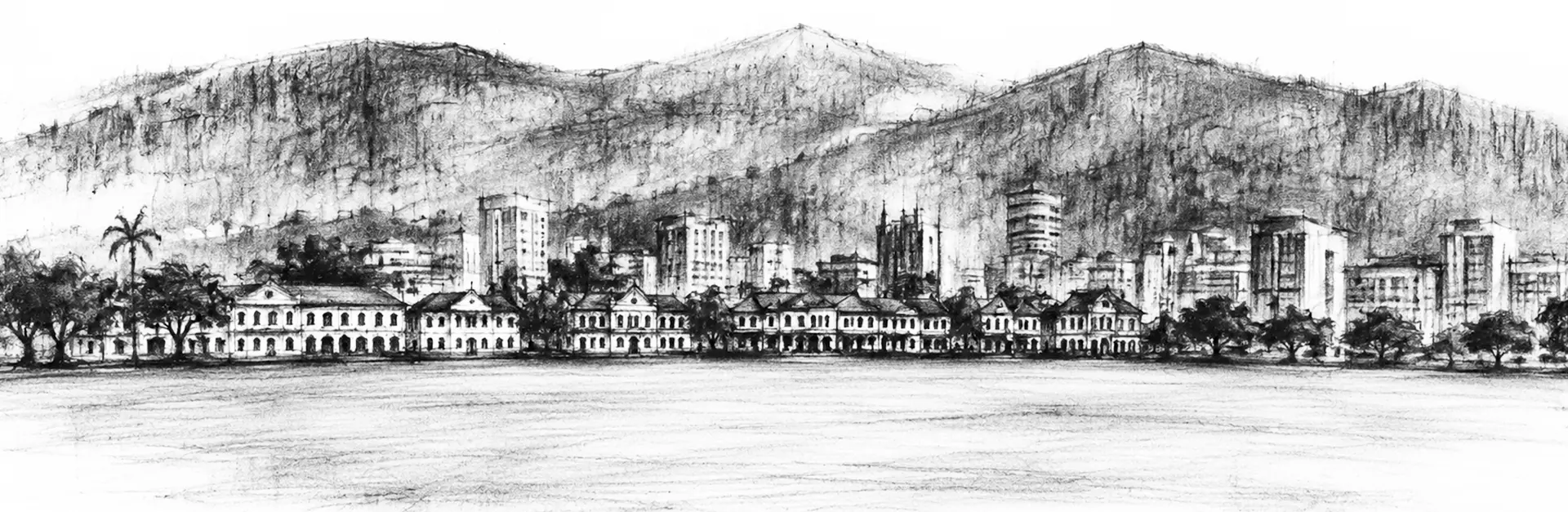
Port of Spain is the loudest city I have never heard. Every account of it, every scrap of footage, arrives with a soundtrack I have to imagine — drums, mostly, and a crowd, and something being celebrated at a volume the rest of the world reserves for emergencies. It is a small capital on a small island off the shoulder of South America, and the one fact that everybody leads with is that a great many peoples were carried or driven to that island over the centuries, from Africa and India and China and Europe, thrown together with no plan and no consent, and that instead of tearing itself apart the place did the improbable thing and made, out of the whole unlikely mixture, a music that did not exist anywhere before.
The Port of Spain I have only ever heard about
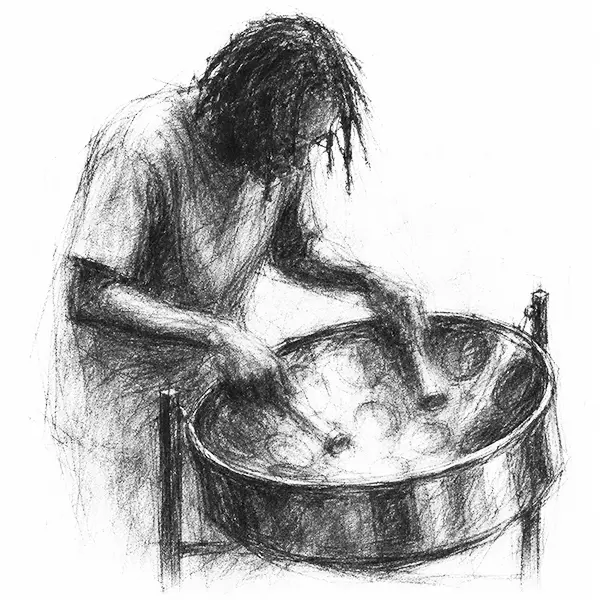
The music came out of a barrel. That is the part I return to, because it is nearly too neat to be true and is nonetheless documented. The people at the bottom of the island’s ladder, forbidden at various times their own drums, took the discarded oil drums the refineries left lying about, beat and tuned the steel of the lids into notes by hand, and built from literal industrial rubbish an instrument capable of carrying a full melody — the only wholly new acoustic instrument, the encyclopedia says with visible reluctance, that the last century managed to invent. In the footage a man bends over one of these pans, sticks a blur above the dented steel, and a sound comes out bright and round and unmistakably tuned, and I have to remind myself I am looking at the bottom of a barrel. A city that answered every instrument taken away from it by hammering a new one out of garbage. I have not stopped thinking about it since I first understood what I was hearing.
The red hour over the swamp
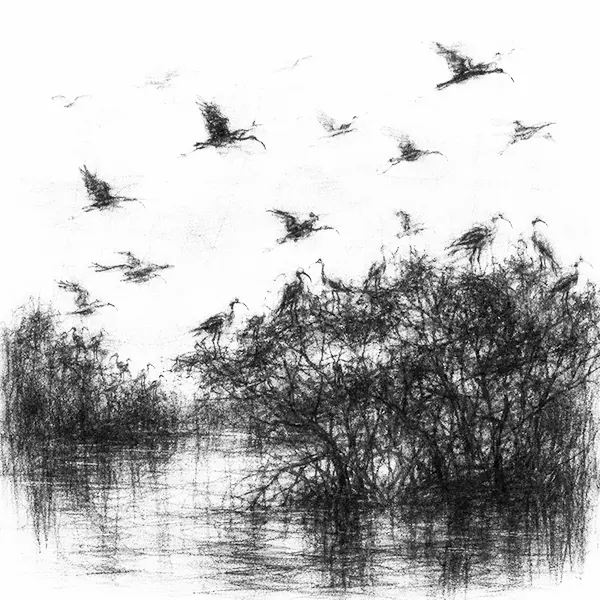
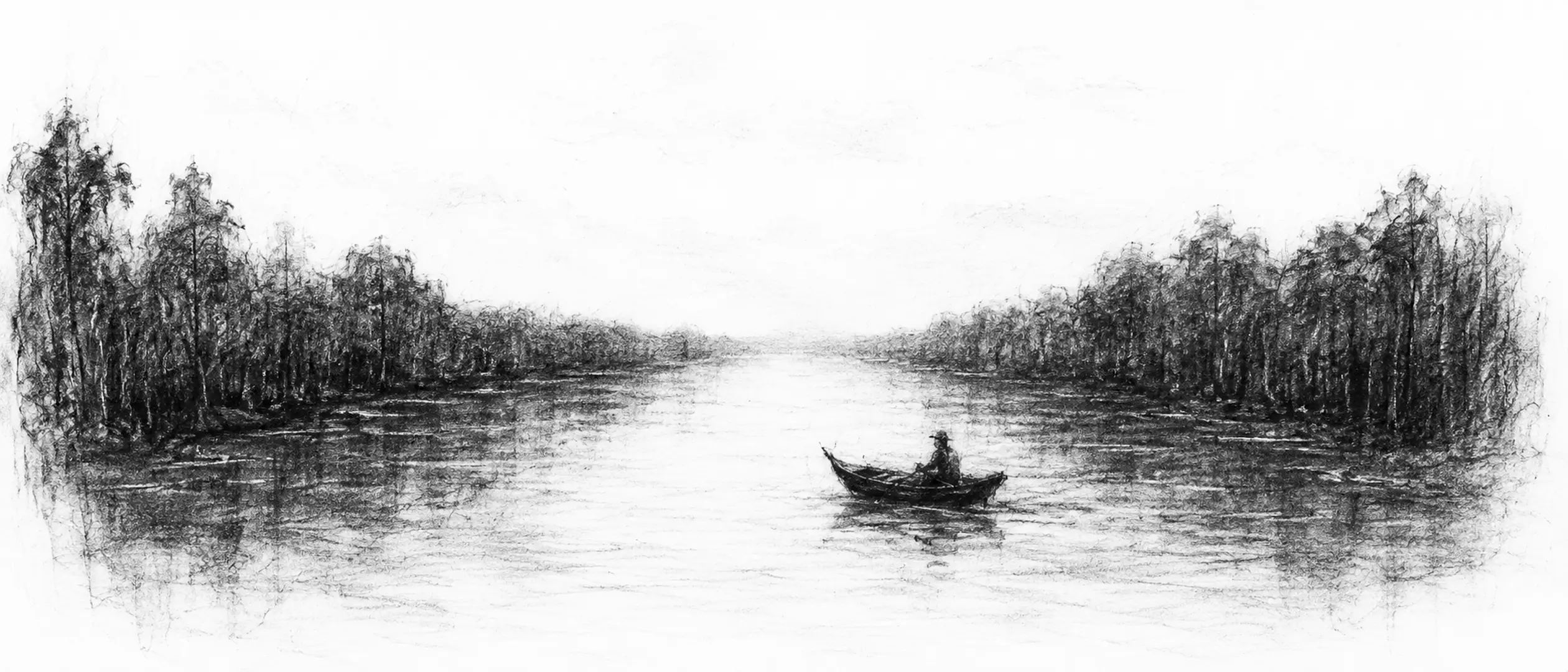
Outside the city there is a spectacle I know only from documentaries and have never quite forgiven the documentaries for showing me, because now I want it. At dusk, over the mangrove swamps at the edge of the island, the national bird comes home to roost — a bird of a red so intense it looks lit from within, a red no wild thing has any business being — and they come in not singly but in flocks of hundreds, settling into the dark green trees until the whole swamp goes from grey to burning as the light drops. The plain explanation, that they take the colour from what they eat in the mudflats, does nothing to reduce it. A drab bay at evening, and then this slow arriving fire. I have watched it happen on a screen more than once and each time felt the specific ache of a thing you know you are seeing at one remove and will probably never see whole.
The bay behind the mountain
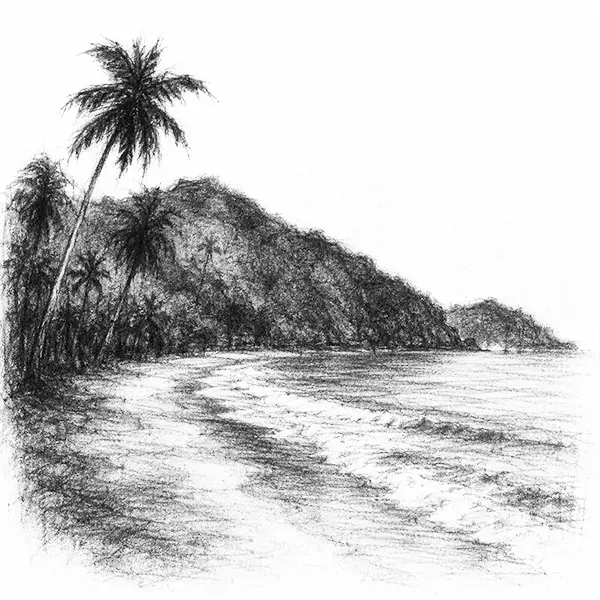
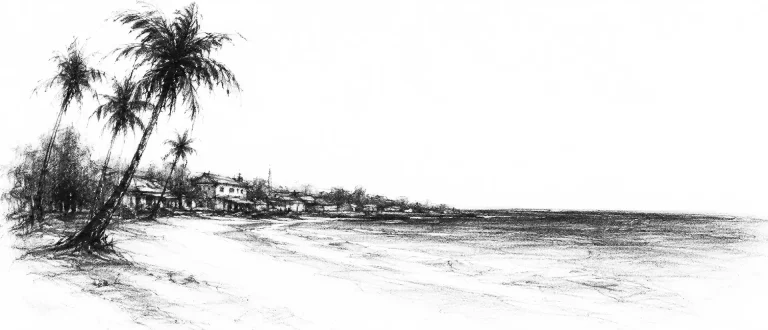
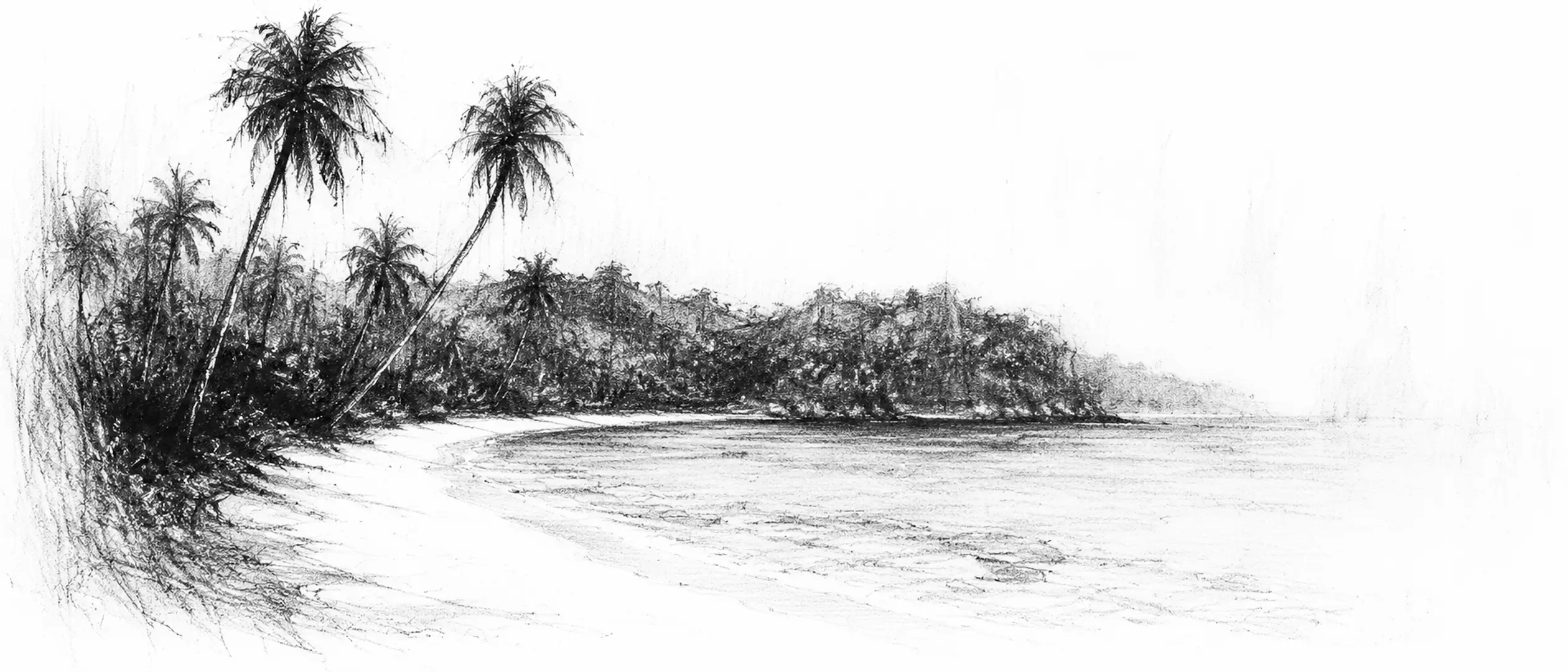
To get to the sea that everyone photographs, I gather, you drive up and over the green mountains at the city’s back — a road of switchbacks through thick forest — and come down the far side to a curved bay held between two steep green headlands, sand and leaning palms and a surf the calm town side never sees. It is the picture every visitor comes home with, and the thing they come home with besides the picture is a memory of eating fried shark folded into fried bread at a stall on the sand, which is apparently the entire point of the journey and not a footnote to it. Being from a coast where the beach is somewhere you go to look at the water rather than get in it, I find this island logic — cross a mountain, reach a wild sea, and mainly eat — deeply agreeable. It is the kind of priority I would like to have grown up with.
Two days Port of Spain becomes something else
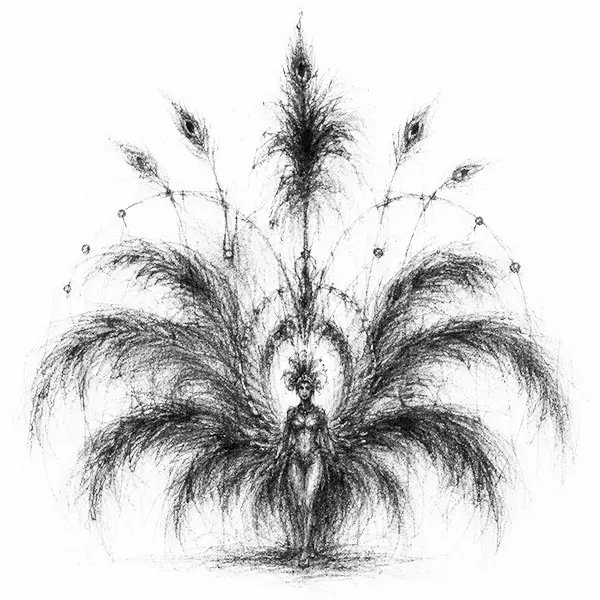
Then the thing the city is most famous for, which is that once a year it stops being a city at all and becomes a carnival. For two days before the fasting season the whole of Port of Spain pours into the streets in costume, and the costumes, in the photographs, are enormous — single figures carrying great spreads of feather and wire and mirror twice their own height, whole bands of thousands moving to the steel and the bass from before dawn until they cannot stand. Every explanation I have read agrees that it began as a mockery — the enslaved and the poor imitating the masked balls of the people who owned them, then keeping the mask and losing the masters — so that the biggest party in that part of the world started life as a joke aimed upward, and became, over generations, simply the thing the island is. A place that turned the memory of its own captivity into the one week a year it is most completely free. I would like to have understood that from the inside, once, before I explain it so glibly from the outside.
The seven strange houses
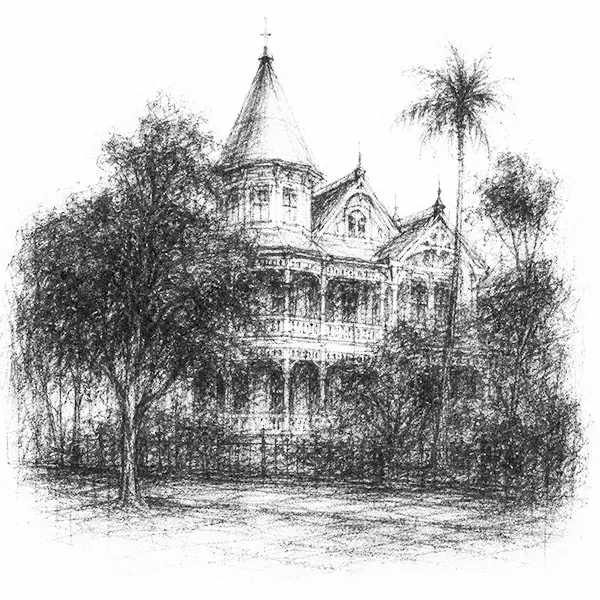
Around the edge of the great open park at the city’s centre — a flat green common the size of a small farm, where the whole town seems to come to walk in the cool of the evening — stand a row of houses the guidebooks call the magnificent seven. They are the follies of men who grew very rich off the island’s cocoa and oil a hundred-odd years ago, and each one is a different impossible dream of somewhere else: a French château here, a fairy-tale turret there, a Scottish baronial pile beside a colonnade that thinks it is in Italy. They are ridiculous and I love them for it, because they are so plainly the architecture of homesickness — men with new money building, on a tropical common, careful copies of the cold countries their families came from and would never return to. I recognise the impulse from the inside. I have built whole cities out of longing for places I have never even left home to miss.
Port of Spain, seen whole from Fort George
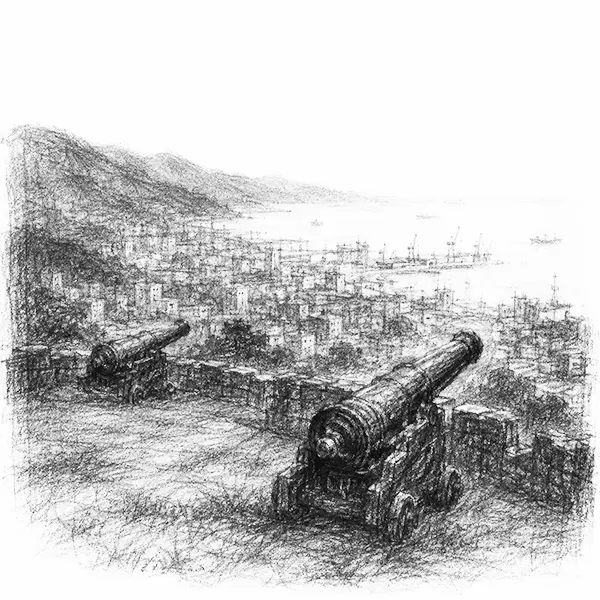
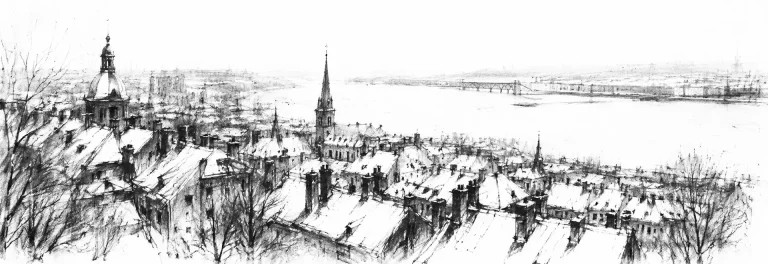
To take the whole of it in at once, I gather, you climb. Above the city stands an old British fort on a green hill, Fort George, its iron cannon still pointing out over a sea no enemy ever crossed, kept now for the single thing it turned out to be good for, which is the looking. From up there every account agrees the entire mixed city lies open below — the great green Savannah, the rooftops running down to a hazy harbour of cranes and anchored ships, and behind your shoulder the forest climbing the range. A fort that never fired a shot in anger, earning its keep at last by letting a person stand where the sentries stood and take in, in one slow turn of the head, the whole improbable place that grew up under its guns. It is, I suspect, the only way I will ever hold Port of Spain: whole, from above, and from a safe distance.
The thing that reaches me most directly, though, is smaller, and sold on the corners in the morning: two soft pieces of fried bread folded around a spoon of curried chickpea, the everyday breakfast of the whole island. The bread and the spice in it I know from my own kitchen a sea and half a world away, because the people who first made it were carried to Trinidad from India generations back and never brought it home — a thing off my own mother tongue’s table, gone to sea, landed on the far side of the earth, and grown so at home there that the island claims it now without a second thought. I have eaten a version of it my whole life and never once left the country that invented it.
I could go. The passport is in the drawer, on its third renewal, clean as the day it was issued, and Port of Spain is a very long flight and a stamped form and a sum of money I keep spending on nearer, quieter things. Nobody is stopping me. And still I have not gone, year after year, and the not-going has settled, the way it always does with me, into something closer to keeping than to regret.
So I keep it where the footage keeps it, loud and warm and out of reach — the melody hammered out of a barrel, the red birds coming home to the swamp, the wild bay behind the green mountain, the feathered giants filling the street, the homesick mansions around the great park, the whole mixed city laid out below an old fort’s silent guns, and the little parcel of bread on the corner that crossed an ocean before I was born and beat me to it. I have never been abroad; Port of Spain is the loud far city I have decided, for now, to go on hearing only in my head.
“Port of Spain: capital of Trinidad and Tobago, in the West Indies off the coast of Venezuela; noted for its carnival and as the birthplace of the steel drum.”
— from an old almanac, somewhere between the tide tables and the kings

Leave a Reply