Abroad · never been
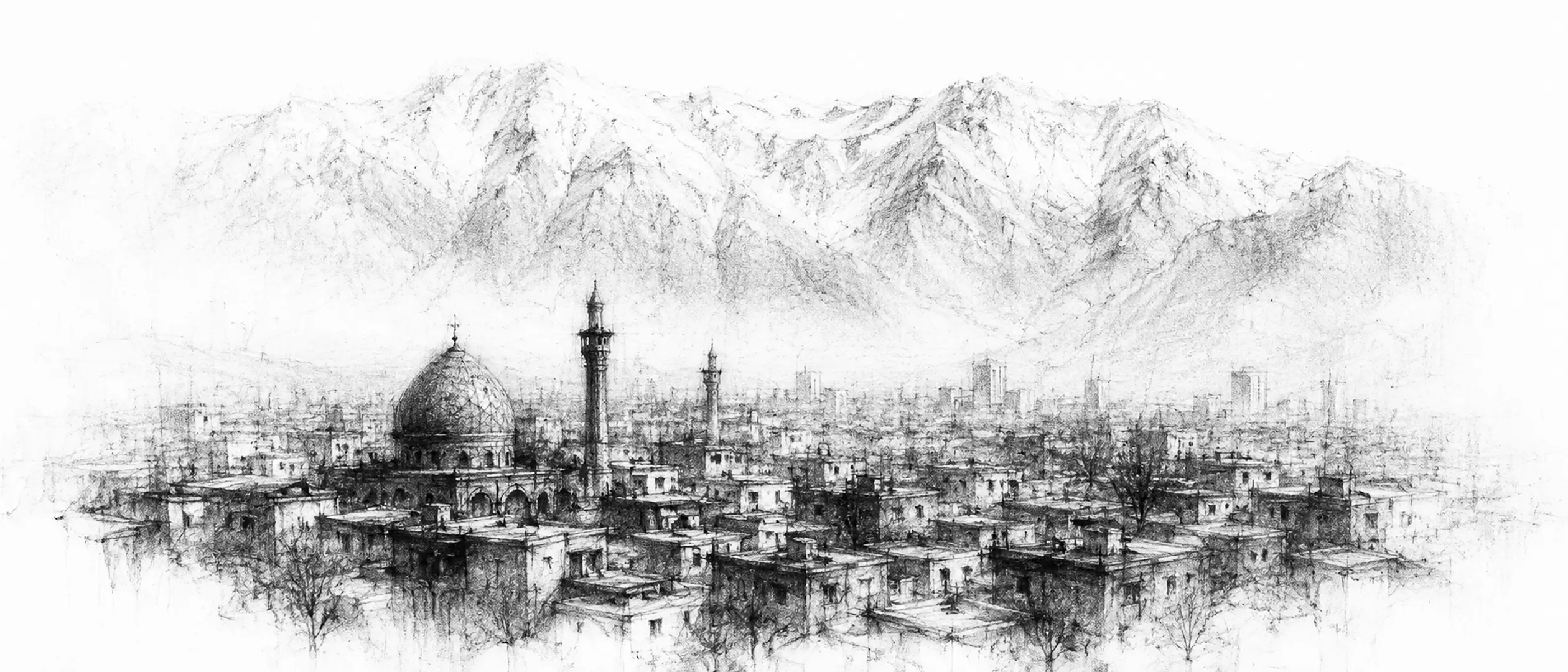
I dream of Tehran, though the world has agreed to show it to me only as a problem. It arrives in my life the way it arrives in most people’s, wrapped in the news, in flags and slogans and the grim grammar of crisis, a name that turns up in a headline and never in a daydream. Underneath that loud and angry surface there is an older, quieter thing I have wanted to see for as long as I have known it was there. Persia, the actual country, with its gardens and its blue tile and its poetry and its snow over a desert plateau. A city is not the politics of its era. It is built of stone and water and people, all three of which long predate the headline and will outlast it. That is the Tehran I dream of, and it is harder to reach than any ocean.
I should say plainly what I am not doing here. I am not taking a side, and I am not interested in the quarrel. I have neither the standing nor the wish to referee other people’s furies. What I have is a simpler, almost childish hunger: to see the place under the place, the Persia of the encyclopedia and the documentary and the photograph, made of tilework and tea and mountains and ten centuries of poems, without first being made to pass an examination on the present. That this has become nearly impossible, that the border is now one of the hardest I could choose, harder for a man with my passport than most, is exactly the kind of obstacle that makes a longing sharper rather than softer.
The snow above Tehran
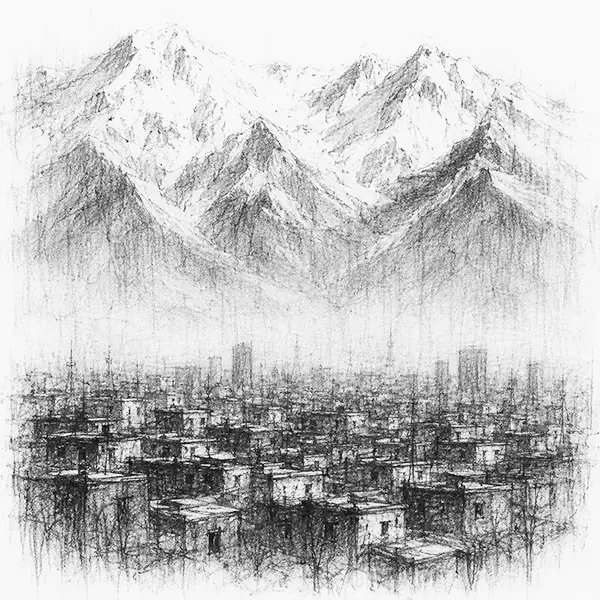
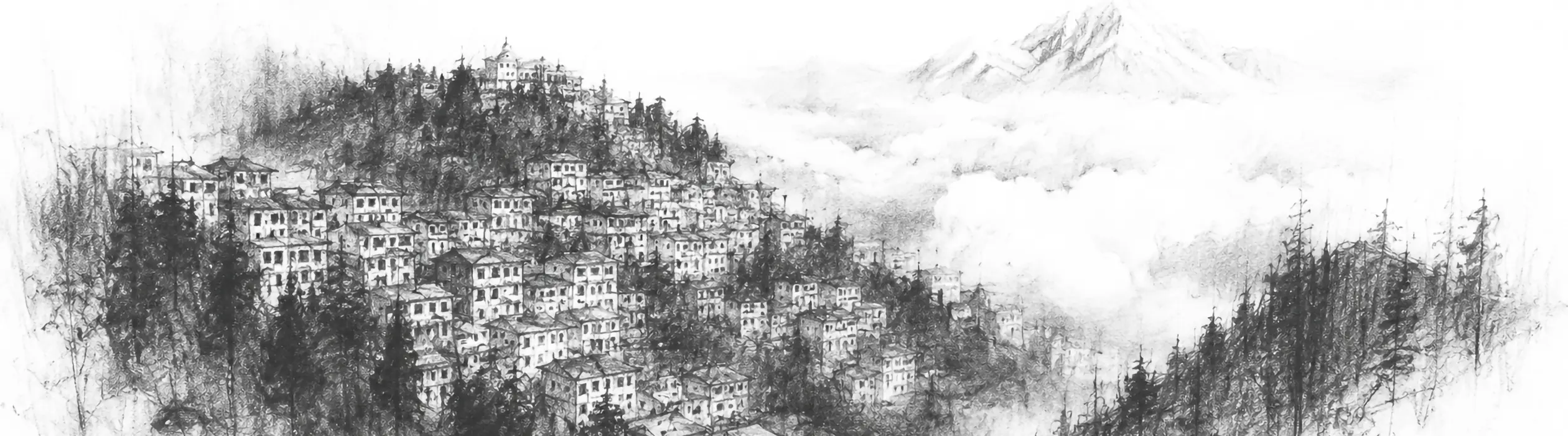
The first thing, always, is the mountains. The city sits at the foot of a great wall of them, high and snow-capped for much of the year, so the people there live with a line of white peaks standing over their dry brown sprawl, a city of heat and dust with winter permanently visible just above it. I am undone by that kind of contradiction, the way I am undone by steam over a cold country or the desert beside the sea. To live in a hot low city and look up, always, at snow seems to me a daily lesson in something I cannot quite name. I would like to stand in a dusty street and feel the cold coming down off those peaks.
The blue with a name in every language
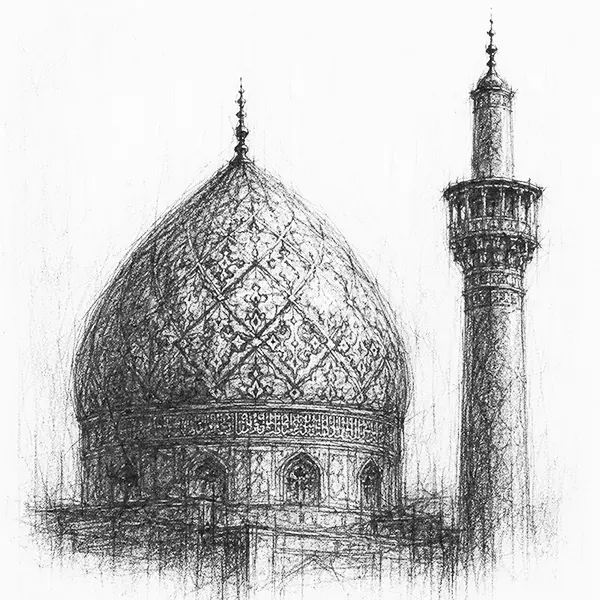
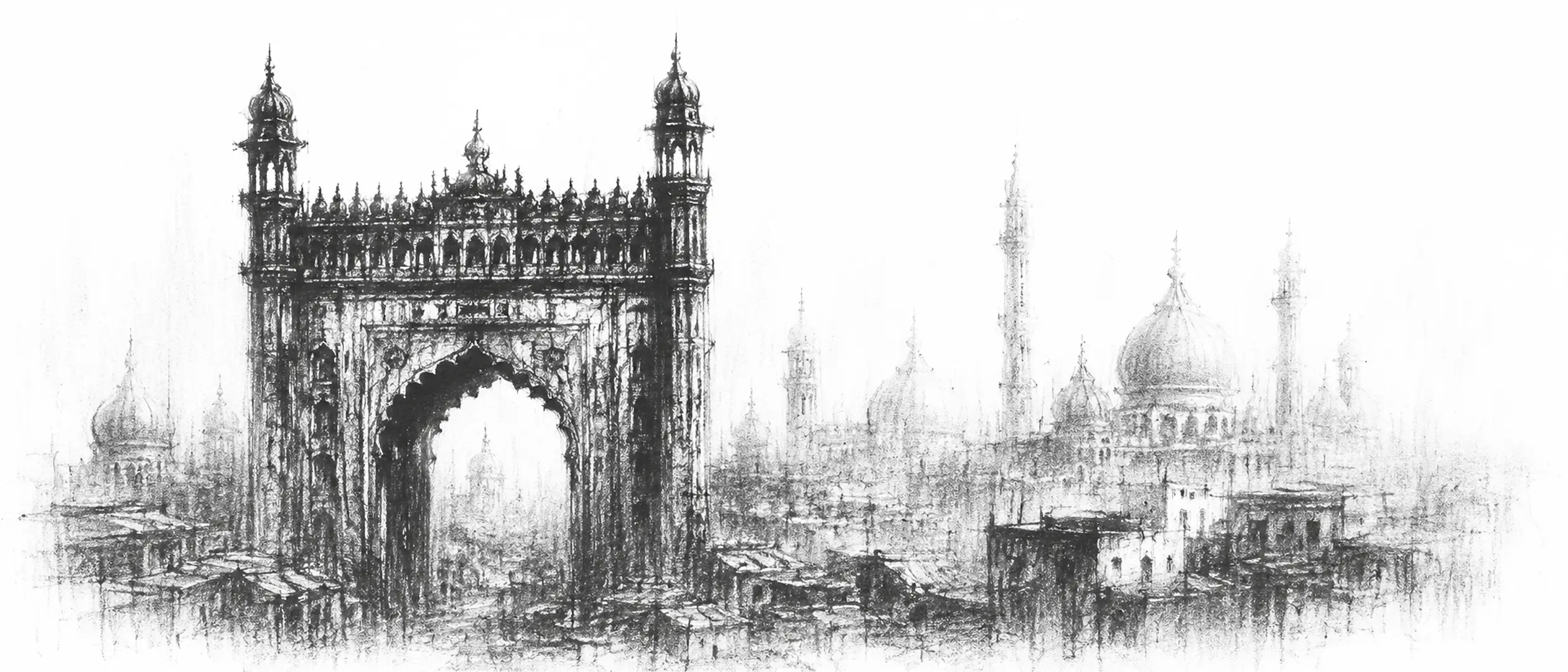
Then the blue — the particular blue the country puts on its great buildings, domes and gateways covered in glazed tile in a blue so deep and so specific it has a name in half the world’s languages, set with white and turquoise into patterns that go on without repeating until your eye gives up. I have seen it only in photographs, where even flattened and reproduced it stops me. A people who decided, centuries ago, that the holiest and grandest things should be sheathed in that exact blue, geometry without end, has made something I want to stand inside the way you want to stand inside music. My charcoal can only give you the pattern and the shape; the blue you will have to take, as I have always had to take it, on faith.
Paradise was a walled garden
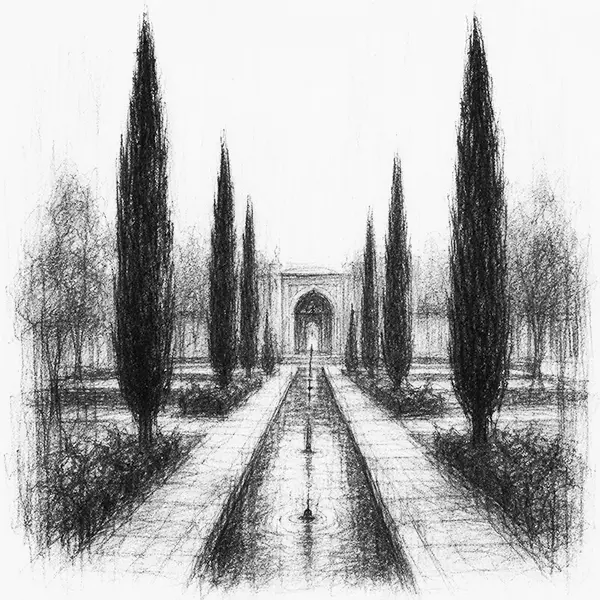
And the gardens, which may be the deepest thing of all, because the very idea of a garden as paradise came partly out of that dry country — a walled green enclosure with water running down a long straight channel and cypresses standing along it, shade and the sound of water deliberately made in the middle of a hot dusty plain. The word we use in half the world for paradise is, I gather, their word for such a garden. A civilisation that, surrounded by desert, decided that the highest picture of heaven was a walled garden with a watercourse, has understood something about longing that I recognise in my bones. I have spent my life in heat. I would sit by that channel for a very long time.
The vaulted bazaar of Tehran
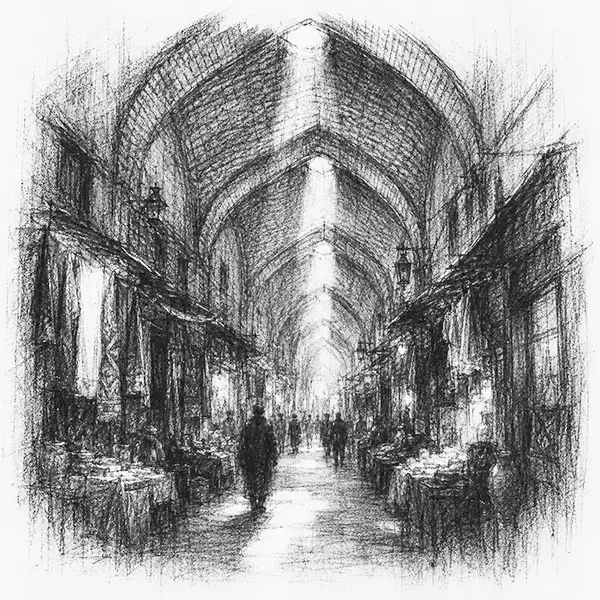
The great covered bazaar is the city’s other heart — miles of vaulted brick lanes, arch after arch, where the light falls in shafts from holes in the roof and the trade in carpets and spices and copper and gold has gone on, more or less unbroken, for centuries. I love a covered market more than almost any monument; it is where a city is most itself, least on its best behaviour, busiest with the actual business of living. I would lose a whole day in those lanes, buying nothing, watching everything, drinking the tea they would press on me whether I bought or not.
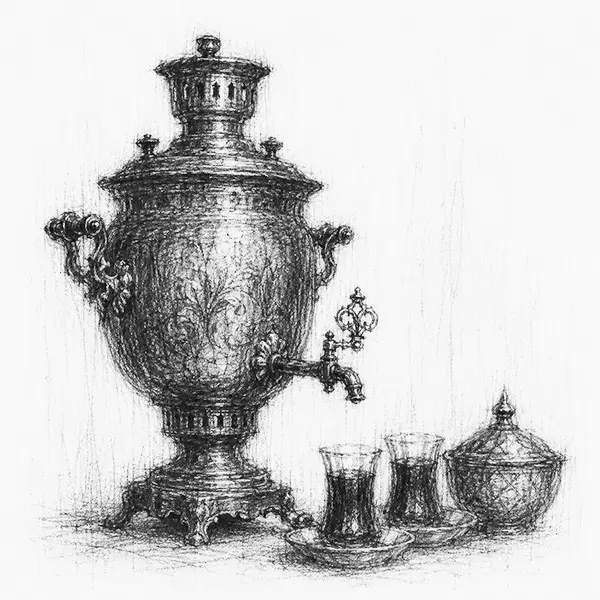
For it is a tea country, and a particular kind of tea country — small glasses of it, dark and strong, taken with a lump of sugar held in the teeth, offered to you everywhere and constantly, the universal currency of welcome. I have read enough and heard enough to know that the politics of a place and the hospitality of its people are very often two entirely different things, frequently opposite ones, and that the surest way to mistake a country is to meet only its government. I would like to be handed that glass of tea by an actual person, in an actual room, and find out, as travellers always do, that the headline was the smallest and least true thing about the place.
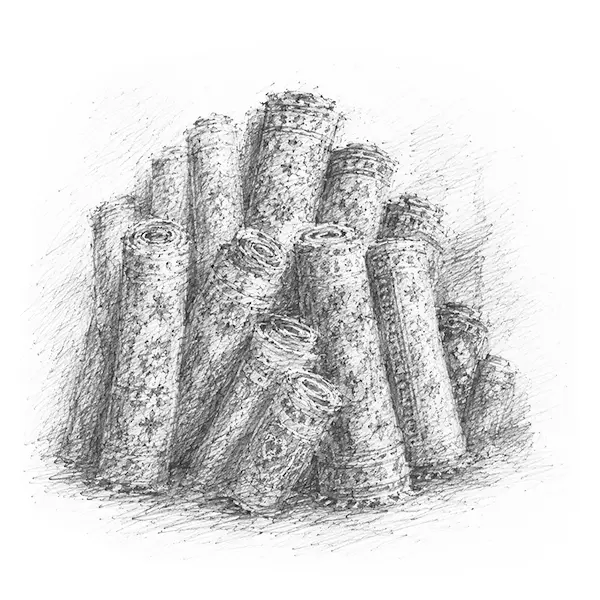
And the carpets, of course — the thing the country’s name is half-synonymous with, woven by hand over months and years, whole gardens and hunts and heavens knotted into wool, so that a family might own a single floor-sized paradise and hand it down for generations. I grew up in a part of the world that knows the worth of such a thing, where a good carpet is a serious possession. To stand among stacks of them in the city that perfected them, and to understand, even a little, what I was looking at, is a quieter ambition than the mountains or the tile, but no less real.
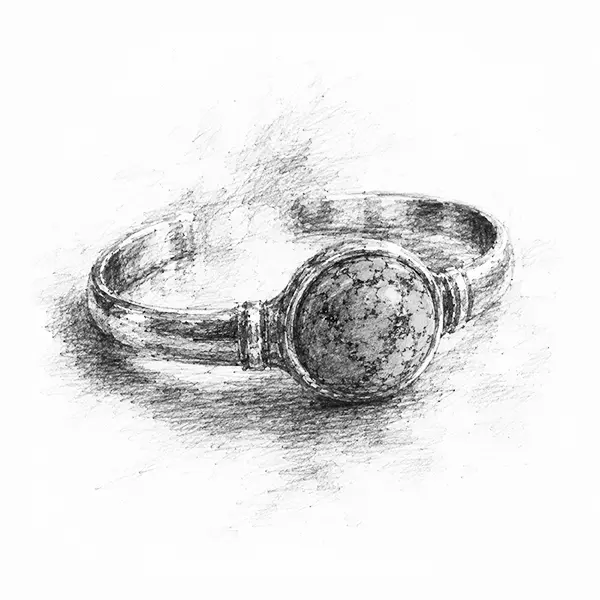
I will confess to one very specific want, almost a souvenir-shaped one, which embarrasses me slightly and which I find I cannot let go of. I would like to come back from that country with a piece of its turquoise — the real Persian stone, the blue-green firoza that the place has mined and prized for thousands of years — set into a simple silver bracelet I could wear. It is a small, ordinary, almost touristy desire, and I do not care. We wear that stone in my own country too; it has travelled the old roads for centuries. To carry a little of the actual Persian blue home on my own wrist, the stone matching the tile and the sky and the name of the place, feels like exactly the kind of small physical proof a man like me, who deals mostly in pictures and rumours, would want of having finally, once, been.
So Tehran sits at the far, difficult edge of this collection — not across an ocean but across something harder, a border the present has made nearly shut, to a country I want for its oldest and gentlest things and am shown only its angriest. The obstacle here is more than the usual failure of nerve; it is real, and political, and not mine to wish away. But the longing underneath it is the plainest I have: to see the snow over the dusty city, to stand in the blue, to sit by the water in the walled garden, to be handed the glass of tea — and to come home, perhaps, with a small blue stone on my wrist, the colour of a country I was finally allowed to see for what, under everything, it actually is. I have never been abroad, and it is a strange border to want to cross first, but it is the one I keep dreaming past.
“Tehran: capital of Iran, lying at the foot of the snow-capped Alborz mountains on the northern edge of the central plateau; the country, historic Persia, is long noted for its tilework, its walled gardens, its poetry, and its carpets and turquoise.”
— from a guidebook I bought for a journey I never made
Leave a Reply