Abroad · never been
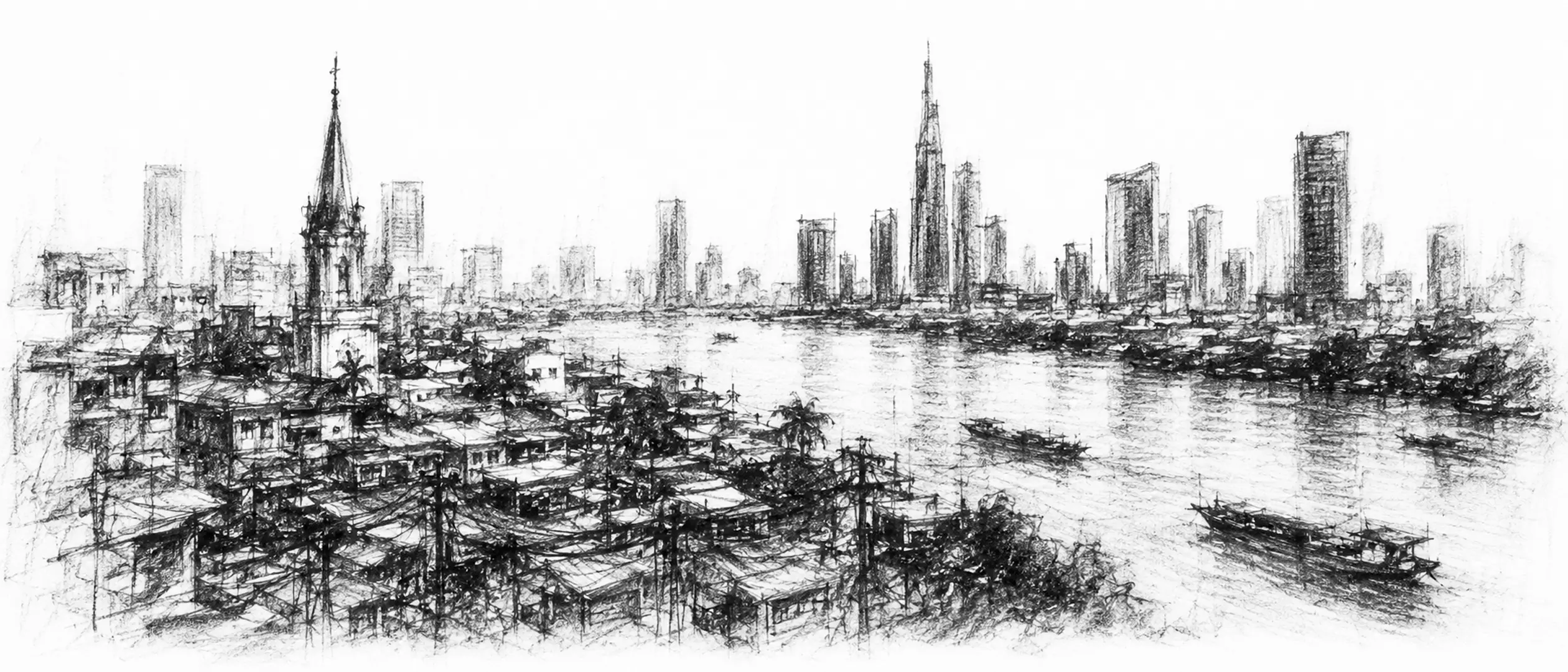
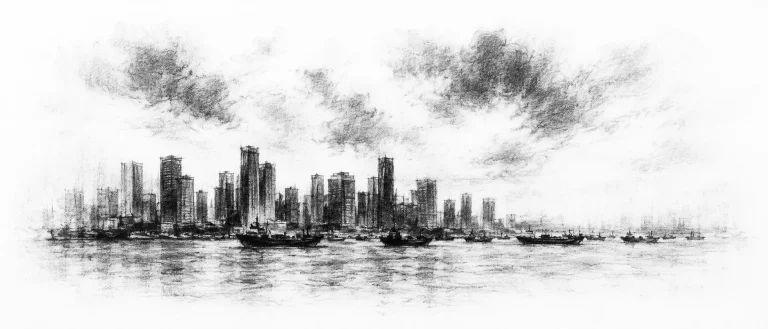
I knew the name Ho Chi Minh City long before I could have found it on a map. I grew up with it on the news, under its older name, in the middle of a war the whole world was arguing about. Most people my age still half-think of it as Saigon. It is a hot, low, crowded city on a brown river, a place of a million scooters and old French stone. Ho Chi Minh City is not near me, though the map makes it look almost a neighbour. A flight, a visa, a fare always wanted nearer home. That is what abroad is to a man with my passport. But it pulls at me the way a place does when you have carried its name since childhood without once seeing its streets.
What draws me is the doubleness of it — a city that came through something terrible within living memory and answered it, from everything I can tell, with sheer noise and motion and appetite, scooters and street kitchens and markets, an enormous energy laid straight over a heavy history. I remember the war as a boy remembers a thing on a screen: grainy, far away, frightening in a way I could not place, the name of the city said over and over by serious men. And then, somehow, it became an ordinary place again, a place people go to eat and trade and ride scooters, and the two ideas of it have never quite settled together in my head. I would like to stand in it and let them.
I have the place the way I have all of them — documentaries above all, the long sober ones about the war, kept at the distance of history; films; photographs; a former colleague who broke a journey there once and came back talking mostly about the food and the traffic. Between them they have built me a city of heat and wires and engines, of low colonial buildings going gently to seed under tropical damp, of pavements that are really kitchens. I have never crossed one of those impossible roads. I think I would have to be taught how.
Crossing Saigon’s river of scooters
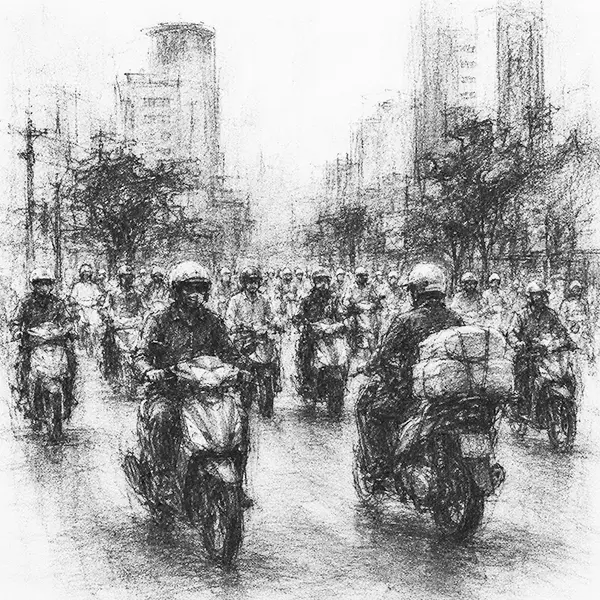
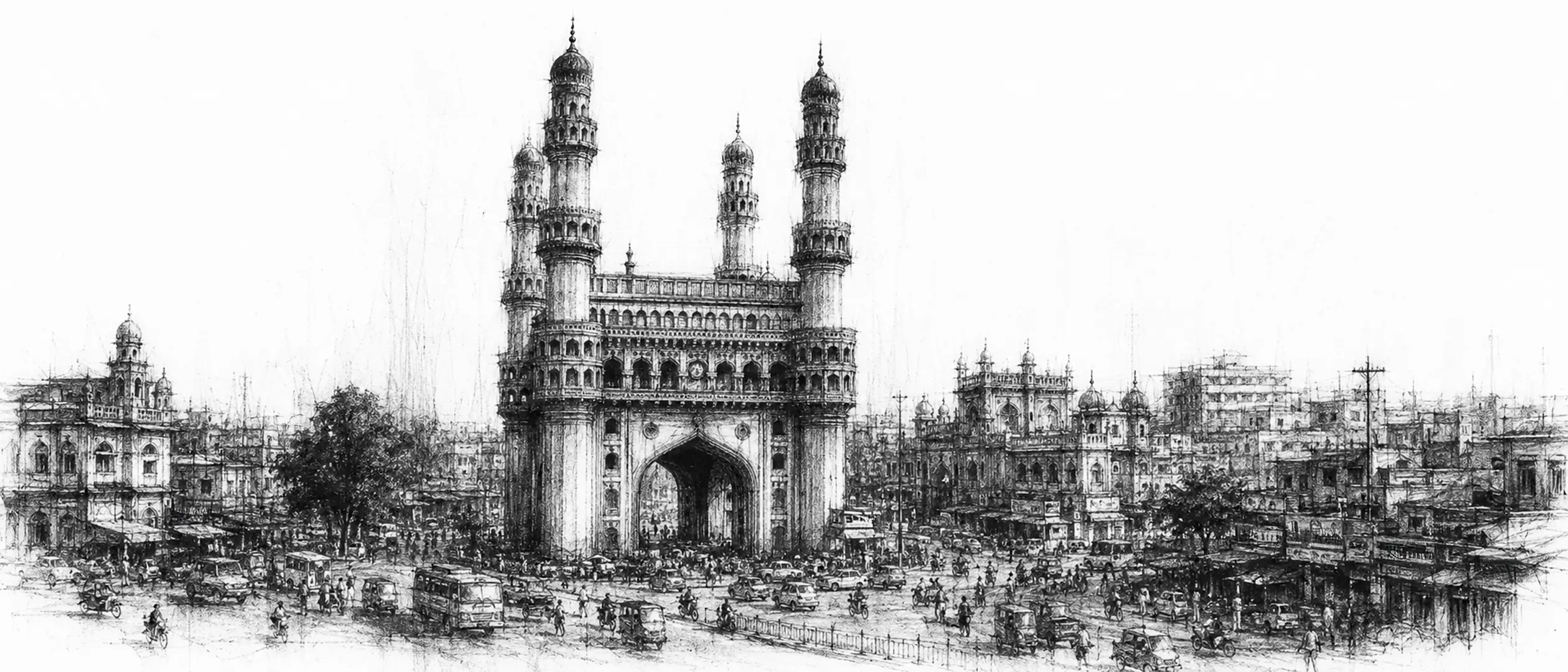
The first thing in every account is the scooters — not a few, but a river of them, thousands at a junction, a flood of small engines moving together like a shoal of fish, somehow never quite colliding, carrying whole families and impossible loads, flowing around anything in the way rather than stopping. They say the trick to crossing the road is to walk slowly and steadily into the flood and let it part around you, never to run, never to freeze. I am charmed and terrified by that in equal measure — a whole city that runs on trust and momentum and a refusal to stop. I would stand at the edge of one of those junctions for a long time working up the nerve, and then walk out into it, slowly, and trust the shoal.
The bones a vanished empire left
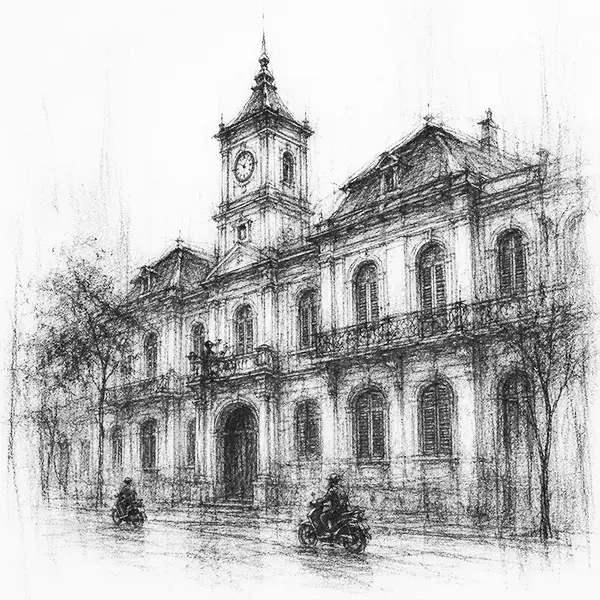
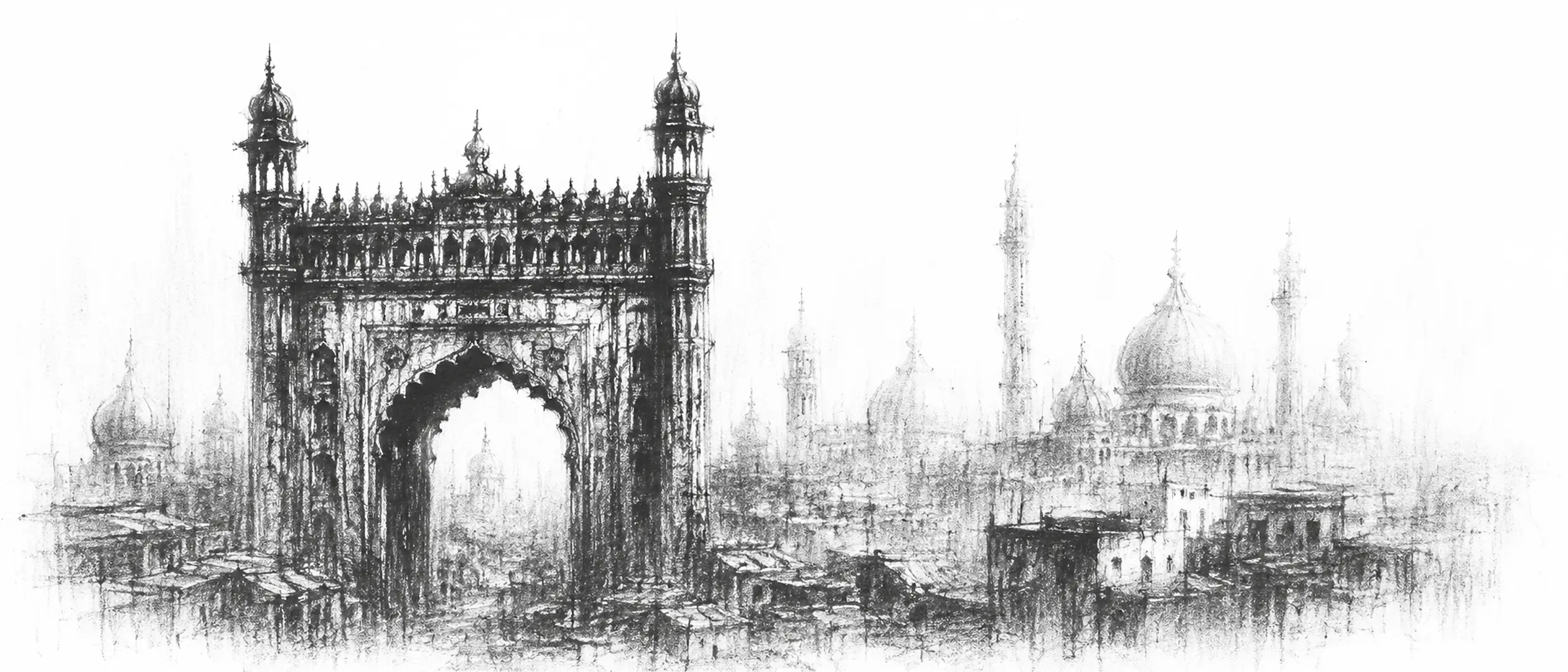
In among the engines and the wires, the French bones of the place — a grand old post office, a cathedral of red brick, shuttered villas with wrought-iron balconies going green at the edges, the leftover architecture of a vanished empire standing incongruous in the tropical heat. I am drawn, as I always am, to the buildings a departed power left behind, the way they sit slightly wrong in the climate and the crowd, too cold and too formal for the place, slowly being taken back by damp and creeper and ordinary use. I would like to stand in the cool of that old post office, under its iron and its high ceilings, and feel how a building can outlast the whole idea that built it.
Ho Chi Minh City – Where the pavement is a kitchen
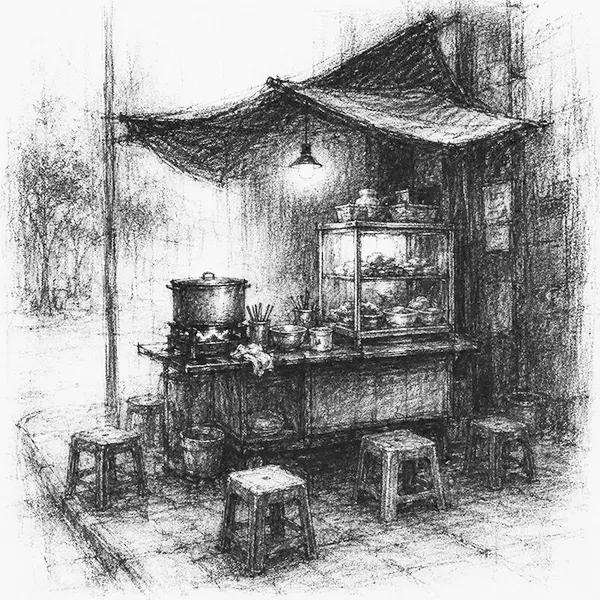
And the pavements, which are really kitchens — a stall on every corner, a pot and a flame and a glass case, a cluster of tiny low plastic stools set out on the concrete where people sit almost on the ground to eat, knee to knee with strangers, in the heat and the engine-noise. A whole culture of eating out of doors, low down, in the street, cheaply and constantly. I love that more than almost anything I have read about the place — the idea that the city’s best food is not in its rooms but on its pavements, served from a cart to a plastic stool, and that you eat it crouched in the middle of everything. I would lower myself onto one of those absurd small stools and eat whatever the pot was offering.
The bowl of soup at a low stool
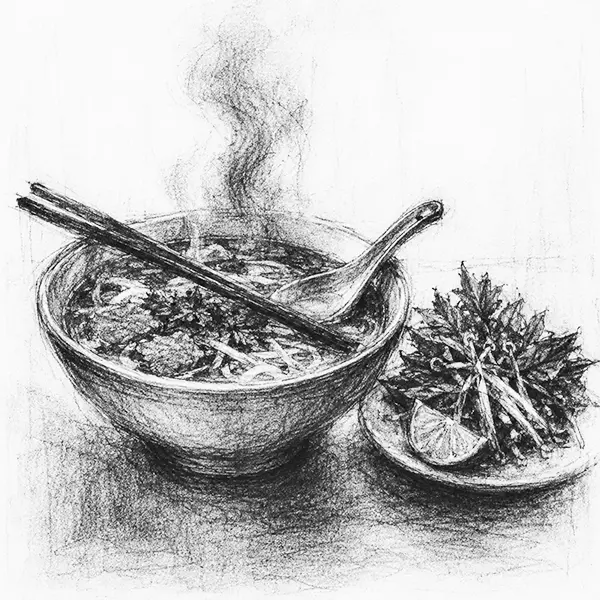
Above all the bowl of soup — a clear beefy broth poured over soft rice noodles, with herbs and a squeeze of lime and a heat you add yourself, eaten at any hour, for breakfast as readily as for dinner, the whole country’s comfort in a bowl. I have had its travelled versions, in cities far from where it belongs, and liked them, and known all the while that I was getting a translation. The thought of the real thing, at a low stool on a hot morning, the steam coming up into an already-warm day, made by people who have been making it that way forever, is exactly the kind of small specific hunger that I suspect would finally get me onto the plane, where all the grander reasons have failed.
Quiet, in a Ho Chi Minh City pagoda
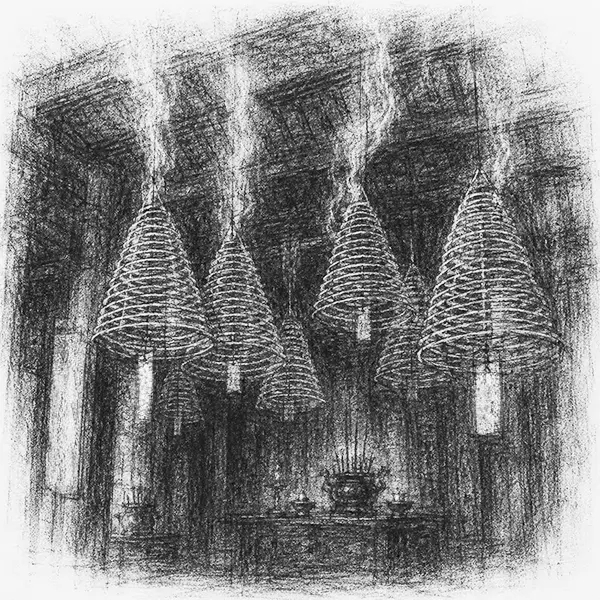
Away from the noise, in the cool dark of the old pagodas, the incense — great spirals of it hung from the ceilings, slow-burning coils turning in the dim smoky air, each one carrying somebody’s wish, dropping fine ash as it goes. After the engines and the heat and the crowd, a dim room full of slowly turning smoke and quiet, a different kind of time entirely. I am always grateful for the still, shadowed room at the centre of a loud city, the place built for slowness in the middle of all the speed. I would stand under those hanging coils and breathe the smoke and let the roar of the streets drop away for a while, and be glad the city kept somewhere to be quiet in.
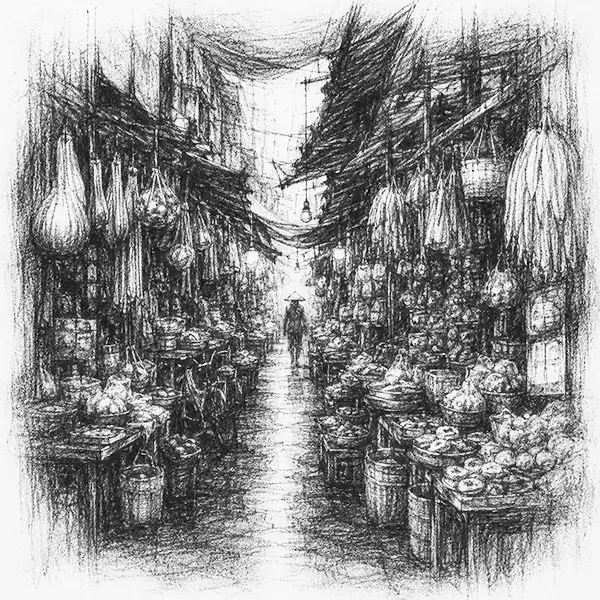
And the markets — long covered alleys packed tight with everything a city eats and wears and uses, hung from the rafters and piled on every side, narrow lanes you turn sideways to pass through, the smell of dried fish and herbs and engine-oil all at once. I am drawn to the dense working insides of a place, the parts that are not arranged for visitors, the alleys where the actual trade of living goes on. A market like that is a city showing you, with no shame and no display, exactly what it eats and needs. I would get lost in one on purpose and let it overwhelm me, and buy something I had no use for just to have bought it there.
So Ho Chi Minh City takes its place among the far cities — the one whose name I have carried since I was a frightened boy in front of a screen, and never once walked into. There is no good reason I have never gone, only the ordinary ones: the flight, the visa, the fare always wanted closer to home, the habit of meaning to and not. It is a hot riverine city that came through a terrible thing and answered it with appetite and engines and noise, and I have held its old wartime name in my head for most of my life without ever crossing one of its roads. One of these years I should make the way east, and stand at the edge of the scooter-flood and walk slowly out into it, and sit on a tiny stool over a bowl of soup in the steam of a hot morning, and let the two ideas of the place finally settle into one. I have never been abroad; the city I have carried longest stays a name, a fear, and a bowl of soup I have never tasted.
“Ho Chi Minh City: the largest city of Vietnam, on a river near the Mekong delta, formerly known as Saigon; a hot, crowded commercial centre noted for its French-colonial buildings, its markets, its street food, and its dense scooter traffic.”
— read once off a library shelf and never quite given back


Leave a Reply