Abroad · never been
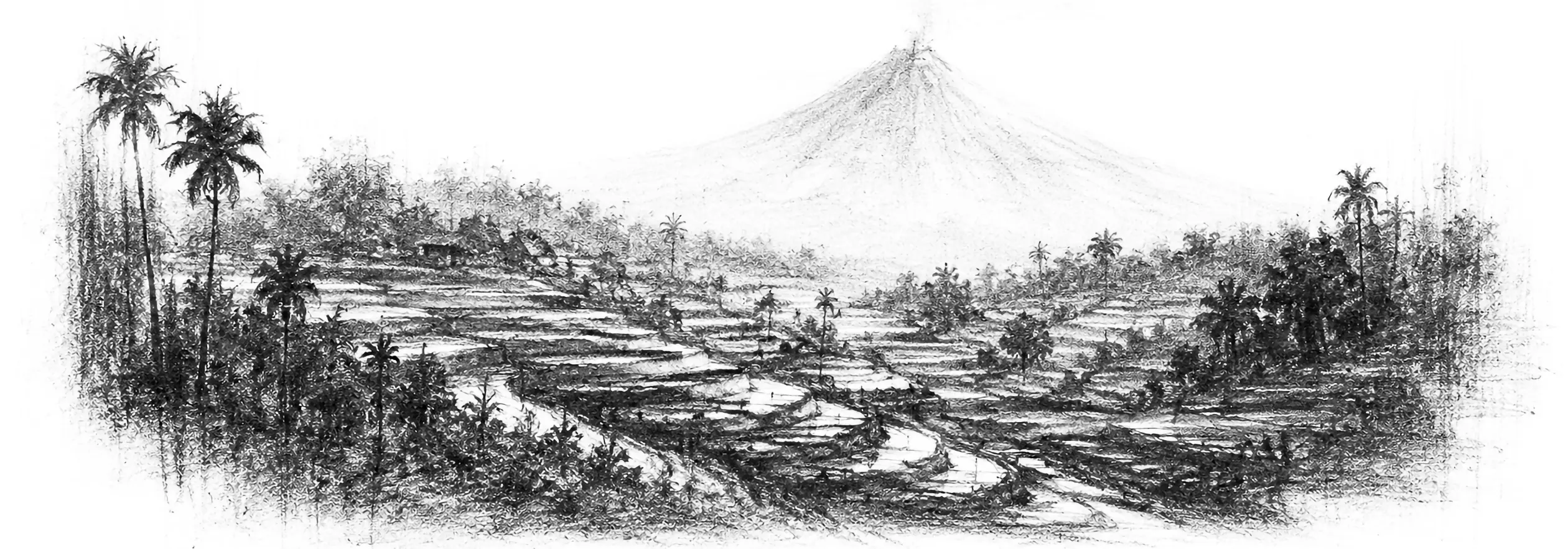
I have wanted to go to Bali for years, a small green island deep in a chain of thousands that kept the old faith when everything around it changed. A Hindu island in the middle of the largest Muslim country on earth, terraced and volcanic and wet, where temples stand in the rice fields and offerings are set out on the ground every morning. It only looks near on a map. Really it is a long flight down and across, a visa to arrange, a fare I keep spending closer to home, abroad in the full sense that all of abroad is abroad to a man with my passport. And it pulls at me in a way the others do not, because what waits there is a cousin of my own religion, grown up entirely apart from it on the far side of an ocean.
That is the strangeness I keep circling. I was raised inside a Hinduism of a particular crowded northern kind, and here is the same root faith carried over the sea centuries ago and left to become something else. Its own gods and temples and festivals, its own rice-and-water version of things I half recognise, familiar and foreign in the same glance. To meet your own faith wearing clothes you have never seen, in a green place utterly unlike the plains it came from, must be a peculiar feeling, equal parts homecoming and bafflement. I would like, just once, to stand in a temple that is somehow mine and not mine at all, and feel both of those things at once.
I have Bali the way I have all of them: documentaries, photographs, other people’s holiday photographs above all, the films that use that green for a backdrop. Between them they have built me a place of wet stepped green and grey stone, of incense and frangipani, of mist sitting in the paddies at dawn and a volcano standing over everything. I have never had one of those little woven offerings pressed into my hands, or stepped over one on a pavement. I feel I know exactly how lightly it would sit there, already half coming apart.
A temple at the edge of Bali
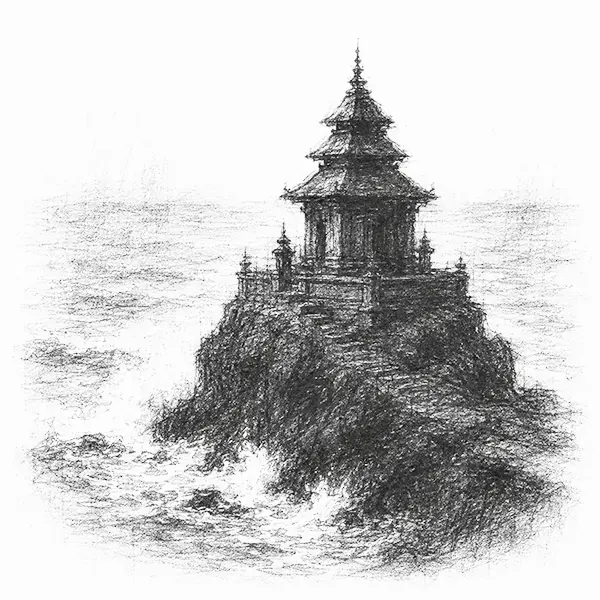
The image of Bali I cannot get out of my head is a small temple built out on a rock just off the shore — a dark tiered shrine standing on its own little island of stone, cut off by the tide, the surf breaking white all round it, reachable only at low water. A holy place put deliberately where the land ends and the sea begins, half belonging to neither. I am always drawn to the far edge of things, the last lit point before the open water, and here is a whole temple built on exactly that line, on purpose, by people who understood that the edge is the holy part. I would walk out to it across the wet rock when the sea let me, and feel the spray come up while I stood somewhere that was nearly the sea.
The gateway that is a cut
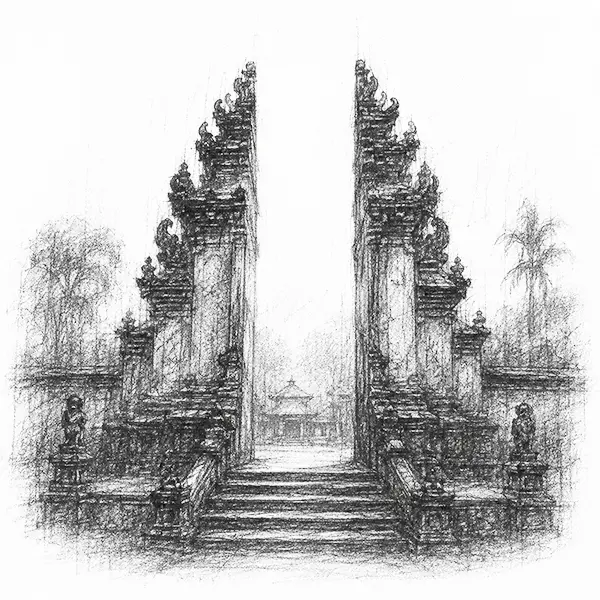
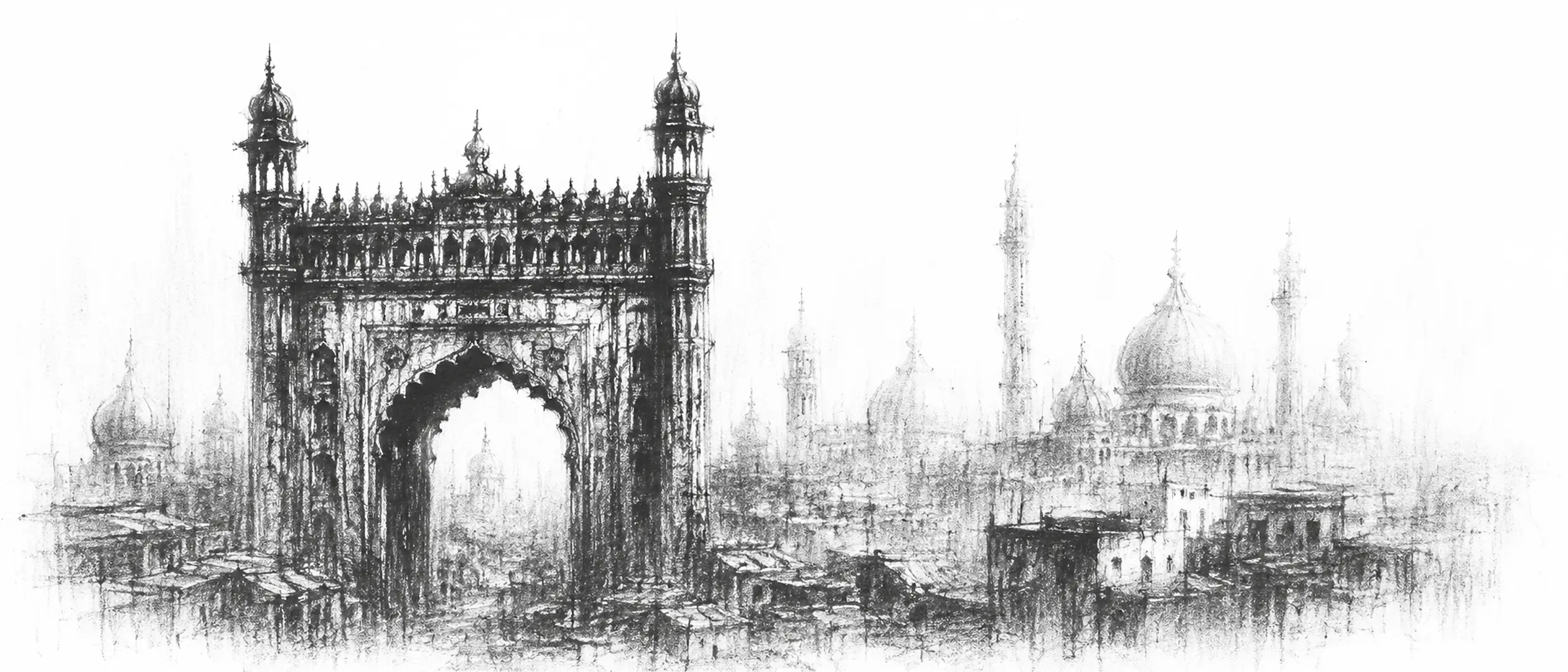
Everywhere on the island, the gateways — tall pointed arches of carved grey stone that look as though a single tower has been split straight down the middle and the two halves drawn apart, so you walk through the gap between them into a courtyard. A doorway that is really a cut, an opening made by separation. I find that quietly beautiful, the idea of entering a sacred place by passing through something that has been deliberately divided, as if you have to go between two halves of a thing to get anywhere worth getting. I would stand in the gap of one for a moment longer than necessary, the carved stone close on either side, before going through.
Floating on its own reflection
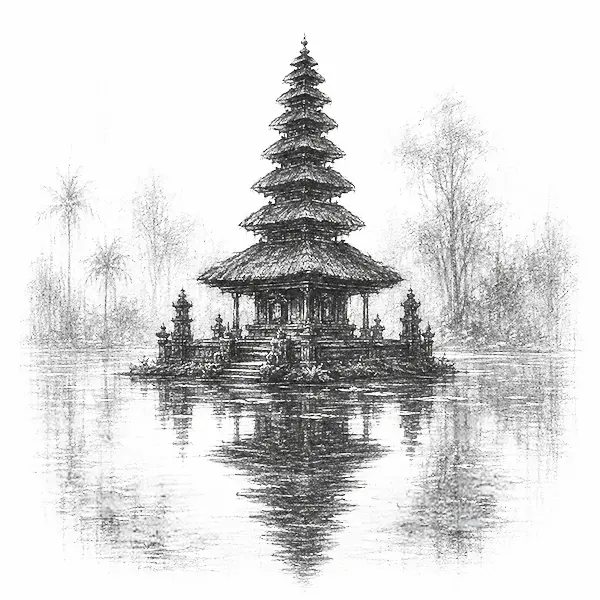
And the water temples — shrines built in and around still pools and springs, dark many-tiered roofs of thatch standing in the water and doubled in it, so the temple seems to float on its own reflection. The faith here is bound up with water, with the springs that feed the terraces and the rice they grow, so the holy places sit where the water rises, and worship and farming run into one another. I love that a religion can be so practical and so lovely at once, that the same pool blesses the gods and waters the fields. I would sit at the edge of one of those pools in the early quiet, before the day’s visitors, and watch a temple stand on its own upside-down twin.
The mountain the whole island faces
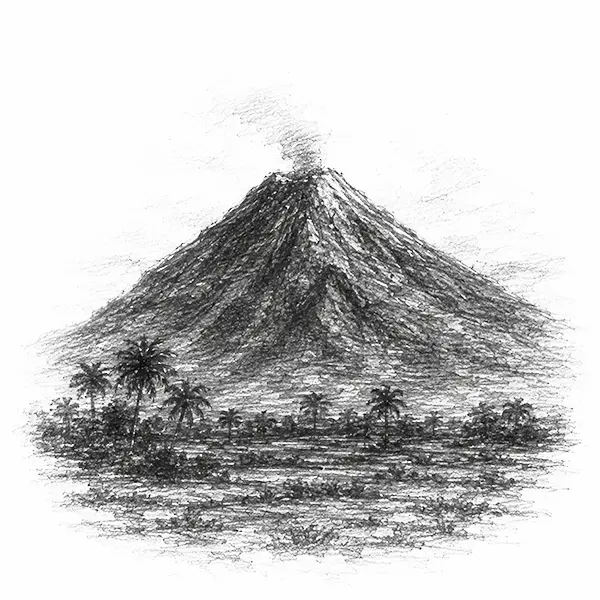
Over all of it stands the volcano — a great dark cone rising at the island’s heart, the thing that made the place, whose ash gives the soil its richness and whose shape the people orient their whole world around, building their temples to face it, reckoning directions by it. A mountain that is at once the danger and the source, the reason the island is so green and the reason it must be respected. I come from flat country; I have never lived in the shadow of a mountain that could decide my fate. The idea of arranging a life, a faith, a set of directions, around a single sleeping peak on the skyline is strange and grand to me, and I would like to wake one morning and find it there.
The smallest devotion, made fresh each morning
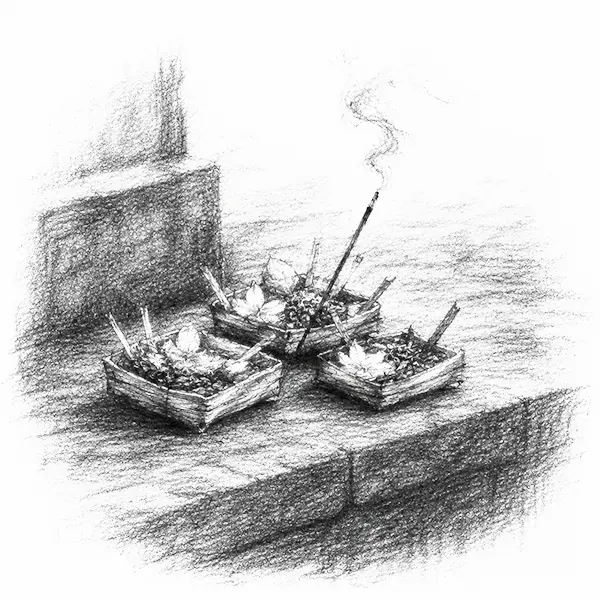
But the thing that moves me most is the smallest — the daily offerings, little trays woven from a strip of palm leaf and filled with a few flowers and a pinch of rice and a smouldering stick of incense, set out on doorsteps and pavements and shrine-ledges every single morning, all over the island, by the million, and left to be walked past, rained on, blown away, made fresh again the next day. Not the grand festival but the ordinary devotion, repeated forever, expecting nothing back. I find that almost unbearably tender — a whole people quietly handing the world a small handmade thing each morning and asking nothing of it. I would learn to step around them on the pavement the way the locals do, without thinking, and count myself improved by the lesson.
Bali, afloat in a vast sea
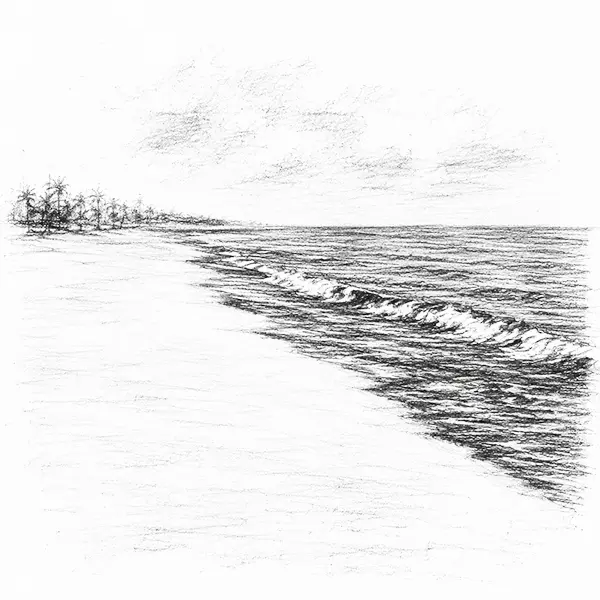
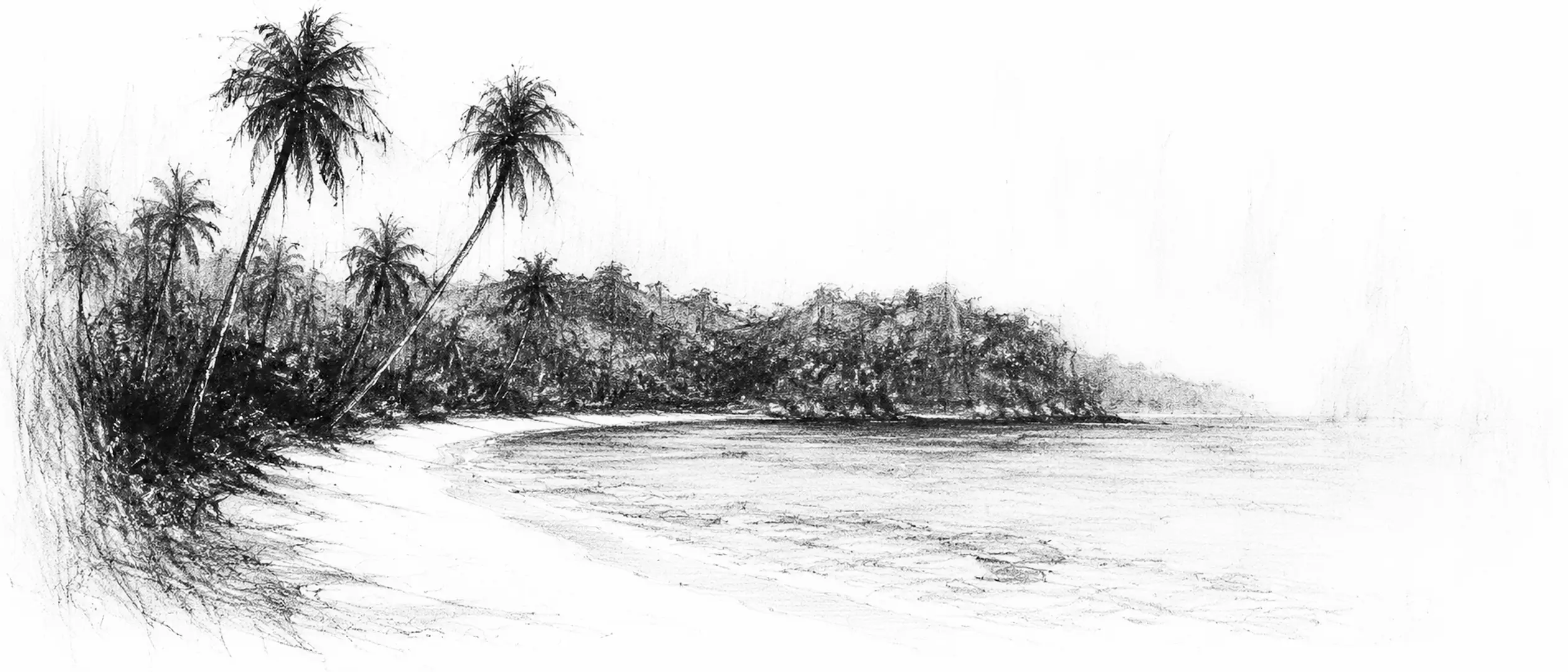
And at the edges, the sea — long beaches of dark volcanic sand where the surf comes in off a vast ocean in clean lines, the same water that made the island a place ships once found by accident and travellers now cross the world to reach. After the green inland and the grey temples, the open horizon and the noise of the waves, the reminder that this small holy island sits alone in an enormous sea. I would stand on the dark sand at the end of a day, with the temples and the terraces behind me and nothing but water in front, and feel how far out into the world this familiar-and-foreign place actually floats.
So Bali takes its place among the far cities, though it is not a city at all — an island that kept my own faith and turned it into something I would not quite recognise, dreamt after from the plains the faith first came from. There is no good reason I have never gone, only the ordinary ones: the long flight, the visa, the fare always spent nearer home, the habit of meaning to and not. It is a green volcanic island where a version of my own religion floats on its own reflection in the rice fields, and I have carried the pictures of it around for years without once stepping over a single offering. One of these years I should make the long way down and across, and stand in a temple that is mine and not mine, and walk out to the shrine on the rock when the tide lets me, and find out what it is to meet your own faith as a stranger. The one island where my own gods went on ahead of me, and still I have never been abroad to follow.
“Bali: a mountainous, volcanic island of Indonesia, and the country’s main stronghold of Hinduism amid a largely Muslim archipelago; known for its terraced rice fields, its many temples, and its elaborate ceremonies and offerings.”
— from a library reference book I renewed until they asked for it back

Leave a Reply